





Beyond the Bulky Cat Tree
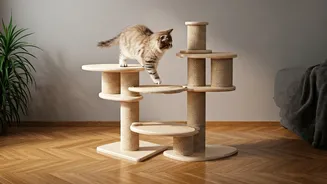
For decades, the solution for an under-stimulated indoor cat was a single, carpet-covered cat tree, often relegated to a corner. While functional, these towers can be bulky, aesthetically challenging, and offer limited variety. Today, a more elegant and expansive
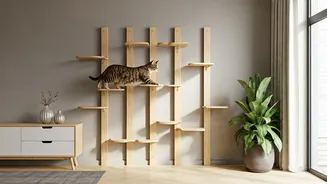
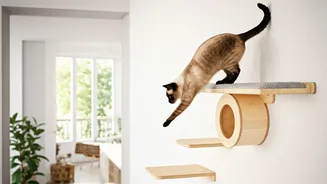
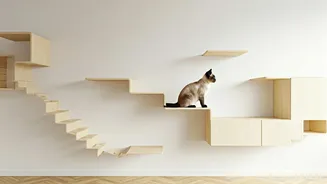
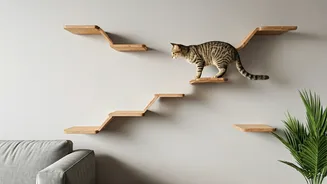
solution is capturing the imagination of pet owners: modular wall furniture. This includes a network of shelves, steps, hammocks, and—the star of the show—suspended wooden bridges. These elements connect to create what feline behaviourists call a “cat superhighway,” allowing cats to navigate a room without ever touching the floor. It’s a sophisticated upgrade that treats the entire wall as a potential playground, moving beyond a single piece of furniture to an integrated environmental enrichment system.
The Urban Pet Predicament
This trend isn't just about style; it's born from necessity. As more people, particularly millennials and Gen Z, choose to live in smaller urban apartments, floor space is at a premium. A traditional, sprawling cat tree can feel like an unwelcome roommate. Vertical furniture cleverly solves this problem by utilizing unused wall space. Apartment cats, unlike their suburban or rural counterparts, often lack safe outdoor access. Their entire world is contained within four walls, making environmental enrichment crucial for their mental and physical health. The rise in pet adoption during the pandemic further accelerated this need, as a new wave of owners became intimately aware of their pets’ lockdown-induced boredom and sought creative ways to improve their quality of life.
Thinking Like a Cat
To understand the appeal of a wall bridge, you have to understand feline psychology. Cats are natural climbers and surveyors. In the wild, high vantage points offer safety from predators and a clear view of potential prey. This instinct doesn't disappear in a domestic setting. Providing vertical space taps directly into this hardwired need, giving cats a sense of security and control over their territory. A cat perched on a high shelf is often a relaxed, confident cat. These aerial pathways also encourage exercise, helping to prevent obesity and related health issues. For multi-cat households, vertical territory is a game-changer, allowing cats to establish their own zones and avoid conflict by creating more space to share.
A Style-Conscious Solution
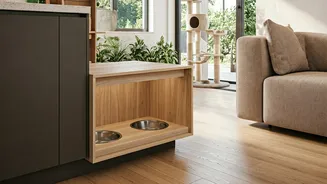
What makes wooden bridges and shelves particularly popular is their aesthetic appeal. Pet owners no longer want to choose between their cat’s happiness and a stylish home. The shift away from shag carpeting toward natural materials like pine, bamboo, and polished plywood reflects a broader trend in interior design that favours minimalist, Scandinavian, and biophilic (nature-inspired) aesthetics. Wood is sturdy, durable, and blends seamlessly with modern furniture. It doesn’t scream “pet product”; instead, it looks like a deliberate, architectural design choice. This allows cat owners to celebrate their pets without sacrificing their personal style, integrating their cat’s needs into the very fabric of their home's decor.
Creating Your Cat's Highway
Ready to build up? Getting started is easier than it looks. You can find complete kits online from specialised pet furniture companies, or go the DIY route if you’re handy. The key is to plan a path that makes sense for your cat. Consider their age and agility—an older cat might need more steps that are closer together. Start small with a few shelves and see how your cat responds before investing in a full-wall installation. Most importantly, ensure every component is securely anchored to the wall, preferably into studs. Safety is paramount. A well-designed vertical space should be a source of confidence, not fear.