
Why is Everyone in Japan Right Now?
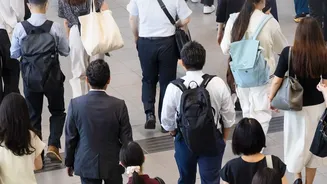
The secret is out. A combination of a weak yen, making travel exceptionally affordable for international visitors, and years of pent-up demand has led to record-breaking tourist numbers. Most travellers stick to the famed 'Golden Route'—Tokyo, Kyoto,
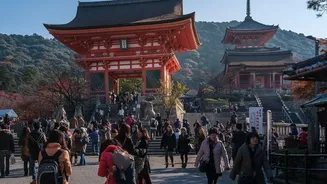
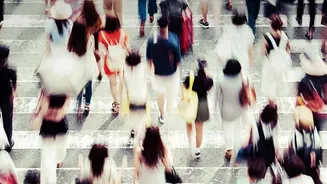
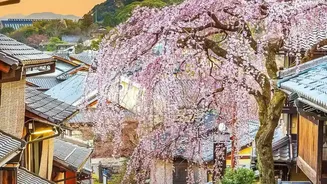
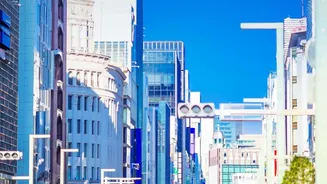
and Osaka—which concentrates the pressure on a few key areas. In cities like Kyoto, this means that world-famous sites such as the Fushimi Inari shrine, Arashiyama Bamboo Grove, and the streets of Gion can feel overwhelmingly crowded, especially between mid-morning and late afternoon. While the problem is real, it's also highly concentrated. The whole country isn't full; just a few very famous postcodes are.
The Art of Strategic Timing
You can still see the famous sights, but you'll need a strategy. The best approach is to zig when everyone else zags. Visit marquee attractions like Kyoto's Fushimi Inari shrine or Kiyomizu-dera Temple at dawn, before the tour buses arrive, or in the late evening after they've departed. Many temples and shrines are open 24/7 and have a completely different, more serene atmosphere in the quiet hours. For ticketed venues, book timed-entry slots far in advance. On travel days, use Japan’s excellent luggage-forwarding services ('takkyubin') to send your bags ahead to your next hotel. This lets you navigate packed train stations and buses with ease, which is a particular issue in Kyoto where public transport is under strain.
Swap Crowded Kyoto for Calmer Kanazawa
Often called 'Little Kyoto', Kanazawa offers much of the same traditional charm with a fraction of the crowds. Located on the coast, it boasts one of Japan's three most beautiful landscape gardens, Kenrokuen, a beautifully preserved samurai district, and geisha teahouse areas that feel more accessible than Kyoto's Gion. Because it's a more compact city, its main attractions are walkable, creating a more relaxed pace. While Kyoto's cuisine is known for its refined vegetables, Kanazawa is a paradise for seafood lovers, with the bustling Omicho Market offering incredible fresh sushi and rice bowls. It's an ideal alternative for travellers who want an authentic cultural experience without the constant congestion.
Explore Beyond the Golden Route
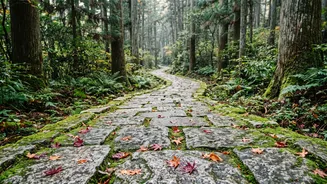
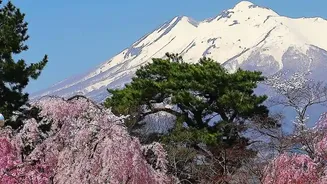
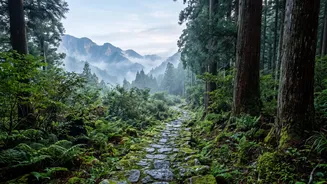
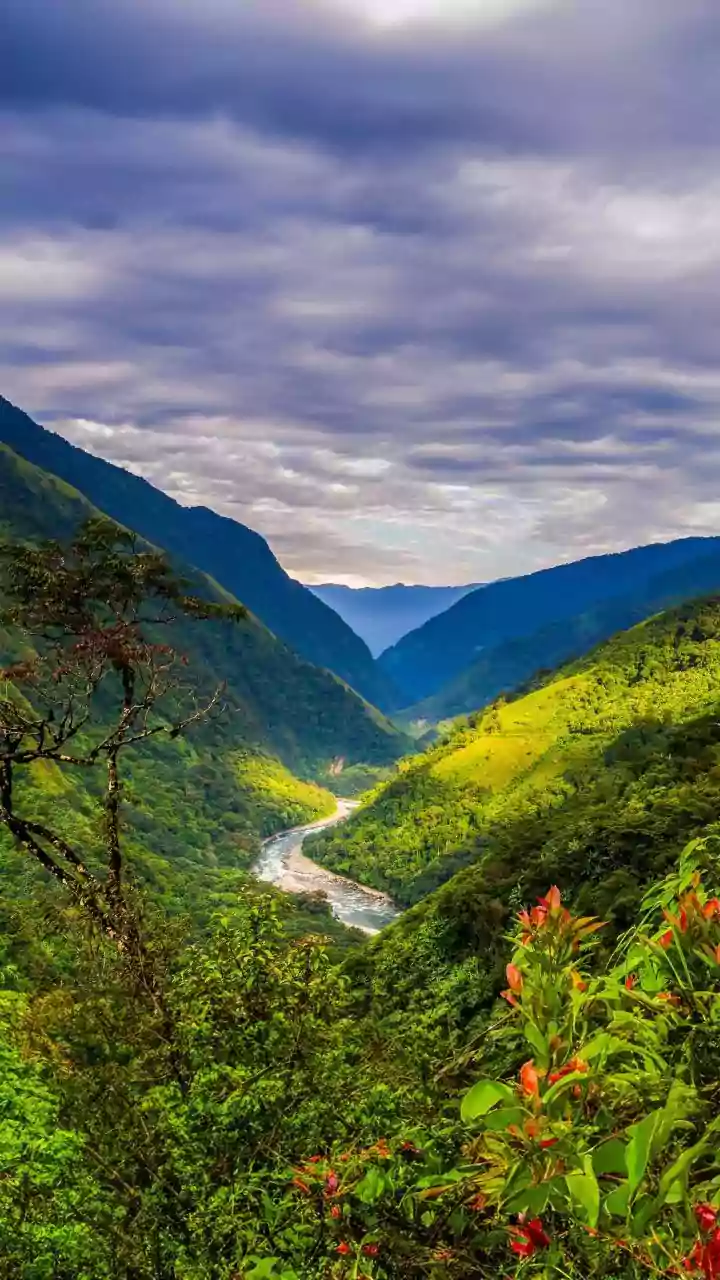
Japan's appeal extends far beyond its three biggest cities. For a different experience, consider heading to other regions. Kyushu, the southernmost of the main islands, offers dramatic volcanic landscapes, rejuvenating 'onsen' (hot spring) towns like Kurokawa, and ancient cedar forests on the island of Yakushima. To the north, Hokkaido is a haven for nature lovers with its vast national parks and world-class skiing. Even closer to the main route, cities like Fukuoka offer a vibrant street food scene, while Okayama is home to Korakuen, another of Japan's top gardens, and serves as a gateway to the art islands of the Seto Inland Sea or the less-visited Shikoku island.
How Japan is Managing the Rush
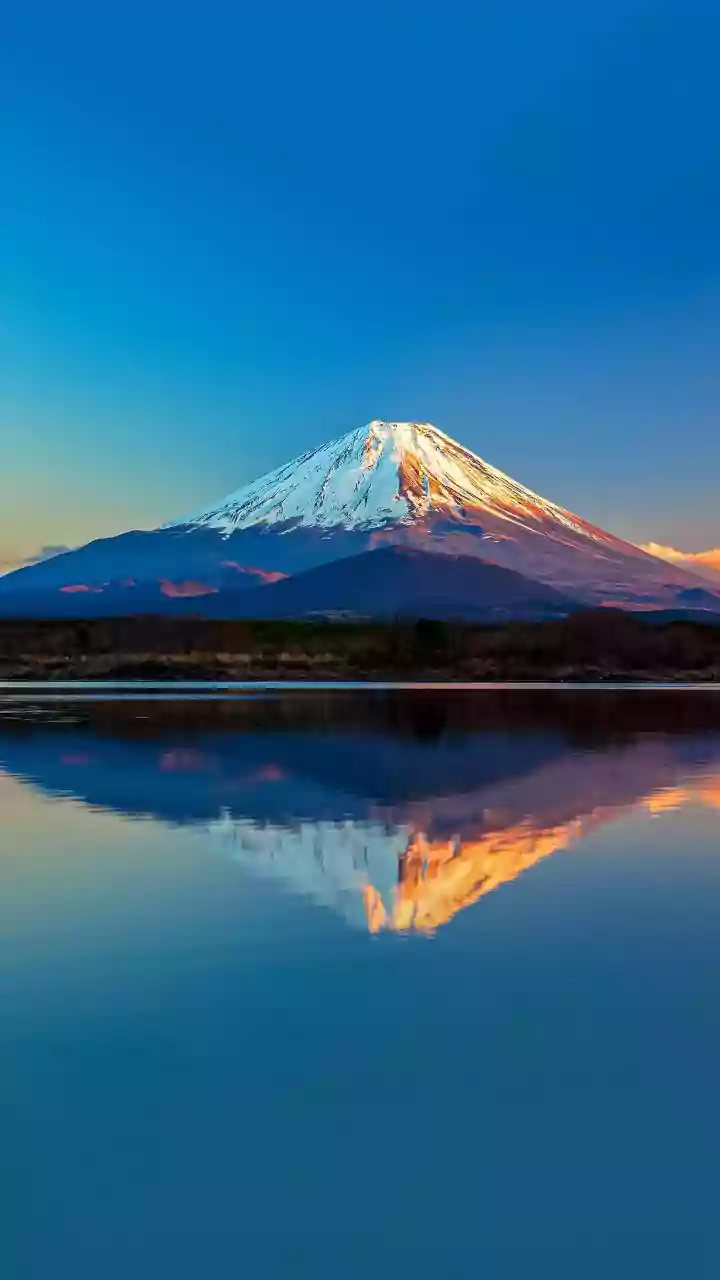
Authorities are aware of the 'tourism pollution' and are implementing measures. These include new rules and a fee for climbing Mount Fuji to prevent dangerous overcrowding, and express buses for tourists in Kyoto to ease pressure on local services. Some municipalities are also introducing dual-pricing systems for attractions or transport, where non-residents pay more. Japan is also actively promoting travel to its lesser-known regions to help distribute visitors more evenly across the country. These changes signal a shift toward more sustainable tourism, aiming to protect both cultural sites and the quality of life for residents.