








The Brain-Gut Connection
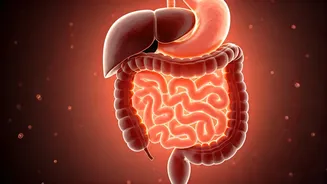
One of the most significant benefits of eating slowly is giving your brain enough time to communicate with your stomach. It takes approximately 20 minutes for hormonal signals to travel from your gut to your brain to register fullness. [2, 6, 10] When
you eat quickly, you can easily consume more food than your body needs before this signal arrives, leading to overeating and that uncomfortable, overly full feeling. [14, 16] Hormones like leptin and cholecystokinin (CCK) play a crucial role in telling your brain you're satisfied. [21] Eating at a more leisurely pace allows this intricate system to work properly, helping you better recognise your body's natural hunger and fullness cues. [1, 10]
The First Step of Digestion
Digestion doesn't start in the stomach; it begins in the mouth. [2] Chewing is the mechanical first step, breaking food into smaller, more manageable particles. [8, 9] This process increases the surface area, allowing digestive enzymes to work more effectively. [8] Furthermore, chewing stimulates the production of saliva, which contains enzymes like amylase that kick-start the breakdown of carbohydrates. [15] When you rush, you tend to take large bites and chew insufficiently, forcing your stomach and intestines to work harder to break down the food. [6, 9] This can lead to indigestion, bloating, and gas. [13, 15]
Reducing Discomfort and Improving Absorption
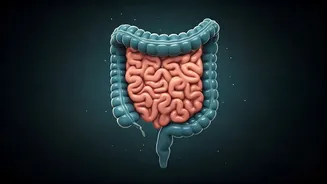
Eating too quickly often means swallowing excess air along with your food, a common culprit behind bloating, burping, and gas. [13, 15] By slowing down, you naturally reduce the amount of air you ingest. [15] A slower pace also aids in the efficient absorption of nutrients. When food is properly broken down through thorough chewing and given adequate time to mix with digestive enzymes, your body can more effectively extract and absorb vitamins, minerals, and other essential nutrients from your meal. [1, 10] Inefficient digestion due to rushing can mean you're not getting the full nutritional benefit from the food you eat. [9]
The Power of Mindful Eating
Slowing down is a core principle of mindful eating, which involves paying full attention to the experience of eating without distraction. [7, 12] This practice helps activate the parasympathetic nervous system, often called the "rest-and-digest" system, which is crucial for optimal digestive function. [5, 8, 11] Conversely, stress and rushing activate the "fight-or-flight" response, which diverts blood flow away from the digestive tract and hinders its processes. [8] By creating a calm, focused environment for your meals—away from screens and other distractions—you support your body's ability to digest food properly. [3, 17]
Practical Tips to Slow Your Pace
Incorporating a slower pace into your meals can feel challenging at first, but small changes can make a big difference. Try putting your utensils down between each bite to create a natural pause. [1, 17] Aim to chew each mouthful a specific number of times, such as 20 to 30 times, to ensure food is well-broken down. [7, 10] Drinking water during your meal can also help you slow down and aid digestion. [18] Remove distractions like your phone or the TV, and focus on the flavours and textures of your food. [3, 17] If possible, try to allocate at least 20-30 minutes for each meal to give your digestive system the time it needs. [1]