




The Problem with Ponytails
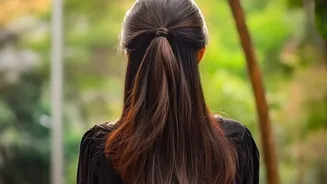
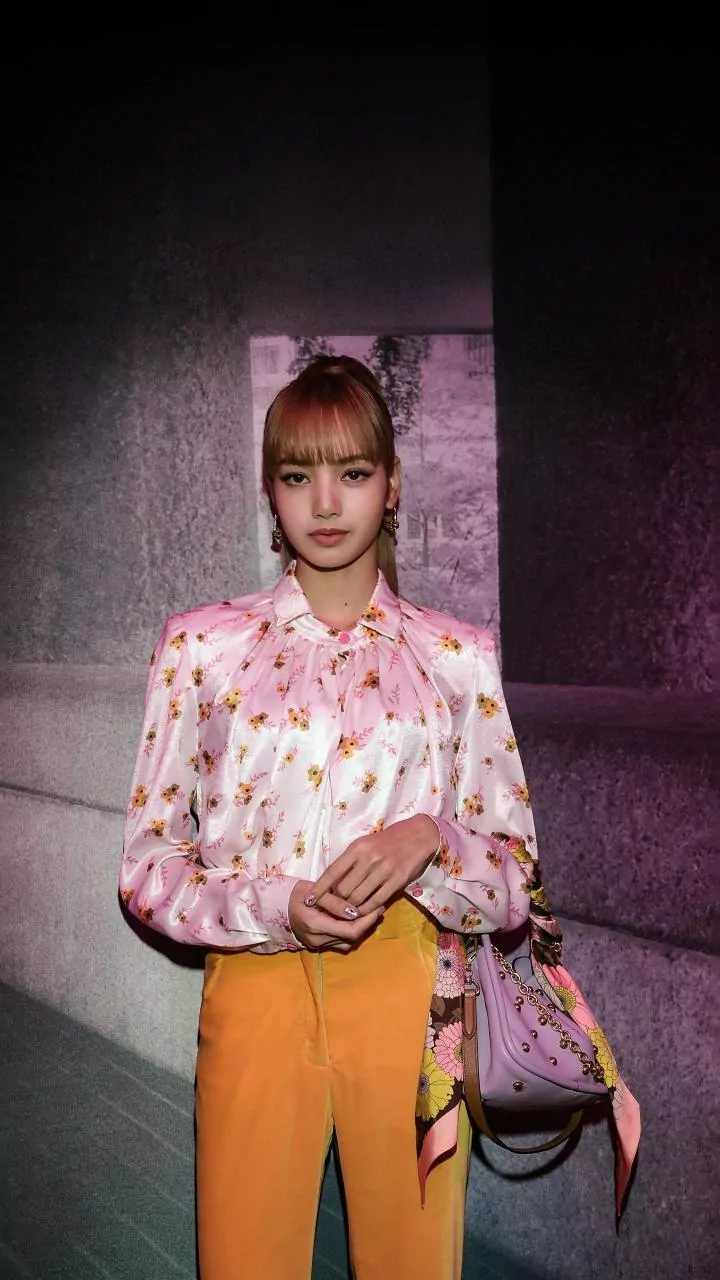
A tight, high ponytail can feel like a mini-facelift, but the constant tension is a recipe for discomfort and damage. This persistent pulling on hair follicles can lead to tension headaches, where the scalp itself feels sore to the touch. Over time, this
strain can cause a type of hair loss called traction alopecia, where hair becomes thinner and breaks around the hairline and the spot where the tie sits. The issue is compounded by traditional elastic ties, especially those with metal clasps, which can snag and rip out strands when you remove them. Even pulling a tie out too quickly can cause unnecessary breakage. The goal is to secure your hair without putting stress on the roots or the strands themselves.
Choose Your Hair Tie Wisely
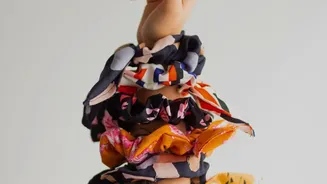
The single best thing you can do for your hair is to ditch harsh elastics. The market is now full of hair-friendly alternatives designed to minimize friction and pressure. Silk and satin scrunchies are a top choice among hairstylists because their smooth surface allows them to glide over the hair without snagging. This makes them excellent for preventing frizz and breakage. Spiral or 'telephone cord' ties are another popular option. Their unique shape distributes pressure more evenly, reducing the risk of ponytail headaches and the dreaded post-ponytail crease. For very thick or heavy hair, wider fabric bands or even modern buckle scrunchies that unsnap for removal can provide a secure hold without the damaging tension of a traditional elastic. Avoid rubber bands or elastics with metal fasteners at all costs, as these are the biggest culprits for hair damage.
Mastering Comfortable Hairstyles
Beyond the hair tie itself, how you style your hair plays a huge role in comfort. One simple trick is to vary the placement of your ponytail; don't wear it in the exact same spot every day. This gives the hair follicles in that area a much-needed break. For those with heavy hair, high ponytails and buns can put a lot of strain on the scalp. Opting for a low bun or a ponytail at the nape of your neck allows the weight of your hair to rest against your head and neck, rather than hanging from your scalp. Braids are another excellent option, as they distribute weight and tension evenly down the length of the hair. A loose French braid or a simple three-strand braid secured with a soft tie can keep hair contained all day without pulling. When creating buns, avoid twisting the hair too tightly before securing it. Instead, use hair pins like spin pins or U-pins to anchor the style in place, which provides hold without the tension of an elastic.
Give Your Hair a Break
Even with the best ties and techniques, it's crucial to give your hair and scalp a rest. Try to incorporate 'down days' where you wear your hair loose. At night, sleeping with your hair in a tight bun or ponytail can cause significant friction and breakage. Instead, opt for a loose braid or a high, loose bun on top of your head (often called a 'pineapple'), secured with a silk scrunchie. This prevents tangling and keeps hair from getting caught and pulled as you move in your sleep. It's also wise to avoid tying up your hair when it's wet. Wet hair is more elastic and fragile, making it much more susceptible to breaking when stretched into a ponytail. Let it air-dry or give it a quick blow-dry before styling.