
What to Look For: Planets and Satellites
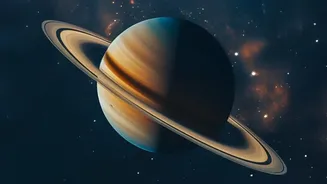
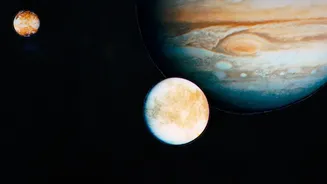
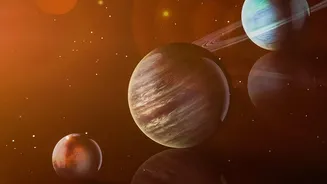
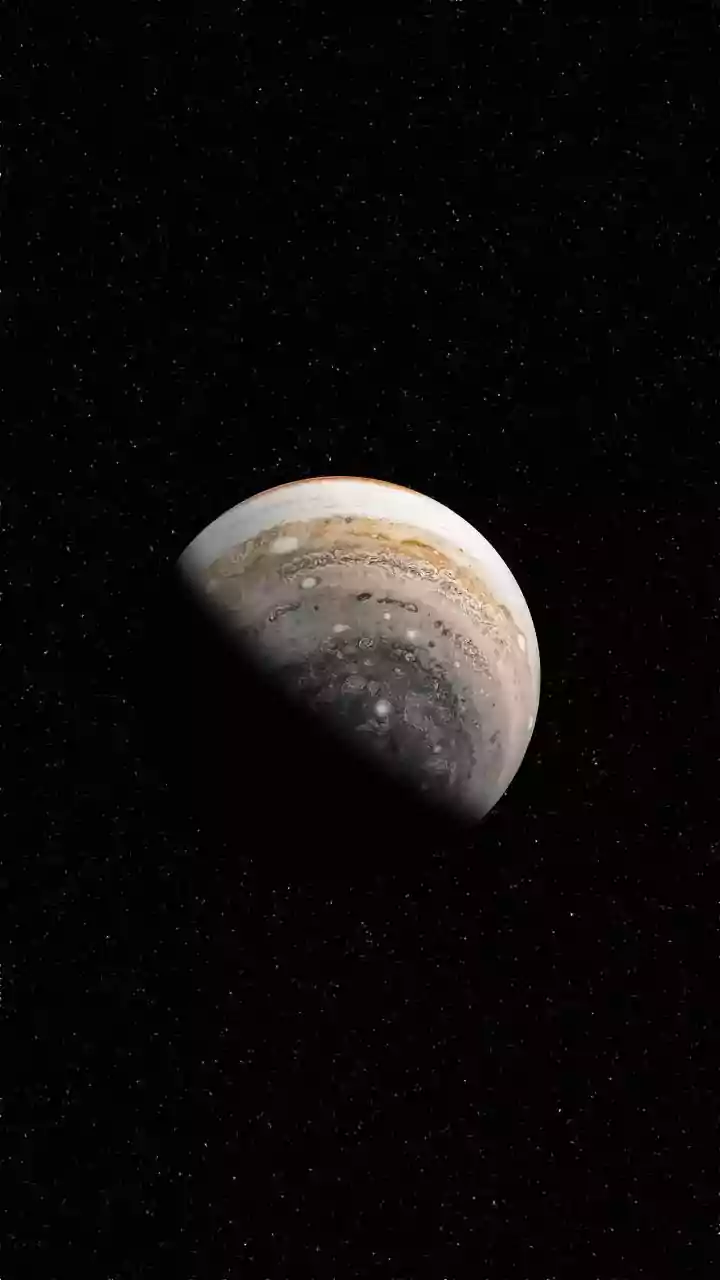
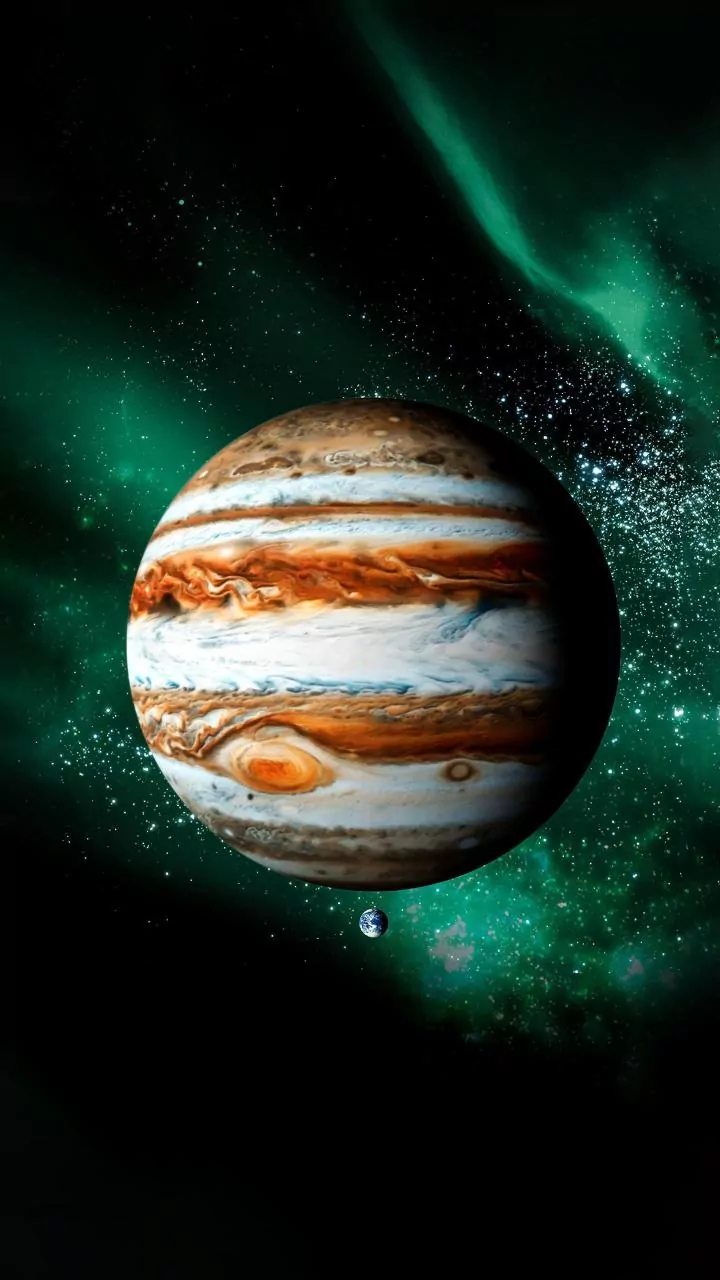
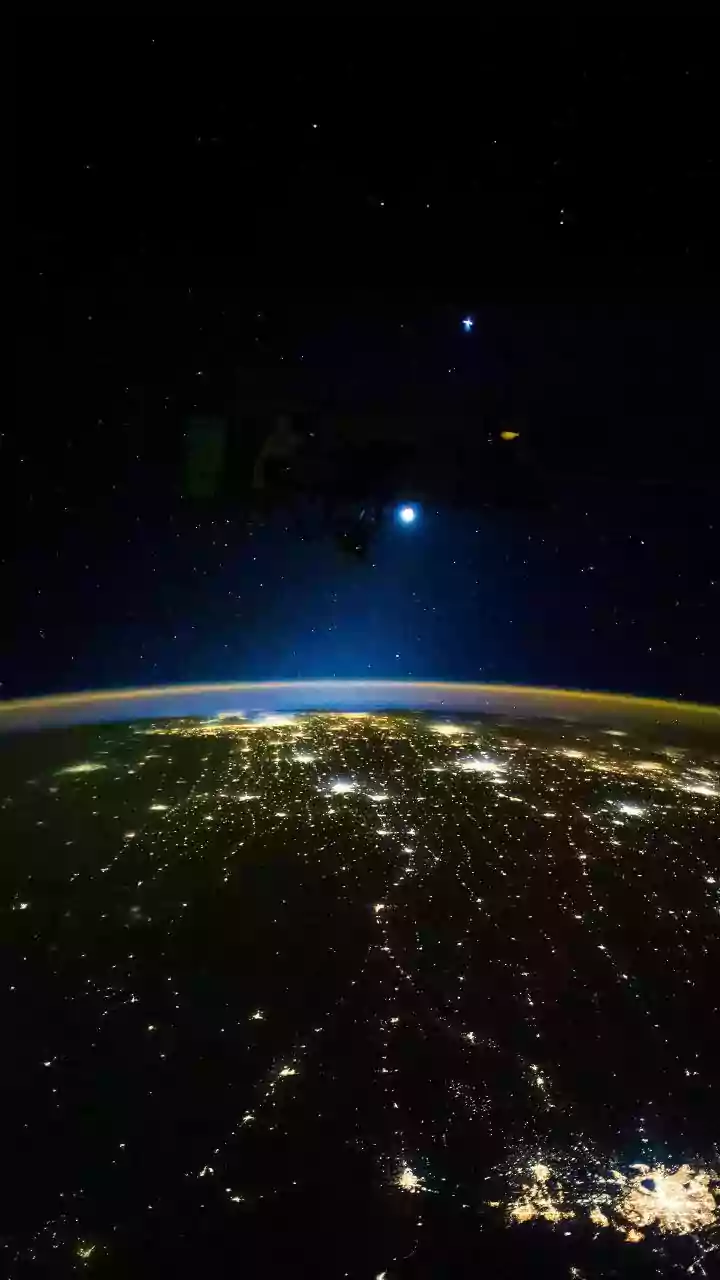
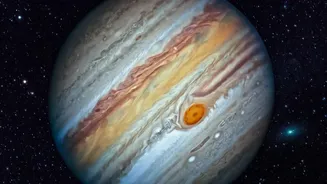
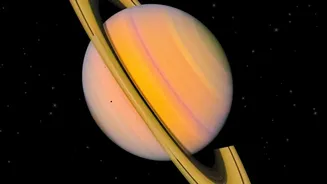
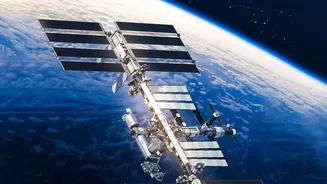
Two of the most rewarding sights for a budding skywatcher are planetary alignments and passes of the International Space Station (ISS). A planetary alignment, often called a planet parade, occurs when several planets appear close together in a small section
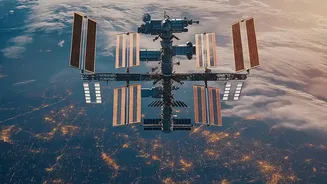
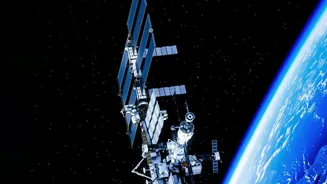
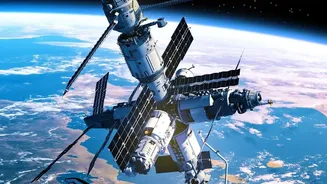
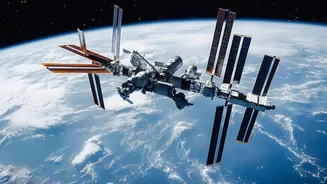
of the sky from our perspective on Earth. While they aren't actually lined up in space, they create a beautiful spectacle. The next notable alignment will be in November 2026, when four planets will be visible. The ISS, a football-field-sized orbiting laboratory, is also surprisingly easy to spot. It looks like a bright, steady star moving silently and swiftly across the night sky. Unlike a plane, it doesn’t blink. Knowing when and where to look is key, and that’s where technology lends a hand.
For the All-in-One Experience: Star Walk 2
Considered one of the best apps for beginners, Star Walk 2 offers a rich, user-friendly experience. Its main feature is an augmented reality (AR) overlay; just point your phone at the sky, and the app will identify the stars, constellations, planets, and satellites in your view. It has a 'Time Machine' feature that lets you see the sky on different dates and times, which is perfect for planning ahead to catch an event. The free version is robust, with an affordable upgrade to unlock more features, including dedicated satellite tracking and enhanced planetary information.
For Identifying Everything: SkyView Lite
SkyView Lite is another fantastic free option that uses AR to help you navigate the cosmos. A huge advantage for those who like to get away from it all is that it works without a Wi-Fi or GPS signal, making it perfect for trips to darker, more remote locations. You can set reminders for celestial events so you don't miss a thing. The app makes it simple to identify objects by overlaying their names and trajectories onto your camera's view of the sky, taking the guesswork out of stargazing.
For Dedicated ISS Tracking: NASA's Spot The Station
While many general astronomy apps can track the ISS, NASA's official Spot The Station app is specifically designed for it. It provides precise predictions for when the space station will be visible from your exact location. The app sends push notifications to give you a heads-up before a pass, detailing its duration, maximum height, and where it will appear and disappear in your sky. It also features a real-time tracker map and an AR compass to help you orient yourself correctly. For anyone whose main goal is to wave at the astronauts overhead, this is the most direct tool for the job.
For Planning and Realism: Stellarium Mobile
Stellarium is a favourite among both beginners and serious amateurs for its realistic and detailed sky map. The free version is incredibly powerful, offering a huge catalogue of stars and deep-sky objects. Like others, it has a point-to-identify function, but its strength lies in its accurate simulation of the sky from any location and at any time. This makes it an excellent tool for planning what you want to see before you even step outside. It helps you understand what constellations will be visible and where to find planets like Venus, which will be brilliantly bright in the evening sky through September 2026.
Tips for Your First Skywatching Session
To make the most of your new apps, follow a few simple guidelines. First, escape city lights if you can. Light pollution washes out fainter stars and makes spotting objects more difficult. Second, give your eyes time to adjust to the darkness—it can take about 20-30 minutes for them to become fully sensitive to low light. Avoid looking at your bright phone screen; most stargazing apps have a red-light night mode that preserves your night vision. Finally, check the weather forecast before you go. A clear sky is a stargazer's best friend.