





Your New Digital Sous-Chef
Forget the futuristic image of robot chefs. The current role of AI in Indian kitchens is far more subtle and practical. It lives in apps and chatbots, acting as an intelligent sous-chef for the home cook. Unlike a static recipe book or a standard search
engine that just finds existing recipes, generative AI can create, adapt, and personalise them. For instance, AI-powered apps like Slurrp, Kitchen Saathi, or even general-purpose tools like ChatGPT can generate a recipe from scratch based on a user's specific needs, dietary restrictions, or available ingredients. This shift represents a move from simply finding information to co-creating a meal, giving cooks more confidence and reducing the mental load of daily planning.
The Ultimate Pantry Challenge
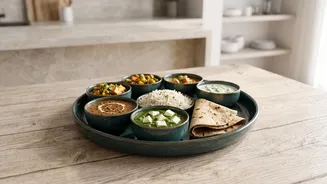
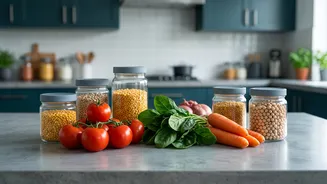
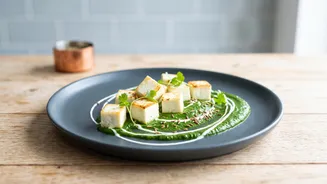
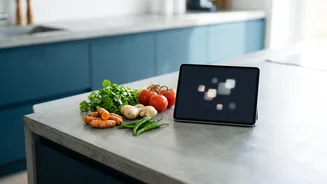
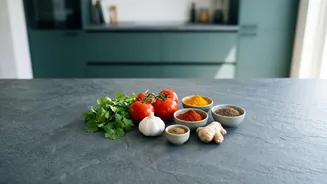
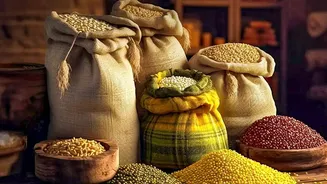
One of the most popular uses for this technology is solving the “what to cook with what I have” puzzle. Many AI tools allow users to input a list of ingredients available in their pantry or fridge—say, paneer, spinach, and some leftover rice—and instantly receive recipe suggestions. This functionality is not just about convenience; it is a powerful tool for reducing food waste, a significant concern in many households. By providing creative ways to use up what's on hand, AI helps home cooks manage their inventory better and save money. This feature is particularly useful in the Indian context, where meals often involve multiple components and leftover ingredients are common.
Modern Twists on Traditional Tastes
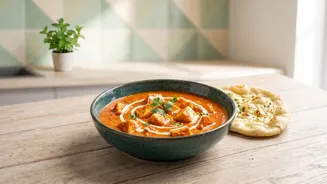
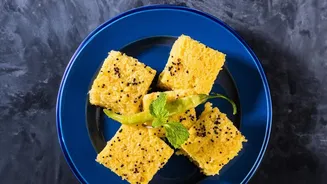
Generative AI is also becoming a bridge between tradition and modern health-conscious lifestyles. It can take a classic, time-honoured Indian recipe and suggest modifications to make it healthier—for example, by reducing oil, suggesting baked alternatives to fried items, or substituting ingredients for a gluten-free or low-carb version. This allows families to enjoy the flavours they love while adhering to specific dietary needs like diabetes-friendly or high-protein diets. Furthermore, AI can introduce users to lesser-known regional cuisines, helping to preserve and share India's immense culinary diversity by making complex recipes more accessible to novice cooks.
A Quiet Debate on Authenticity
The growing use of AI in the kitchen has sparked a quiet debate: does it threaten the authenticity of recipes passed down through generations? Some worry that relying on an algorithm could dilute the intuitive, hands-on knowledge that is the hallmark of traditional Indian cooking. The 'andaaz' (intuitive estimation) of a grandmother is hard for an algorithm to replicate. However, many see it not as a replacement but as a supplement. Celebrity chef Kunal Kapur has noted that AI can help skilled regional chefs articulate their recipes and ideas better, acting as a communication tool. The consensus seems to be that the human touch—the ability to taste, feel, and adapt—remains irreplaceable.
The Rise of Smarter Kitchens
Beyond recipe apps, AI is slowly being integrated into kitchen hardware itself. Companies like Samsung and LG are launching smart appliances in India, from refrigerators that can track inventory to ovens with presets for Indian dishes. The Indian market for these smart appliances is growing rapidly, driven by younger, tech-savvy consumers. These devices can automate complex tasks, monitor cooking times and temperatures, and streamline meal preparation for dishes like biryanis and curries. While still a premium segment, the trend indicates a future where the kitchen environment becomes more connected and responsive to the cook's needs.