




Prioritise a Fabric First Strategy
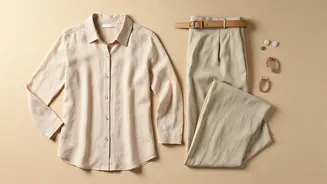
The foundation of a lasting monsoon look is the right material. High humidity and rain demand fabrics that are lightweight, breathable, and, most importantly, quick-drying. Natural fibres like fine cotton and cotton-linen blends are excellent choices
as they allow air to circulate, keeping you comfortable in the sticky heat. However, pure, heavy cotton can absorb a lot of water and take hours to dry. Synthetic blends like rayon, crepe, and georgette are fantastic alternatives. Rayon is breathable and dries quickly, crepe holds its shape without becoming translucent when damp, and georgette floats away from the body, preventing that dreaded clingy feeling. Fabrics to avoid are heavy denim, pure silk which can get water spots, and thick materials that become heavy and take forever to dry.
Rethink Your Silhouettes and Hemlines
Long, trailing garments are a recipe for disaster on wet streets. This season, shorter hemlines are your best friend. Swap out floor-length skirts and long trousers for chic midi dresses, knee-length skirts, and tailored culottes. These styles prevent your clothes from dragging through puddles and getting splattered with mud. For Indian wear, short kurtis paired with slim-fit cigarette pants or churidars are a practical and polished choice, replacing flowing salwars or palazzos. A-line and straight-fit kurtis are also preferable as they don't flare out in strong winds. The key is to choose silhouettes that offer freedom of movement while keeping your outfit clean and dry.
Embrace Shorter, Smarter Bottoms
Full-length trousers are a definite no-go during the monsoon. Instead, opt for cropped pants, ankle-length trousers, or culottes. Culottes, in particular, are an excellent office-appropriate alternative to a midi skirt, offering the comfort of pants with a breezy, skirt-like volume. They are comfortable for long commutes and prevent any thigh chafing in the humidity. Pairing them with a more fitted or tucked-in top helps to balance the volume and create a defined, professional silhouette. Darker shades in these styles are also a wise choice, as they are more forgiving of the inevitable mud splashes and water marks.
Choose Your Footwear Wisely
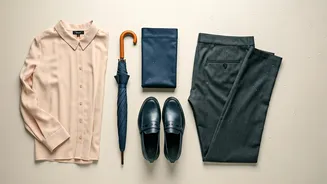
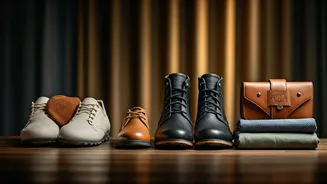
Leather and suede shoes are the first casualties of the monsoon; they soak up water, take ages to dry, and can be permanently damaged. Instead, invest in stylish and practical waterproof footwear. Rubber-soled flats, jelly shoes, stylish floaters, and wedges are all excellent options that provide good grip on slippery surfaces and are easy to clean. Avoid loose-fitting sandals that can squirt mud onto the back of your clothes. Many brands now offer chic waterproof loafers and slip-ons that look professional enough for the office but can handle a sudden downpour without getting ruined.
Fight the Gloom with Colour and Prints
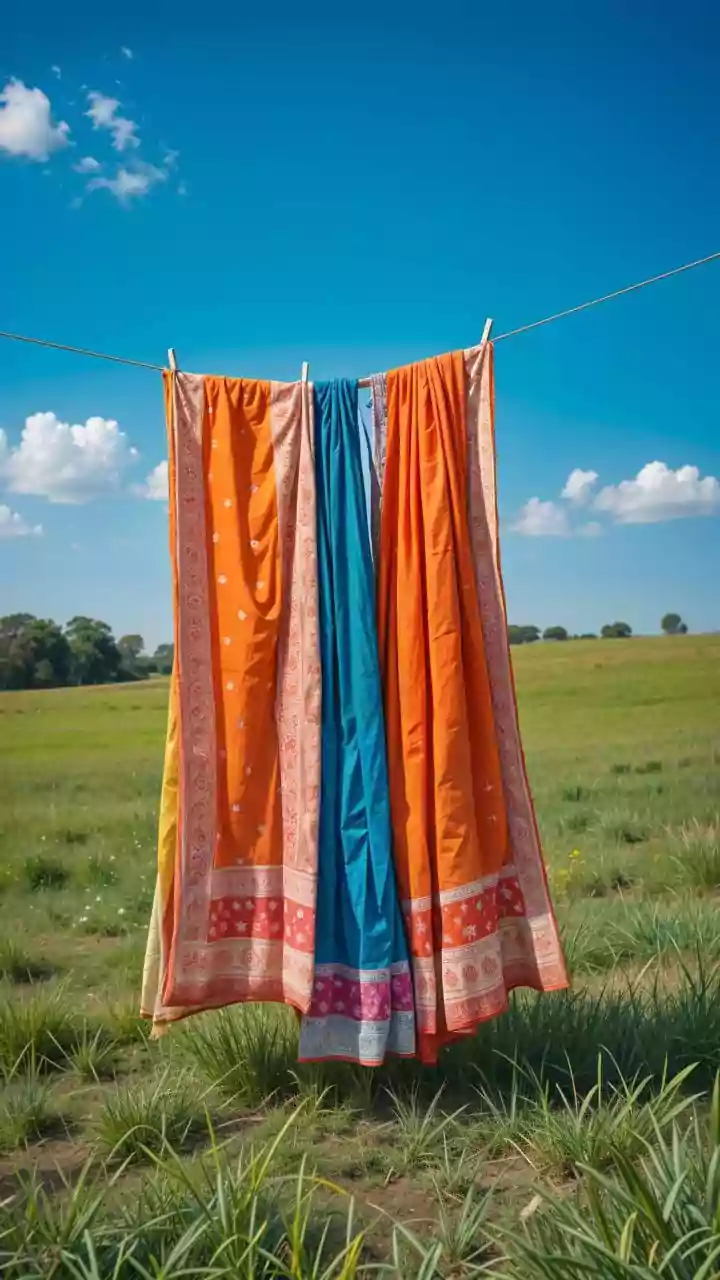
While dark colours like navy, olive, and grey are practical for hiding stains, don't be afraid to counter the gloomy weather with pops of vibrant colour. Jewel tones such as cobalt blue, coral, and deep yellow look especially striking against an overcast sky. Bold, cheerful prints can also elevate your mood and your look. If you prefer Indian wear, handblock prints in rich colours like indigo and maroon are a great way to stand out. However, it's best to avoid all-white or very pale pastels, as they will show every single splash and stain from the commute.
Accessorise for the Elements
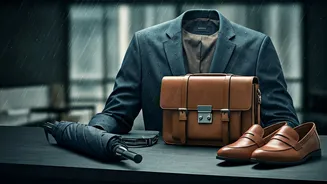
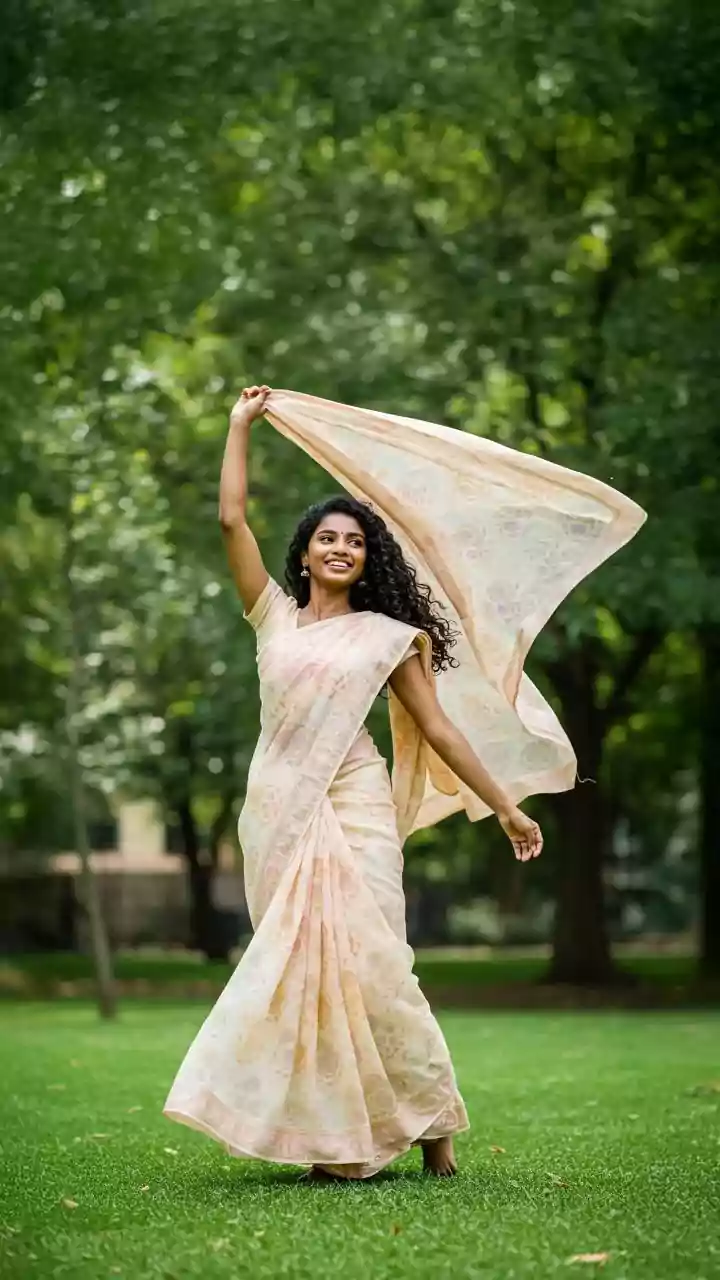
Your accessories can make or break your monsoon office look. Swap your leather handbag for a stylish waterproof tote that can protect your laptop and other essentials. When it comes to jewellery, keep it minimal. Heavy, oxidized pieces can react to the moisture in the air. For Indian outfits, consider replacing long, unmanageable dupattas with shorter, chic stoles or scarves. And of course, a sturdy, stylish umbrella is your most important accessory. You can even coordinate its colour with your outfit for a more put-together look.