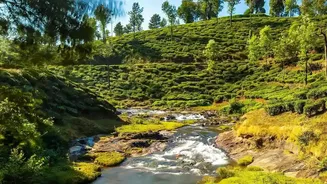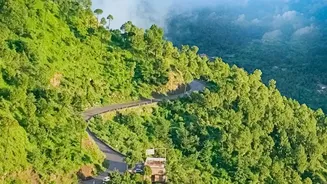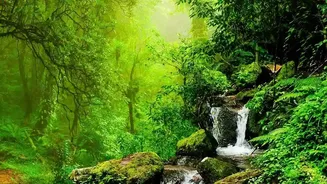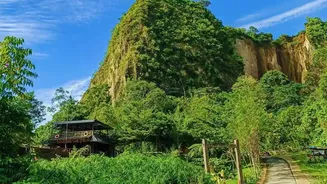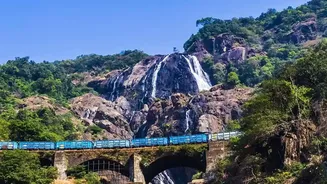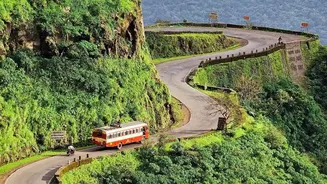


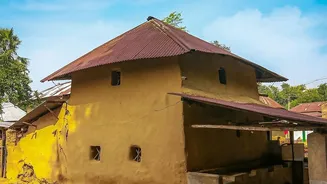
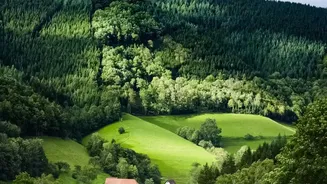
As the monsoon recedes, it leaves behind a transformed Chhattisgarh. From October to March, the state’s dense forests and tribal heartlands come alive, offering crisp air, lush landscapes, and the perfect window for exploration.
The Golden Window for Travellers
The period between October
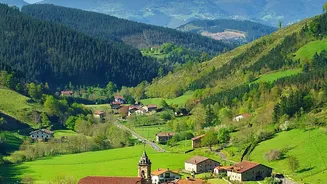
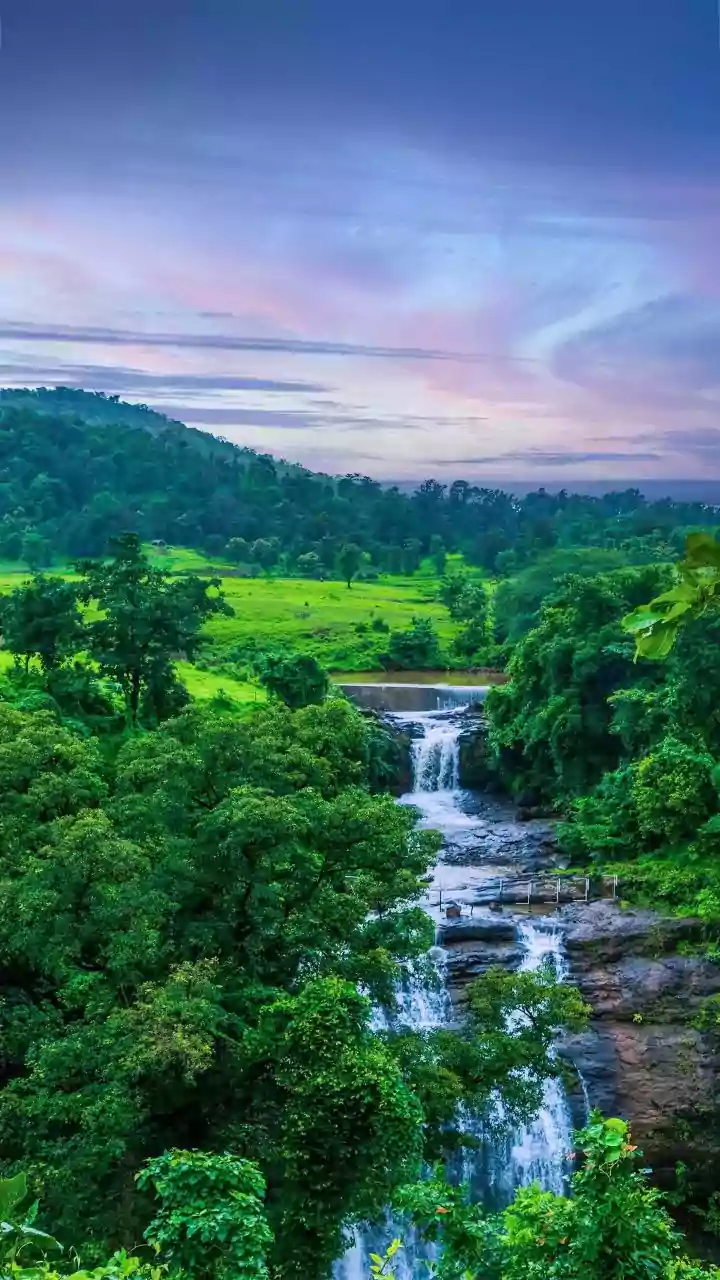
and March is widely regarded as the best time to visit Chhattisgarh for a reason. After the heavy monsoon rains from July to September, the landscape is rejuvenated, bursting with vibrant greenery. The weather turns pleasantly cool and dry, with temperatures typically ranging from a comfortable 10°C to 25°C. This mild climate is ideal for all kinds of outdoor activities, from wildlife safaris and trekking to exploring ancient temples and caves without the oppressive heat of summer or the travel disruptions of the monsoon. The clear skies and reduced humidity make for comfortable days of sightseeing and cool, enjoyable evenings. It’s a season of celebration, too, with important tribal festivals like Madai and Bastar Dussehra often taking place during these months.
Barnawapara: An Accessible Wilderness
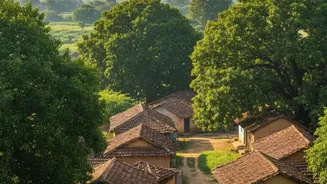
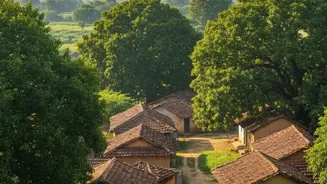
Just a few hours from Raipur, the Barnawapara Wildlife Sanctuary offers an excellent introduction to the state's natural treasures. Its safari routes, which are best explored from November to June, wind through tropical dry deciduous forests of sal and teak. The pleasant winter weather makes morning and evening jeep safaris particularly rewarding. This sanctuary is known for its high density of leopards, though sloth bears, Indian gaur (bison), and four-horned antelopes are also frequently spotted. With the forest canopy thinner during these months, visibility for wildlife sightings improves significantly. Beyond the safaris, visitors can explore the surrounding forest villages, gaining insight into the local way of life and perhaps purchasing handicrafts directly from artisans.
Achanakmar: The Heart of the Maikal Hills
Nestled in the Maikal Range, the Achanakmar Tiger Reserve is a paradise for serious wildlife enthusiasts. As part of a larger biosphere reserve, it boasts incredible biodiversity, including tigers, leopards, wild dogs, and over 150 species of birds. The ideal time to visit is from November to June, when the weather is clear and animal activity is high, especially around water sources. The cool, dry conditions are perfect for jeep safaris and guided nature walks, allowing for immersive experiences in the dense sal and bamboo forests. The reserve is also home to Baiga and Gond tribal communities, and responsible tourism initiatives offer a chance to learn about their culture and deep connection to the forest.
Indravati's Grand Reopening
In a major development for tourism in the state, the Indravati Tiger Reserve in the Bastar region is set to welcome visitors from November 2026 after being closed for nearly four decades. Previously inaccessible due to security concerns, improved conditions have allowed for the reintroduction of phased and regulated eco-tourism. This vast reserve is one of central India's most significant habitats for the endangered wild water buffalo and also shelters tigers, leopards, and sloth bears. The reopening marks a new chapter, promising visitors a chance to explore a wilderness that has been largely untouched by tourism for a generation, with a focus on sustainable practices that involve local tribal communities as guides and hosts.
Beyond the Sanctuaries: Tribal Culture and Natural Wonders
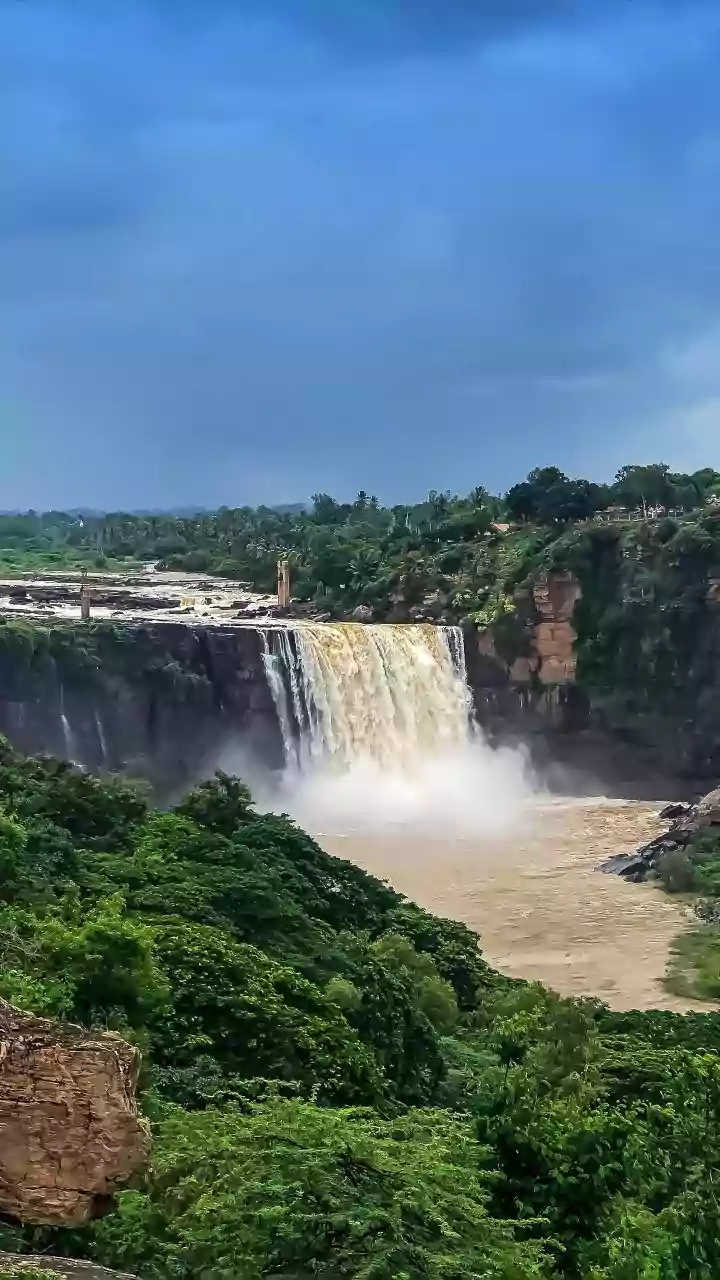
The pleasant weather from October to March is also perfect for exploring the wider Bastar region, the cultural heartland of Chhattisgarh. This is the ideal time to visit the spectacular Chitrakote Falls, often called the 'Niagara of India', when the water flow is still impressive post-monsoon but the skies are clear. The cool temperatures make it comfortable to visit the weekly 'haats' (markets) in villages near Jagdalpur, where you can see the vibrant life of the Gond, Muria, and Maria tribes and shop for their unique handicrafts like bell metal (dokra) art. It's also the season when the famous limestone caves of Kanger Valley National Park, such as Kutumsar and Kailash, reopen to the public.