
The Urban Shift: Big Faith in Small Spaces
The nine nights of Navratri have always been a time for vibrant, community-focused celebration. Traditionally, this meant large, elaborate decorations, sprawling rangolis, and multi-tiered ‘golu’ displays in spacious ancestral homes. However, as more
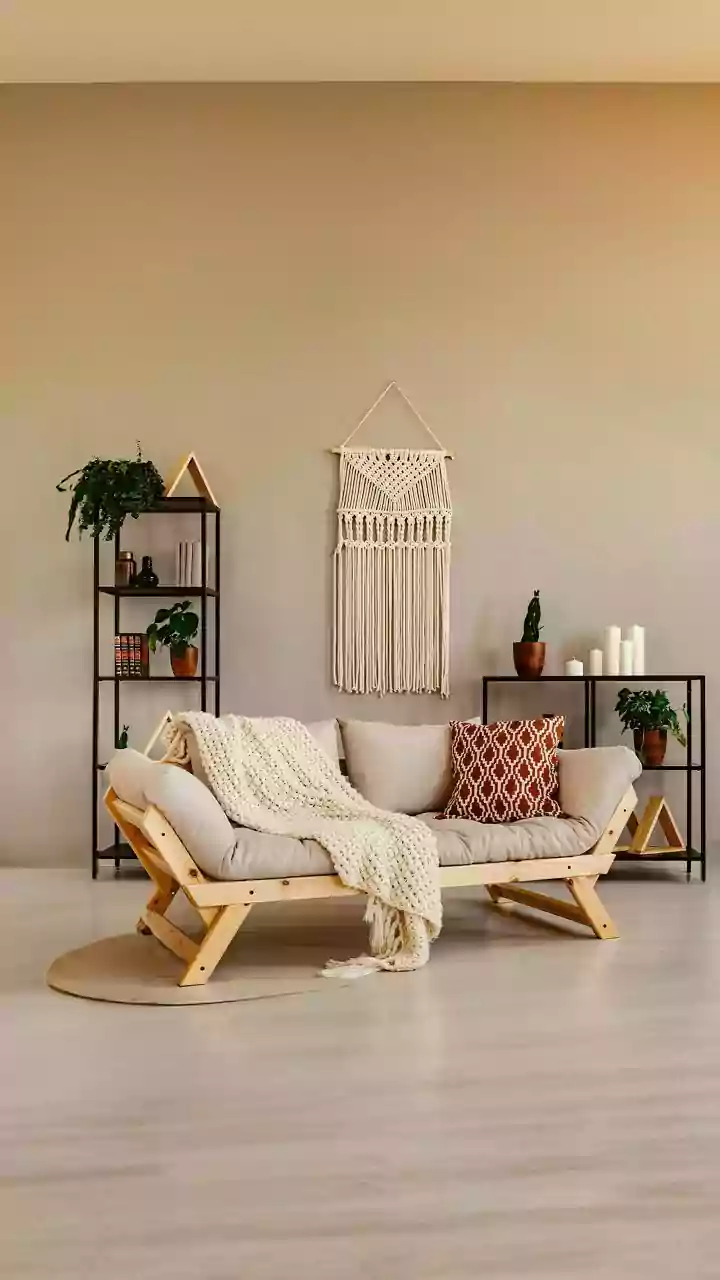
Indians move into apartments in bustling cities, the canvas for these celebrations has shrunk. This has sparked a wave of creativity, with devotees finding ingenious ways to honour tradition within the constraints of a 2BHK or 3BHK flat. The trend is less about downsizing devotion and more about smart-sizing the expression of it. It’s a move towards decor that is compact, multi-functional, and often, more personal and sustainable.
The Modern Mandir: Vertical and Versatile
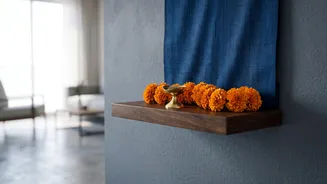
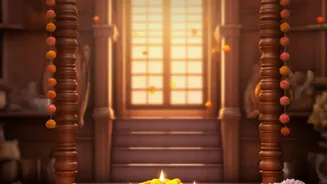
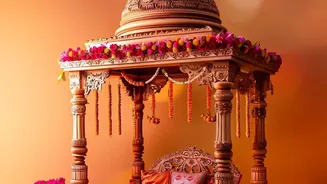
The heart of Navratri celebrations at home is the puja corner. In apartments where a separate puja room is a luxury, the modern mandir has evolved. Wall-mounted units are a popular choice, lifting the sacred space off the floor and creating a clean, floating aesthetic. These often come with small drawers for storage and even backlighting to create a divine glow. Corner units are another brilliant solution, transforming an often-neglected space into a focal point for prayer. For those in rental homes where drilling isn't an option, compact floor-standing mandirs, often with elegant 'jaali' partitions, help delineate the sacred area from the rest of the living room without permanent changes.
Golu Gets Creative: Tiered Displays for Tight Corners
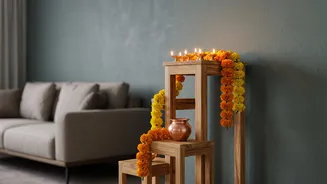
The beautiful tradition of displaying dolls, known as Golu or Bommai Kolu, presents a unique spatial challenge. Where once wide, custom-built steps filled a room, today's solutions are more adaptable. People are using bookshelves, side tables, and even stackable wooden crates or cardboard boxes covered in festive fabric to create their displays. These DIY steps can be customized to fit any nook or cranny, making them ideal for smaller homes. Some are even designing unique stands that double as storage cupboards, a functional blend of devotion and design. The focus is on creating a beautiful arrangement, even if it's a more modest three-tiered setup, proving the spirit of the tradition remains intact.
Sustainable & DIY: A Personal Touch
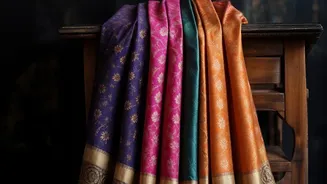
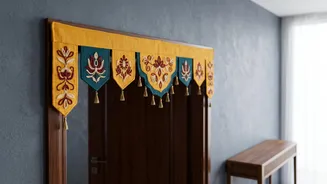
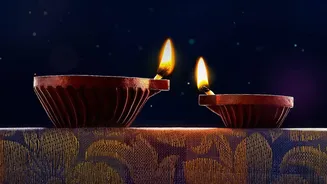
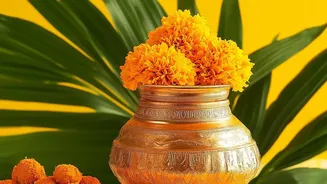
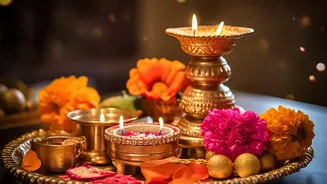
The shift to smaller spaces has also encouraged a move towards more conscious and do-it-yourself (DIY) decorations. Instead of single-use plastics, there is a growing preference for eco-friendly materials. Old silk sarees and dupattas are being repurposed as vibrant backdrops or table runners. Clay diyas, brass lamps, and torans made from natural materials like shola wood, jute, or bamboo are finding favour. This approach is not just environmentally friendly but also deeply personal. Handmade paper garlands, painted pots, and rangoli made from rice flour and spices add a unique, heartfelt touch that pre-made decor often lacks. Rangoli mats are also a practical alternative to powder rangolis on apartment tiles, which can get messy.
The Power of Lighting and Fabric
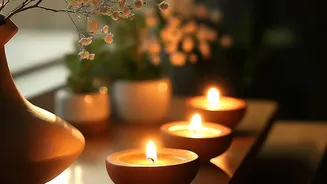
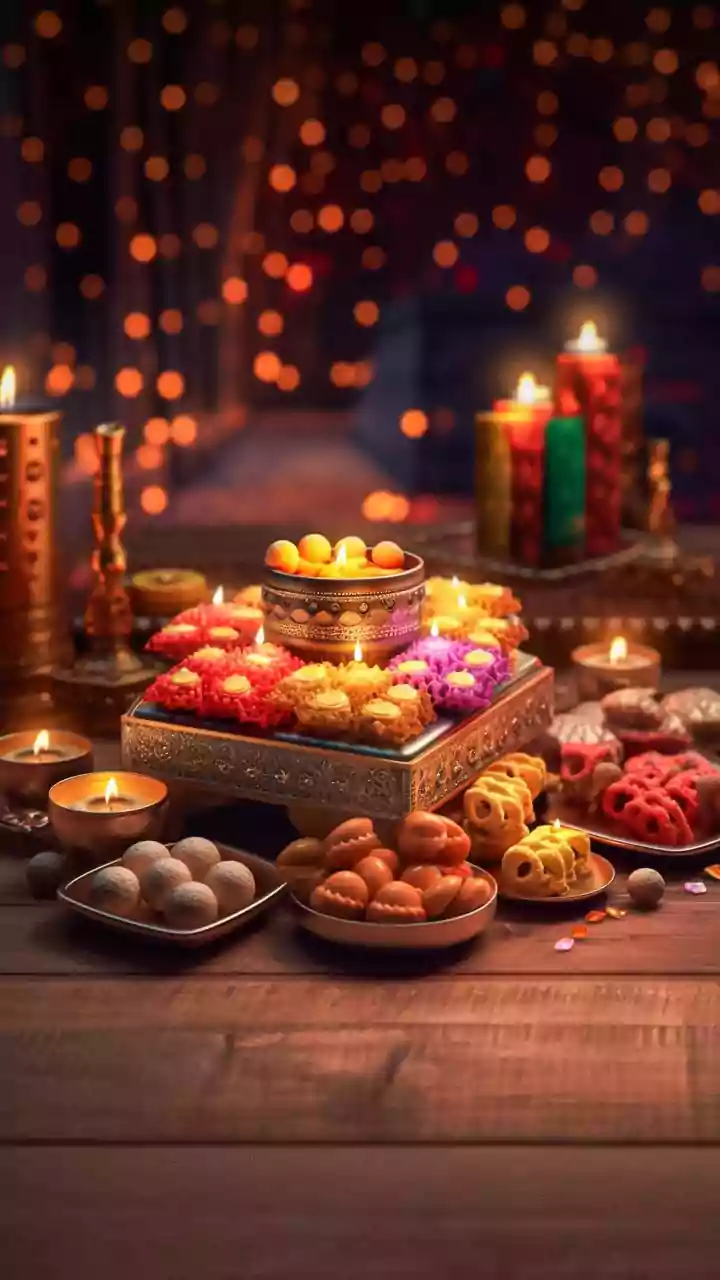
In a compact home, lighting is a powerful tool to create a festive atmosphere without occupying physical space. Strategic use of fairy lights, LED diyas, and smart lighting can transform a simple corner into a magical one. Hanging lanterns or focusing a spotlight on the mandir can create a sense of depth and focus. Fabric plays a similar role. Changing cushion covers and curtains to align with the festive colours of Navratri—vibrant reds, yellows, and greens—is a simple yet effective way to infuse the entire home with celebratory energy. These elements work together to evoke the grandness of the festival in a more subtle, space-efficient manner.