





What Exactly Is Slow Travel?
Slow travel isn't necessarily about moving at a snail's pace; it’s about a mindset. It prioritises connection over checklists, and depth over distance. Instead of racing through five cities in a week, a slow traveller might spend that entire time exploring
one region, staying in a local homestay, and eating where the residents eat. The philosophy traces its roots to the Slow Food movement in Italy, which began as a protest against the fast-food lifestyle. Similarly, slow travel is a deliberate rebellion against returning from a vacation feeling more tired than when you left. It's about spending enough time in a place to understand its rhythm, connect with its people, and truly absorb its culture.
The Rise of the Nature Retreat
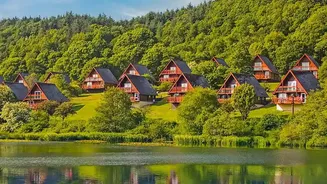
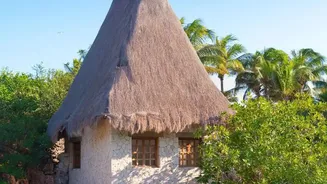
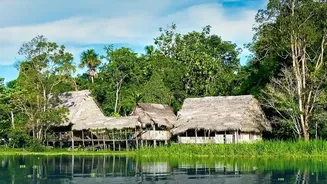
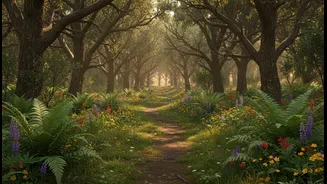
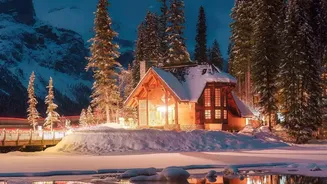
Nature retreats are becoming the perfect incubators for this growing movement. By their very design—often set in quiet, scenic locations away from urban chaos—they encourage visitors to downshift. These stays focus on creating calm, uncluttered spaces where guests can disconnect from digital distractions and reconnect with their surroundings and themselves. Whether it’s a cottage overlooking a misty valley, a farmstay focused on rural living, or an eco-lodge by a quiet river, the accommodation itself becomes a central part of the experience. The agenda is simple: rest, read, take gentle walks, and enjoy the stillness. This environment naturally fosters the core principles of slow travel: mindfulness, presence, and a meaningful connection to place.
A Response to Modern Burnout
The increasing popularity of slow travel is no accident; it’s a direct response to the pressures of modern life. In a world of constant connectivity and relentless productivity, the idea of a truly restful break has immense appeal. Many travellers are consciously seeking to avoid overcrowded tourist hotspots, long queues, and the stress that comes with them. The trend is also fueled by a greater awareness of mental well-being and a desire for digital detox. Recent data confirms this shift, with travel trend reports for 2026 showing a significant increase in travellers looking for slower, more intentional trips centred on relaxation. It’s a sign that people are no longer just looking for an escape, but for genuine restoration.
Embracing the Slow Lane in India
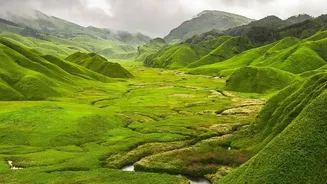
In India, the slow travel movement is gaining remarkable traction. Travellers are increasingly looking beyond popular circuits to explore the country's quieter corners. Reports show huge surges in searches for flights to smaller towns, indicating a desire for peaceful, week-long trips. Destinations perfect for this style of travel are abundant. Think of serene backwater stays in Kerala, meditative yoga retreats in the Himalayan foothills of Dharamkot, or discovering the unique Apatani culture in Ziro Valley. Lesser-known gems like the tea country of Jorhat in Assam, the quiet coastal town of Gokarna in Karnataka, and the cultural oasis of Majuli island are becoming hubs for those seeking immersive experiences. Homestays and villas, which offer a more authentic and personal experience, have also seen a massive rise in bookings.
More Than Just a Holiday
Ultimately, the appeal of slow travel is that it offers more than just a temporary break; it promises personal growth and a more sustainable way to see the world. By staying longer in one place and supporting local businesses, travellers contribute more meaningfully to the local economy and reduce their carbon footprint. It allows for deeper cultural immersion, whether through learning a few words of the local language or taking a regional cooking class. The goal is to return home not with a list of ticked-off sights, but with a refreshed mind, a deeper understanding of another culture, and lasting memories. It transforms travel from a frantic activity into a restorative and enriching experience.