






The Silent Crisis Below the Waves
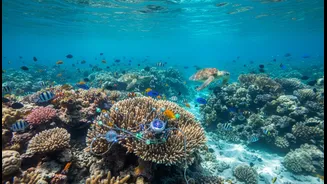
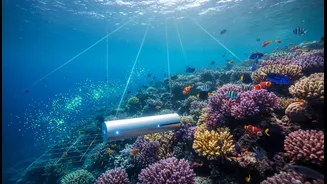
The world's oceans are the lifeblood of our planet, regulating climate and supporting an incredible diversity of life. Yet, this vital system is in peril. Climate change is leading to warmer, more acidic waters, causing events like mass coral bleaching.
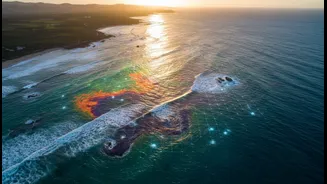
Pollution, from plastic debris to chemical runoff, chokes marine habitats. Overfishing depletes stocks faster than they can recover. These pressures are creating a silent crisis, making it difficult for scientists to keep pace and understand the full extent of biodiversity loss using traditional methods alone, which are often costly, time-consuming, and limited in scope.
A New Generation of Ocean Sentinels
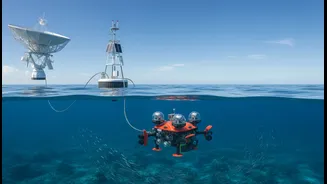
Fortunately, a technological revolution is underway, providing scientists with an unprecedented ability to monitor the ocean's health. Instead of relying solely on ship-based surveys and manual data collection, researchers are deploying a suite of advanced tools that act as a global nervous system for the planet's blue heart. These innovations range from satellites orbiting hundreds of kilometres above Earth to autonomous robots silently patrolling the deep. By combining different data streams, we are getting a more holistic and timely picture of what is happening in our oceans, enabling faster and more targeted conservation action.
Listening to the Ocean's Secrets
Among the most exciting new tools is Environmental DNA, or eDNA. As animals swim, they shed genetic material like scales and waste. By collecting a simple water sample, scientists can analyse this eDNA to create a snapshot of all the species present in an area, from microbes to whales, without ever seeing or capturing a single creature. This is a game-changer for detecting rare or elusive species. At the same time, passive acoustic monitoring uses underwater microphones to listen to the ocean's soundscape. This allows scientists to track marine mammal populations, monitor their health, and understand how they are affected by underwater noise from activities like shipping and construction.
The View From Above
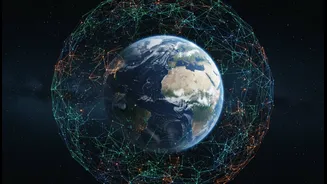
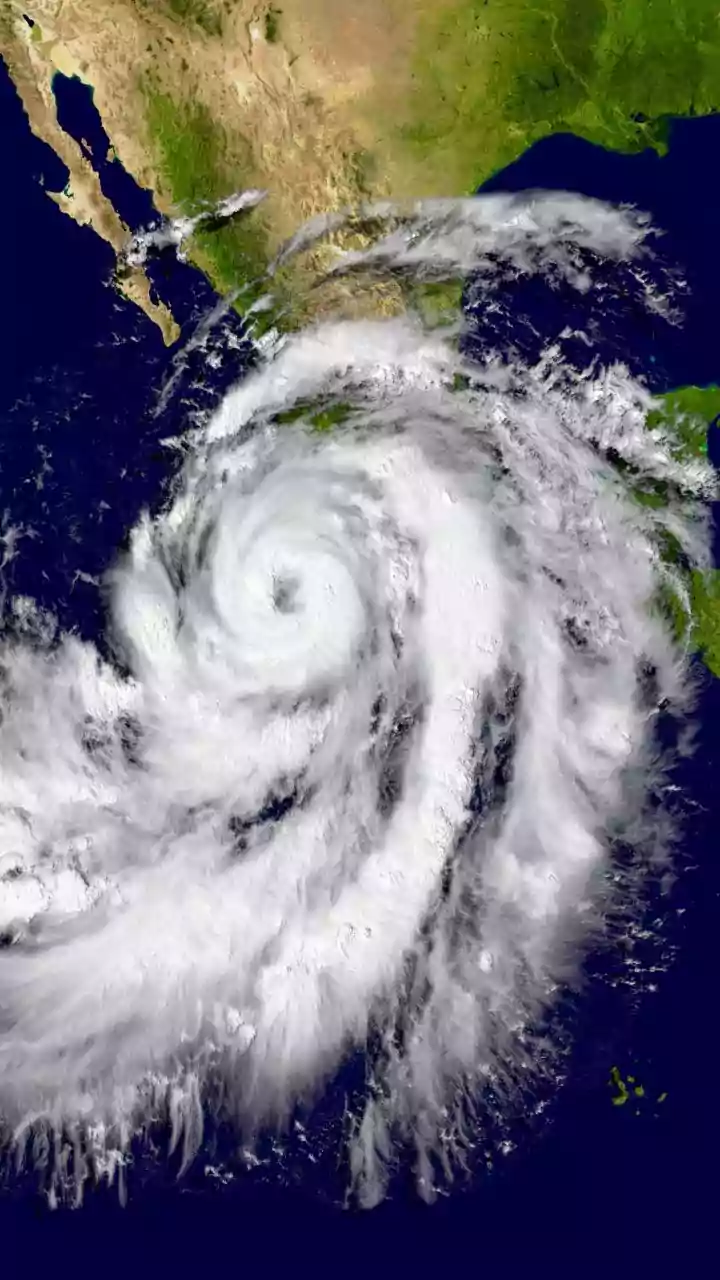
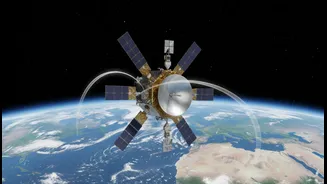
Satellite oceanography provides the ultimate big-picture view. From space, sensors can track changes in sea surface temperature, ocean colour, and sea level with incredible precision across vast areas. Changes in ocean colour, for instance, can indicate the presence of large phytoplankton blooms, which form the base of the marine food web. NASA's PACE satellite, launched in 2024, is one of the most advanced instruments for this task. Furthermore, by combining satellite imagery with artificial intelligence, organisations like Global Fishing Watch can now monitor shipping traffic and identify vessels engaged in illegal fishing, even those that turn off their tracking systems.
India's Deep Dive
With its extensive coastline of over 7,500 kilometres, India has a profound stake in ocean health. Recognising this, the government has launched the ambitious Deep Ocean Mission, a multi-year, multi-crore initiative spearheaded by the Ministry of Earth Sciences. This mission aims to explore the deep ocean for resources, develop technologies for sustainable use, and improve our understanding of its role in climate. A key component is the technological development for monitoring marine biodiversity, including bio-prospecting in the deep sea. Institutions like the National Institute of Oceanography (NIO) in Goa are at the forefront, conducting research on the unique characteristics of the Indian Ocean and running projects to map its genetic diversity.