
Craving that intense, bold flavour of a café espresso but not the intimidating equipment or price tag? You can brew a similarly rich and concentrated coffee right in your kitchen, creating the perfect base for lattes or a satisfying small cup.
Understanding Espresso-Style Coffee
First, let's
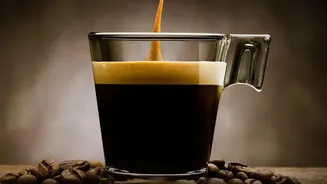
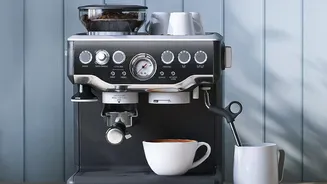
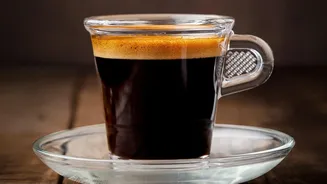
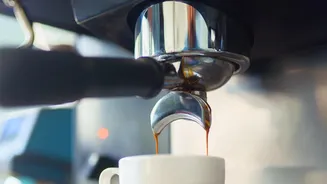
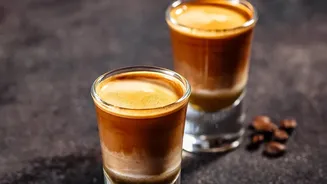
clear up a common point of confusion. True espresso is a specific brewing method that uses high pressure—around nine bars—to force hot water through a tightly packed puck of finely ground coffee in about 25-30 seconds. This creates a very concentrated shot with a signature layer of golden-brown foam called crema. What we're making at home without a commercial machine is 'espresso-style' coffee. It mimics the flavour intensity and concentration but is made with simpler, more accessible tools. While you won't get the exact same texture or crema, you can absolutely achieve the bold, robust flavour perfect for a morning kick or a homemade cappuccino.
Choose Your Brewing Method
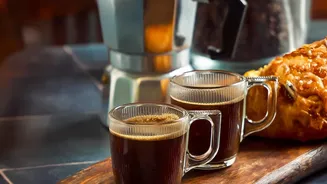
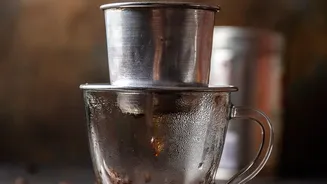
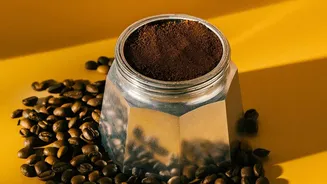
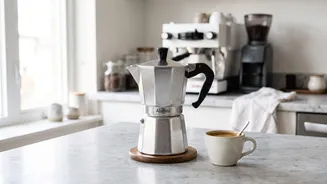
Two of the most popular and effective devices for making espresso-style coffee at home are the Moka pot and the AeroPress. The Moka pot, often called a stovetop espresso maker, uses steam pressure to push water up through the coffee grounds. It produces a strong, concentrated brew that many feel is the closest you can get to espresso's flavour profile without a machine. The AeroPress is a versatile and forgiving brewer that uses air pressure, applied by you pushing a plunger. This method gives you a clean, full-bodied shot and offers a lot of control over variables like water temperature and brew time. For those with a French press, you can also create a stronger brew by using a finer grind and a higher ratio of coffee to water.
The Secret Is in the Beans
The type of coffee bean you choose is just as important as your brewing method. While any bean can be used to make espresso, bags labelled 'espresso blend' are a great starting point because the roaster has specifically developed them for this style of brewing. For a classic, bold, and chocolatey flavour that stands up well to milk, a medium-dark or dark roast is your best bet. These roasts are more soluble and forgiving for beginners. Lighter roasts can produce more acidic, fruity, and floral notes, but they can be trickier to extract properly without a high-pressure machine.
Single Origin or Blend?
When selecting your beans, you'll see options for single-origin (from one specific location) or blends (a mix of beans from different locations). Many traditional Italian espresso blends mix Arabica beans, known for their complex and sweet flavours, with a small amount of Robusta beans, which add body, caffeine, and a thick, stable crema. However, 100% Arabica blends are also popular and can produce excellent, nuanced shots. Beans from Brazil often provide classic chocolate and nut flavours, while those from Honduras or Papua New Guinea can offer notes of caramel, spice, and stone fruit.
Grind Size and Freshness Matter
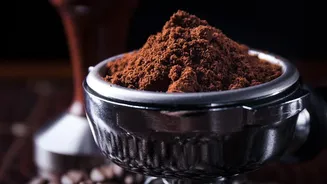
To get that bold flavour, grind size is critical. For espresso-style brewing, you need a fine grind, but not quite as powdery as what's used for true espresso. For a Moka pot, the grind should be slightly coarser than espresso, similar to fine sand or table salt. Using a grind that's too fine can clog the filter. The AeroPress is more versatile, but a medium-fine grind is a common starting point for stronger, shot-like recipes. No matter the method, the most important rule is to grind your beans just before you brew. Freshly ground coffee preserves the aromatic oils that are essential for a flavourful cup.