



Your Pre-Trip Vehicle Health Check
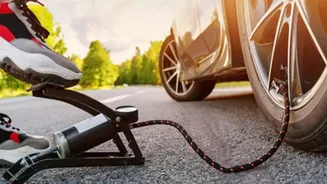
Before you even think about hitting the road, a thorough vehicle inspection is non-negotiable. Start with your tyres, which are your primary connection to slippery roads. Ensure they have adequate tread depth to prevent aquaplaning, a dangerous situation
where your car loses traction on a layer of water. Check that your brakes are responsive and not making any unusual noises; wet conditions significantly increase stopping distances. Next, inspect your windscreen wipers and make sure they are in good condition to handle heavy downpours. Finally, test all your lights—headlights, taillights, brake lights, and indicators. Reduced visibility is a major challenge during the monsoon, and you need to see and be seen. A weak battery is also more likely to fail in damp weather, so have it tested before you leave.
Smart Route Planning and Tracking
Modern technology is your best co-pilot for a monsoon trip. Use navigation apps like Google Maps or home-grown Mappls (MapmyIndia) which provide live traffic updates and can help you anticipate delays. However, don't rely on GPS alone. Before you depart, check the weather forecast for your entire route and destination, especially if you're heading to hilly areas prone to landslides. It's wise to plan a flexible itinerary with buffer days in case you need to wait out severe weather. Share your route and estimated time of arrival with a friend or family member. This simple step ensures someone knows your whereabouts, which is crucial if you run into trouble in a remote area with poor connectivity. Avoid travelling after dark whenever possible, as visibility plummets and road hazards like potholes become harder to spot.
Safe Driving in the Downpour
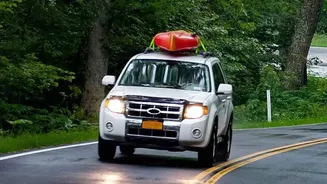
Once on the road, adjust your driving style for the conditions. The single most important rule is to reduce your speed. This gives you more time to react and helps maintain control. Increase the distance between your vehicle and the one in front of you, as braking takes longer on wet surfaces. Use your low-beam headlights even during the day to improve your visibility to others. High beams can reflect off raindrops and worsen your own view. Be extremely cautious on waterlogged roads. If you're unsure about the depth of a puddle, it's safer to find an alternate route. Driving through deep water can cause your engine to stall and lead to serious, expensive damage. If you must cross a shallow waterlogged patch, do so slowly in a low gear while keeping the engine revs high to prevent water from entering the exhaust.
Navigating Overnight Challenges
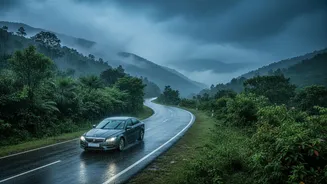
Driving at night during the monsoon multiplies the risks. Visibility is severely hampered by rain, fog, and the glare of oncoming lights. Driver fatigue is also a greater concern. Plan to take breaks every two to three hours to stretch and refresh yourself. If you feel drowsy, pull over in a safe, well-lit area. Avoid parking near unstable slopes or under large trees, especially in hilly regions. The combination of darkness and rain can make it incredibly difficult to spot potholes, debris, or even fallen trees on the road. Always prioritize starting your journey early in the morning to maximize daylight driving hours. If caught in extremely heavy rain or a storm at night, it is often wisest to find a safe place like a highway motel to wait it out until conditions improve.
Pack an Essential Emergency Kit
A well-stocked emergency kit can be a lifesaver. Your kit should include a powerful flashlight with extra batteries, a first-aid kit, and a reflective warning triangle to alert other drivers if you break down. Given the reliance on technology, a fully charged 20,000 mAh power bank is essential for keeping your phone and navigation devices running. Also pack a tow rope, jumper cables, and a basic toolkit. For personal comfort and safety, include an umbrella, waterproof gloves, extra towels, and some non-perishable snacks and water. Finally, ensure your spare tyre is properly inflated and that you have the necessary tools to change it. These items don't take up much space but can make a huge difference in an emergency situation.