






Paradise and the Plastic Problem
Meghalaya, the 'Abode of Clouds', is renowned for its stunning natural beauty, from living root bridges to some of the world's heaviest rainfall. Central to this allure are its rivers, particularly the Umngot in the Dawki region, which has gained global
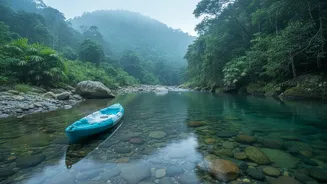
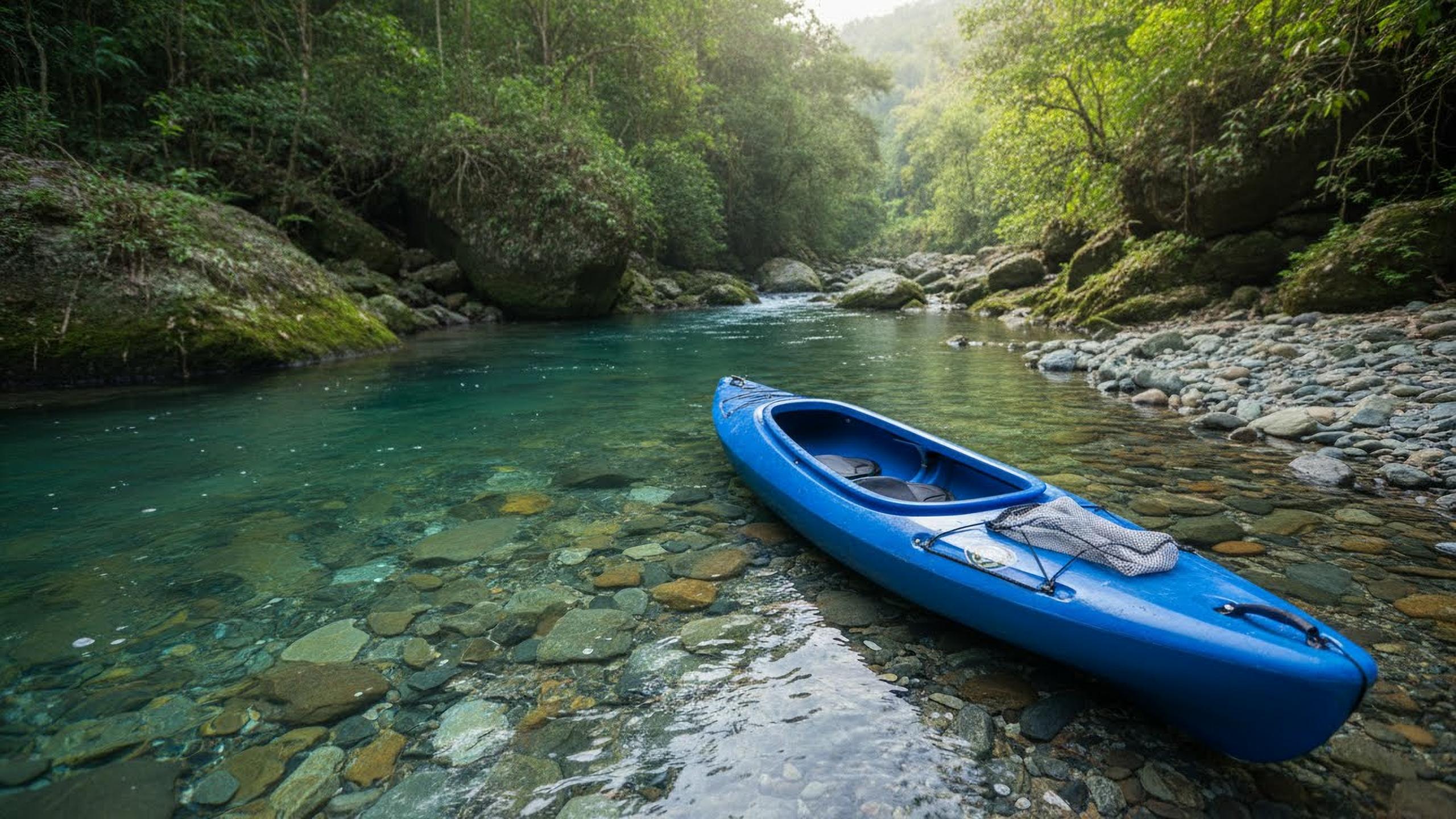
fame for its crystal-clear water. For years, images of colourful boats seemingly suspended over the visible riverbed have drawn tourists from across the globe. However, this idyllic picture is increasingly marred by a growing tide of plastic bottles, food wrappers, and other discarded waste that chokes riverbanks and gets snagged in the pristine waters. This pollution is not just an eyesore; it threatens the delicate aquatic ecosystem and the livelihoods of local communities who depend on tourism.
A New Wave of Environmentalism
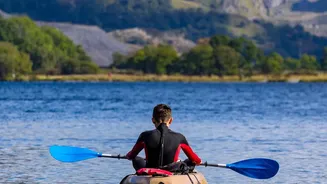
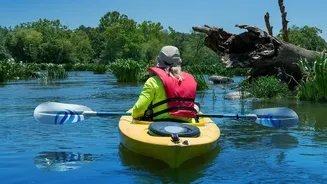
In response to this challenge, groups of environmentally conscious citizens and volunteers have taken to the water. Combining a passion for kayaking with a commitment to conservation, these individuals are paddling through the rivers, not just for sport, but for a purpose. Armed with nets and collection bags, they navigate the currents to retrieve floating debris and access hard-to-reach areas along the riverbanks. This movement mirrors similar initiatives in other parts of India, like on Kerala's Chaliyar River, where paddling has been effectively combined with environmental activism. In Shillong, a citizen-led group called 'Operation Clean-Up' has been tirelessly working since 2019 to clean the Umkaliar river, a tributary that feeds into the larger Umiam Lake.
More Than Just a Clean-Up Drive
The mission of these eco-warriors goes beyond simply picking up trash. Each expedition is a powerful statement, an act of awareness designed to highlight the scale of the pollution problem. By physically being on the water and removing waste kilogram by kilogram, they provide a visible and compelling narrative about consumption, waste disposal, and civic responsibility. The collected waste often consists of single-use plastics, a stark reminder of the items that are casually discarded. Organisers of these drives often use the opportunity to engage with local communities and tourists, educating them on the importance of keeping the waterways clean and the long-term damage caused by litter. The goal is to foster a culture of responsibility where protecting the environment becomes second nature to residents and visitors alike.
The Challenges on the Water
The work is far from easy. Volunteers often face the disheartening reality of returning to a recently cleaned area only to find it littered again. The sheer volume of waste flowing from upstream sources and left behind by visitors can be overwhelming. In Shillong, groups have noted that despite regular clean-ups, a lasting difference is hard to achieve without a fundamental change in public behaviour and stricter enforcement against littering. Furthermore, some of the pollution is not from individual littering but from larger-scale issues like construction debris. The Umngot river itself faced a serious threat when highway construction work led to large amounts of soil and debris turning its clear waters murky, causing alarm among locals and environmentalists.
The Ripple Effect of Hope
Despite the challenges, the impact of these kayaking clean-up crews is undeniable. They have removed tonnes of waste from India's waterways and, more importantly, have inspired a broader conversation about environmental stewardship. These grassroots initiatives demonstrate that citizens are not willing to stand by and watch their natural heritage degrade. Their efforts often complement larger government-led projects aimed at river rejuvenation and water conservation. By turning their adventure sport into a vehicle for positive change, these kayakers are sending a clear message: the responsibility to protect these pristine waters belongs to everyone. They are proving that a small group of determined individuals can indeed create a ripple effect, encouraging a wider movement to preserve Meghalaya's liquid jewels for generations to come.