






Dress in Layers for Temperature Control
One of the biggest variables on an overnight train is the cabin temperature, which can fluctuate wildly throughout the night. It might be stuffy when you board and then become surprisingly chilly in the early hours. The solution is to dress in comfortable,
breathable layers. Think soft cotton or merino wool fabrics that you can easily add or remove. Start with a t-shirt or tank top, add a long-sleeved shirt, and have a fleece or a light sweater handy. Loose-fitting loungewear or sweatpants are far better than restrictive jeans. Don't forget a pair of warm socks to keep your feet cozy, especially if you take your shoes off.
Block Out the World: Sight and Sound
Your senses are your biggest obstacle to sleep on a train. Between station announcements, the movement of other passengers, and interior lights, it can be hard to switch off. A high-quality sleep mask and a reliable pair of earplugs are non-negotiable items in your kit. Look for a contoured eye mask that doesn't put pressure directly on your eyelids, ensuring you can enter a deeper sleep cycle. For earplugs, foam versions are effective at blocking general noise, while some travelers prefer noise-canceling earbuds, which can also play calming sounds before you drift off.
Prioritize Head and Neck Comfort
Unless you’ve booked a sleeper cabin with a proper bed, you’ll likely be sleeping in a seat. A good travel pillow is essential to prevent waking up with a stiff neck. While U-shaped neck pillows are popular, inflatable pillows or even memory foam options that offer more versatile support can be game-changers. Some experienced travelers even bring a small, lightweight blanket or a large scarf, as the ones provided (if any) might not be sufficient. This extra layer of comfort can make a significant difference in your ability to relax.
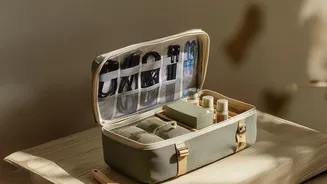
Pack a Small Toiletry Kit
A long journey can leave you feeling less than fresh. Packing a small bag with essential toiletries allows you to perform a simple nighttime and morning routine that signals to your body it’s time to sleep or wake up. Include a toothbrush, travel-sized toothpaste, face wipes, hand sanitizer, and deodorant. These small acts of hygiene can help you feel more human and comfortable in the shared space, making it easier to settle in for the night or prepare for your arrival in the morning.
Stay Hydrated and Bring Light Snacks
While you don't want to be getting up constantly, staying hydrated is important. Bring a refillable water bottle you can fill before boarding. Train food can be expensive or unavailable when you need it, so packing a few light, non-perishable snacks is a wise move. Think granola bars, nuts, or dried fruit—anything that can curb hunger pangs without creating strong odors that might disturb fellow passengers. Having your own provisions gives you control and comfort.
Secure Your Valuables for Peace of Mind
It’s difficult to sleep soundly if you’re worried about your belongings. Keep your most important items—passport, wallet, phone, and tickets—in a small bag that you can keep on your person, even while you sleep. A money belt, a small cross-body bag, or even a zippered pocket in your jacket can work well. For larger luggage, stowing it securely allows you to relax. This simple step provides peace of mind, which is a crucial ingredient for a restful night.