




The thrill of a quick getaway is unmatched, but a poorly planned transport strategy can quickly turn a dream trip into a budget nightmare. The final cost of your journey often hides far beyond the initial ticket price.
Thinking Beyond the Ticket Price
A successful budget trip isn’t about
finding the single cheapest fare; it’s about understanding the total cost of your journey. Transportation can account for up to 50% of a short trip's expenses, so a smart choice here has the biggest impact. Before you book, consider the “door-to-door” cost. A cheap flight might land you at an airport 90 minutes from your destination, requiring a pricey taxi. A centrally located train station, however, might put you a short auto-rickshaw ride from your hotel. You must also factor in the cost of your time. A gruelling, non-AC bus journey might save you a few hundred rupees but leave you too exhausted to enjoy your first day. The true cost includes the ticket, last-mile connectivity, baggage fees, and even the food you'll have to buy along the way.
The Lure of the Low-Cost Flight
Budget airlines have revolutionised short-distance travel, making a weekend trip from Delhi to Udaipur seem as simple as a local commute. A flight can shrink a 12-hour road journey into a 75-minute hop, which is an undeniable advantage. However, that low headline fare is often a mirage. Airlines are masters of ancillary charges. Preferred seat selection, even for a standard window or aisle, comes at a cost. Checked baggage fees can be substantial, sometimes costing more than the ticket itself on super-saver fares. The strictest cabin baggage policies mean a slightly oversized bag can lead to hefty penalties at the gate. Furthermore, airport food and transport are notoriously expensive. That ₹3,000 flight ticket can easily balloon to over ₹5,000 once you add a ₹600 airport cab at each end and a ₹400 sandwich while you wait to board. Flights are best for longer short-trips where time saving is critical, but for distances under 400-500 km, the total time and cost often rival other modes.
The Reliability of the Rails
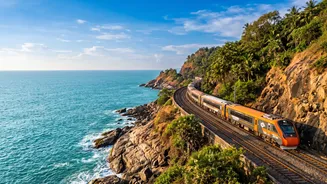
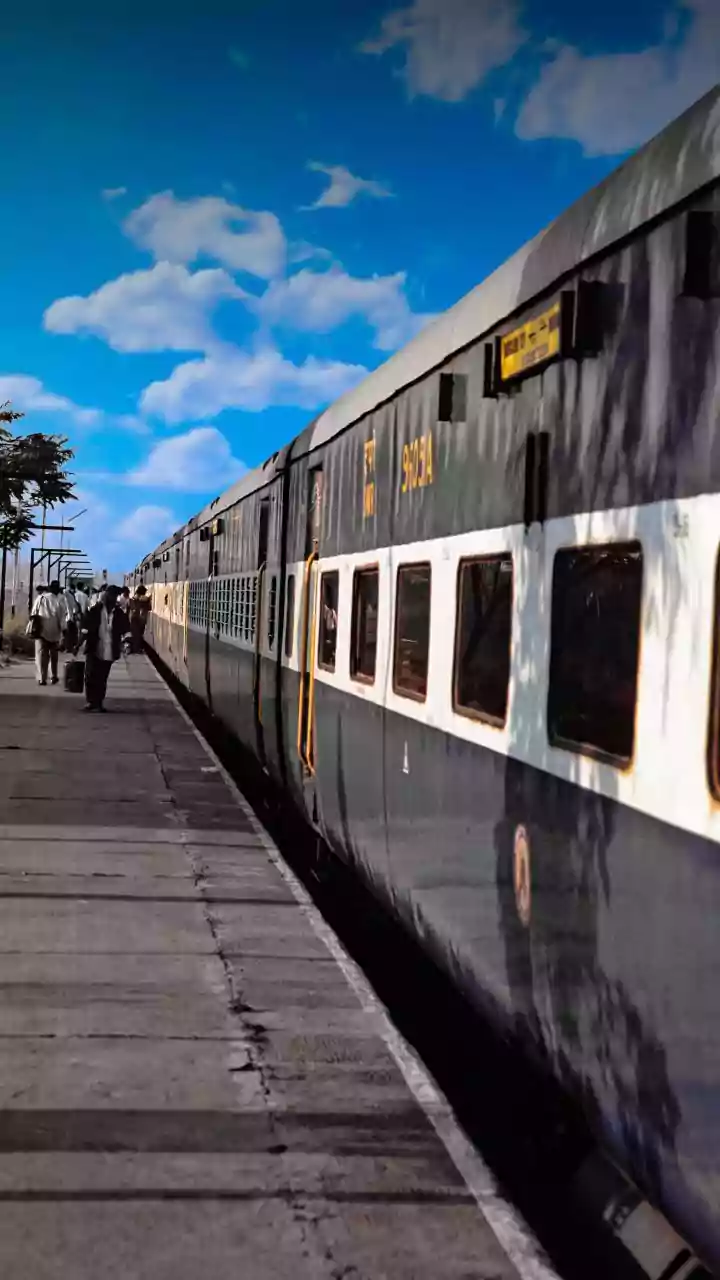
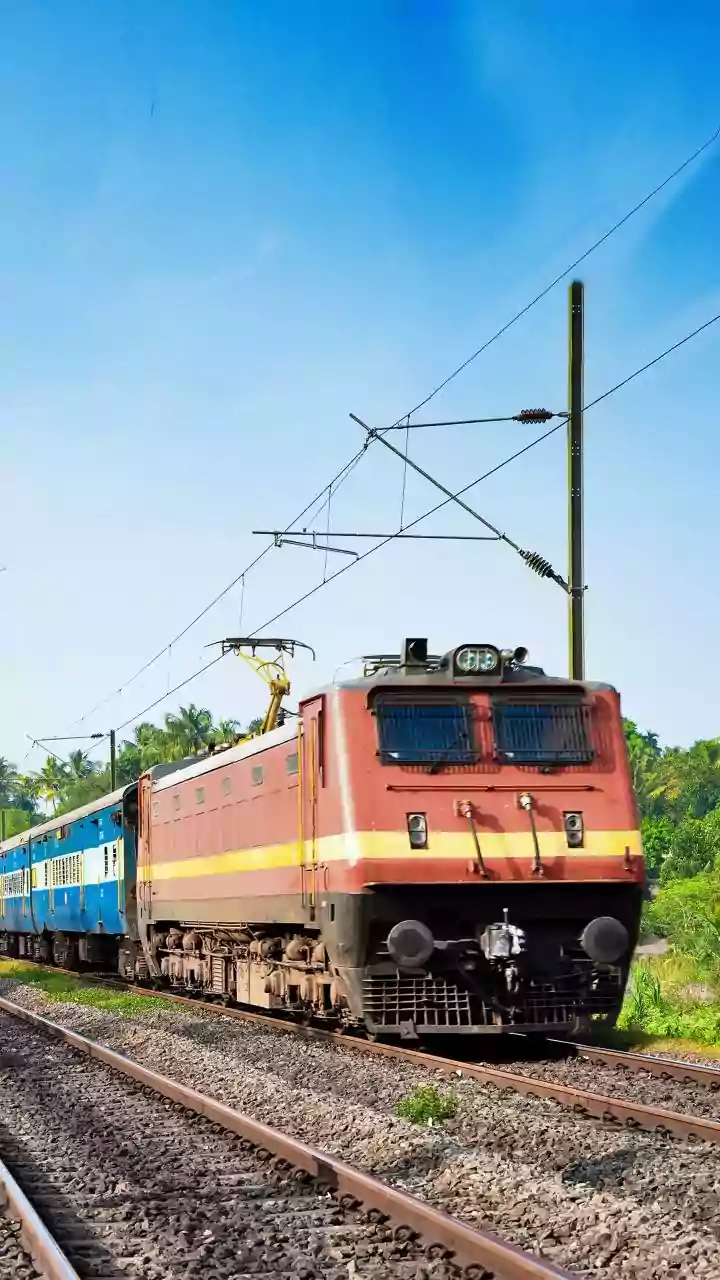
For many, train travel is the quintessential Indian experience, and for budget-conscious travellers, it remains one of the best options. The Indian Railways network is vast, and because it's government-subsidised, passenger fares are often lower than comparable bus routes. The options are diverse: for a quick intercity trip, an AC Chair Car on a Shatabdi or Vande Bharat Express offers a comfortable, fast, and affordable journey. For slightly longer overnight trips, an AC 3-Tier or 2-Tier berth allows you to save on a night's accommodation. Unlike airports, major railway stations are typically located in the city centre, drastically reducing your last-mile transport costs. Luggage allowances are far more generous than on airlines, and the ability to move around, enjoy the view, and sip on affordable chai makes the journey part of the vacation itself. The main drawback can be availability, as popular routes get booked out weeks in advance.
The Freedom of the Road
For ultimate flexibility, nothing beats hitting the road. The choice here is between intercity buses and a self-drive car. Modern AC Volvo and sleeper buses are a popular choice for routes between major cities like Mumbai-Pune or Bangalore-Chennai. They are generally affordable, comfortable for overnight journeys, and connect destinations that may not have direct train or flight links. Self-drive rentals, on the other hand, offer unparalleled freedom. You travel on your own schedule and can make spontaneous stops. For a group of four or five, splitting the cost of a rental can sometimes be cheaper per person than booking individual bus or train tickets. However, you must calculate the full cost: the daily rental fee, fuel, state tolls, parking charges, and a security deposit. Driving also adds a layer of responsibility and potential fatigue. For trips under 300 km, especially with a group, a self-drive car is a strong contender. For solo travellers or longer distances, a comfortable overnight bus often provides better value.