





Waterproof Your Electronics
Your smartphone, power bank, and camera are your most vulnerable items during a downpour. The simplest, low-cost hack is to use resealable plastic bags (like Ziploc bags) for each device. For more robust protection, invest in a dedicated waterproof phone pouch
or a dry bag. These are designed to keep water out completely, even during heavy rain or accidental splashes. Don't forget to pack a few silica gel packets in your electronics bag; they are excellent at absorbing ambient moisture and humidity, which can damage devices even if they don't get directly wet. This simple step prevents the build-up of condensation inside your gadgets.
Choose Your Footwear Wisely
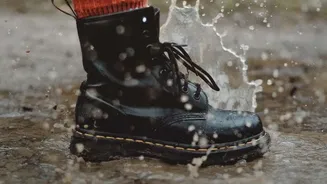
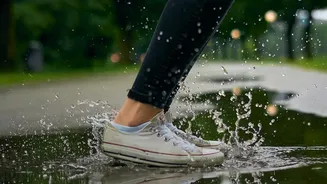
Footwear can make or break a monsoon trip. Leave your favourite leather, suede, and canvas shoes at home, as they absorb water, take ages to dry, and are easily ruined by mud. Instead, opt for rubber-soled, waterproof sandals, floaters, or Crocs-style footwear. These materials don't soak up water, provide a better grip on slippery surfaces, and can be cleaned easily. For treks or more active trips, look for waterproof hiking shoes with good traction. The key is to choose footwear that can get wet without becoming uncomfortable or damaged.
Master On-the-Go Shoe Cleaning
Mud is an unavoidable part of monsoon travel. The trick is to deal with it before it becomes a problem. If your shoes get muddy, try to wipe off the excess dirt immediately while it's still wet with a cloth or wet wipes. For dried mud, a small, stiff brush is invaluable for getting dirt out of soles and crevices. If you need to dry wet shoes in your hotel room, never place them in direct sunlight or near a heater, as this can cause the material to crack or warp. The best method is to stuff them with old newspaper, which absorbs moisture from the inside, and let them air-dry in a well-ventilated area. Replacing the newspaper every few hours will speed up the process.
Rethink Your Clothing Choices
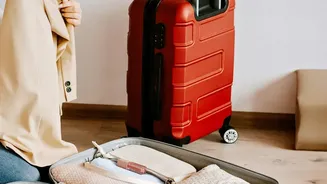
During the monsoon, humidity is high, and clothes take a long time to dry. The smart shortcut is to pack lightweight, synthetic fabrics like polyester and nylon. Unlike cotton, which soaks up moisture and stays damp for hours, synthetics shed water and dry very quickly. Packing quick-dry shirts, trousers, and underwear means you can wash items in the evening and have them ready by morning. It's also wise to carry a separate reusable bag specifically for wet or dirty clothes to keep them from making everything else in your luggage damp and musty.
Upgrade Your Bag and Rain Gear
Your backpack is your first line of defence. Ideally, use a waterproof backpack. If you don't have one, a high-quality rain cover for your existing bag is a non-negotiable essential. Sudden downpours can soak a standard backpack in minutes. While a good raincoat or poncho is a must, don't underestimate the utility of a strong, windproof umbrella for lighter showers or city walks. This combination ensures you and your belongings stay dry whether you're caught in a drizzle or a deluge.
Pack a Monsoon First-Aid Kit
The rainy season brings an increase in insects and a higher chance of minor skin issues due to the constant dampness. Your first-aid kit should be adapted for these conditions. Include a good insect repellent, as mosquito activity increases during the monsoon. Antifungal powder or cream is also essential for preventing skin infections that can arise from wearing damp clothes or shoes. Round out your kit with basic medicines for coughs and colds, antiseptic wipes, and waterproof plasters for any small cuts or scrapes.