




A Dam, A Port, and A River Divided
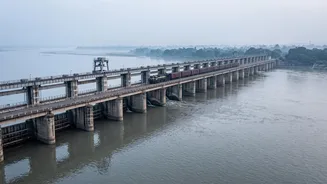
The story begins in 1975 with the commissioning of the Farakka Barrage in West Bengal, just 18 kilometres upstream from the Bangladesh border. India's primary goal was to divert water from the Ganga into the Bhagirathi-Hooghly river system. This was intended
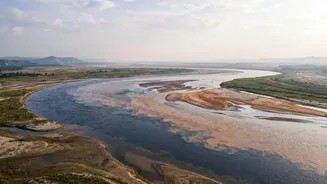
to flush out silt deposits and improve the navigability of Kolkata Port, which was facing a crisis. However, for Bangladesh, the lower riparian country, the barrage immediately raised concerns. The diversion meant a significant reduction in the freshwater flow of the Ganga, known as the Padma in Bangladesh, especially during the critical dry season from January to May.
The Landmark 1996 Treaty
After years of short-term agreements and diplomatic tensions, a major breakthrough came on December 12, 1996. Indian Prime Minister H.D. Deve Gowda and his Bangladeshi counterpart Sheikh Hasina signed the 'Treaty on Sharing of the Ganga/Ganges Waters at Farakka'. This 30-year pact was hailed as a diplomatic success, providing a predictable framework for managing a shared resource. It established a detailed formula for water allocation during the lean season, monitored in 10-day intervals, and created a structured mechanism for cooperation through the Joint Rivers Commission (JRC).
Decoding the Water Formula
The treaty's formula is based on the total water flow available at Farakka. If the flow is 70,000 cubic feet per second (cusecs) or less, India and Bangladesh share it equally. If the flow is between 70,000 and 75,000 cusecs, Bangladesh is guaranteed 35,000 cusecs, and India receives the rest. If the flow exceeds 75,000 cusecs, India's share is capped at 40,000 cusecs, with the remainder going to Bangladesh. The treaty also includes a provision for the most critical period, from March to May, where each country is guaranteed a minimum of 35,000 cusecs in alternating 10-day cycles.
Why the Formula is Now Under Scrutiny
Despite its initial success, the treaty is facing growing pressure as its 2026 expiration date nears. Bangladesh has consistently argued that the reduced dry_season flow has had severe environmental consequences, including increased salinity in its coastal regions, damage to agriculture and fisheries, and desertification in the northern part of the country. A key point of contention is the absence of a 'guarantee clause' that was present in a previous 1977 agreement. That clause ensured Bangladesh received at least 80% of its allocated share even during periods of exceptionally low flow. Dhaka is now pushing for a similar guarantee to be included in any new or renewed treaty.
The negotiations are further complicated by new factors. Climate change has made river flows more erratic, and both countries face rising domestic water demands. Within India, there is also growing pressure from states like Bihar, which argues the Farakka Barrage has caused massive upstream siltation, leading to severe flooding. The Bihar government has urged the Centre not to renew the treaty in its current form and to prioritize the state's own increasing water needs. India's official stance is that all matters will be discussed through the JRC, but formal talks for renewal have been slow to commence.