




The End of the Impersonal Showroom
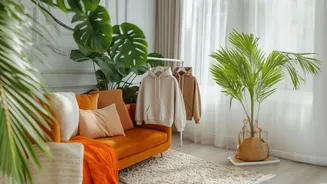
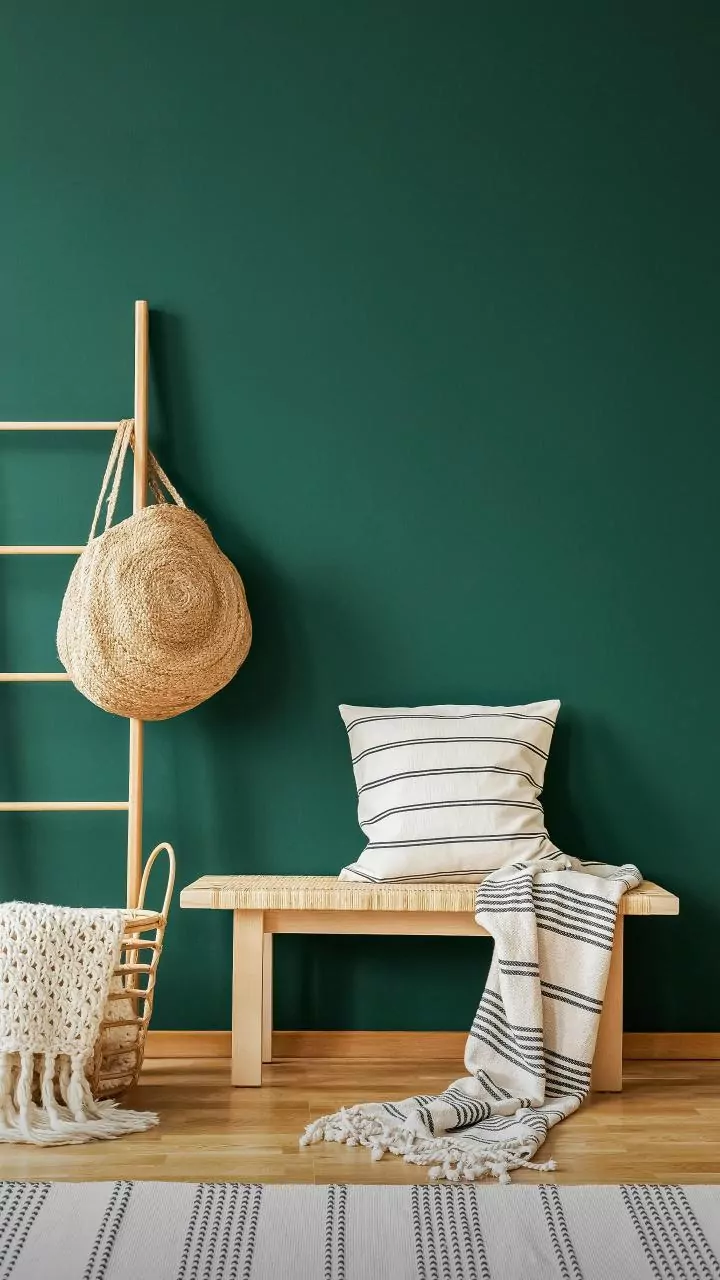
The showroom aesthetic, characterized by neutral palettes, clean lines, and a distinct lack of clutter, dominated interior design for the better part of a decade. Popularized by social media, this look was about creating a serene, orderly, and universally
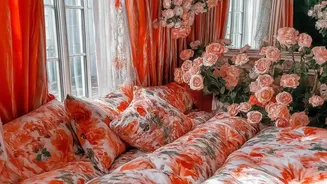
appealing space. Its appeal was understandable; in a chaotic world, a minimalist home promised a sense of calm and control. However, this aesthetic often came at a cost. In striving for perfection, these spaces could feel impersonal, anonymous, and even cold. They were designed to be admired rather than truly lived in, often lacking the warmth and character that makes a house feel like a home.
A Return to Meaning and Memory
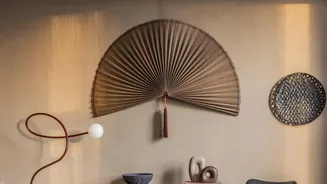
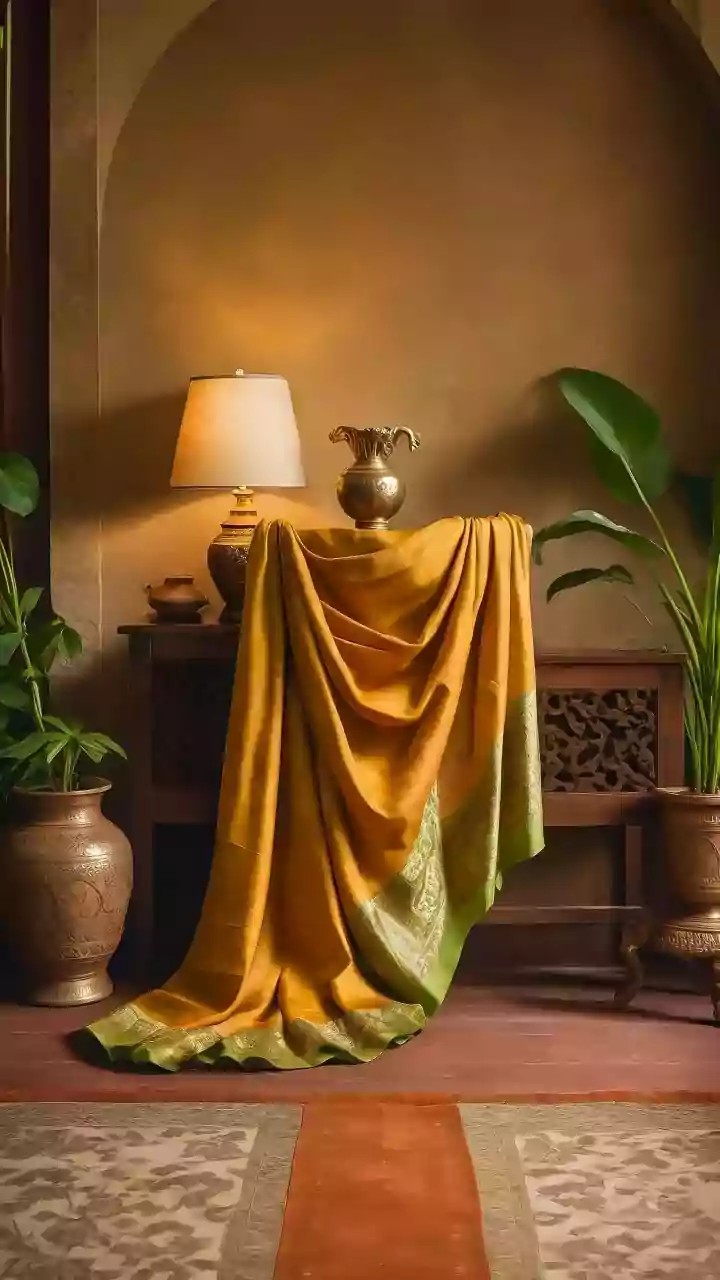
In response, a more soulful approach to decorating is taking root. Often called the “collected home,” this style celebrates individuality and personal history. It moves away from mass-produced perfection and embraces items that tell a story. This includes handmade objects, artisanal accents, vintage finds, and sentimental heirlooms. The goal is no longer to create a space that looks untouched, but one that feels layered, authentic, and deeply connected to the people who inhabit it. Instead of hiding personal collections, this approach encourages homeowners to display memories, art, and objects that reflect their unique journey and identity.
Why We're Craving Character Now
Several factors are driving this shift. The pandemic played a significant role, transforming our homes into multi-functional spaces for work, rest, and family life. Staring at the same four walls for months on end created a collective desire for spaces that provide comfort, warmth, and emotional connection. There is also a growing weariness of the generic, trend-driven cycle and a renewed appreciation for sustainability and craftsmanship. By choosing handmade items, homeowners are not only supporting artisans but also bringing a sense of soul and human touch into their environments. This trend is about creating a sanctuary that nurtures well-being, rather than simply looking good in a photograph.
The Indian Home’s Enduring Heritage
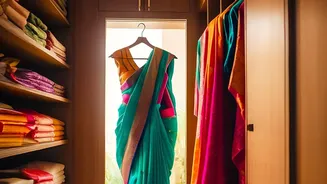
For many in India, this so-called trend is simply a return to roots. Indian homes have a long and rich history of incorporating handmade and artisanal pieces into daily life. From the intricate metalwork of Dhokra sculptures to the vibrant hues of Phulkari embroidery and the earthy appeal of terracotta pottery, traditional crafts have always been an integral part of our domestic landscape. These objects were never just decoration; they were functional, imbued with cultural meaning, and often passed down through generations. While modern minimalism had its moment, the current movement toward personal and handcrafted decor feels like a natural re-embracing of this heritage—a blending of contemporary living with timeless artistry.
How to Weave Your Own Story In
Incorporating this style doesn't require a complete overhaul. It's about slowly layering in pieces that hold personal value. Start small: frame a treasured family recipe or your child’s first drawing. Create a gallery wall with a mix of family photographs, postcards from travels, and small art prints. When you travel, look for a unique textile or a piece of local pottery. Make a conscious choice to support local artisans by investing in a hand-woven rug, a carved wooden bowl, or block-printed cushions. The key is intention. Give each piece breathing room, allowing its story to shine. Contrast old with new by placing an heirloom brass vessel on a sleek, modern console table. The most beautiful interiors are those that evolve over time, reflecting the life and memories made within them.