




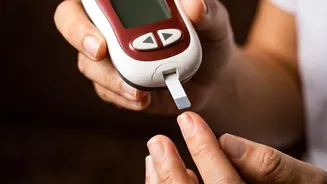


Feeling drained and constantly reaching for water is a common experience. But when endless fatigue and an unquenchable thirst become your new normal, it could be your body's way of signalling an underlying issue like diabetes.
The Link Between Fatigue and Blood Sugar
One of the most common signs
of diabetes is a persistent feeling of tiredness that sleep doesn't seem to fix. This happens because diabetes affects how your body uses glucose, its main source of fuel. In a healthy body, the hormone insulin acts like a key, allowing glucose from the food you eat to enter your cells and be converted into energy. When you have diabetes, either your body doesn't produce enough insulin or it can't use the insulin it makes effectively (a condition called insulin resistance). As a result, glucose can't get into your cells, leaving them starved for energy. This 'energy crisis' at the cellular level is what causes the profound fatigue, leaving you feeling sluggish and drained even after a full night's rest.
Why the Unquenchable Thirst?
Along with fatigue, excessive thirst (known medically as polydipsia) is a classic hallmark of diabetes. This isn't just feeling a bit parched; it's a constant, nagging thirst that water doesn't seem to satisfy. It's directly linked to high levels of sugar in your bloodstream. When glucose builds up in your blood, your kidneys have to work overtime to filter and absorb the excess. When they can't keep up, the extra sugar is flushed out of your body through urine. To do this, your kidneys pull large amounts of fluid from your body's tissues, leading to dehydration. Your brain then gets a strong signal that you need to replenish these lost fluids, triggering intense thirst.
The Vicious Cycle of Thirst and Urination
The excessive thirst is part of a cycle with another key symptom: frequent urination (polyuria). Because your kidneys are working so hard to get rid of excess blood sugar, you'll find yourself needing to urinate much more often, and in larger volumes, than usual—sometimes more than 3 litres a day. Many people first notice this as having to wake up multiple times during the night. This constant loss of fluids is what drives the persistent thirst. As you drink more to quench the thirst, you urinate more, and the cycle continues as long as your blood sugar levels remain high. This process not only disrupts your daily life and sleep, but also worsens the dehydration and fatigue.
Other Warning Signs to Watch For
While fatigue and hydration changes are prominent, they often appear alongside other symptoms. Unexplained weight loss is another key sign, especially in Type 1 diabetes. It occurs because your body, unable to use glucose for fuel, starts breaking down muscle and fat stores for energy instead. Other common indicators include blurred vision, which happens when high blood sugar pulls fluid from the lenses of your eyes, and slow-healing sores or frequent infections, as high glucose levels can impair your immune response and circulation. Some people may also notice tingling or numbness in their hands and feet or patches of dark, velvety skin in body folds like the neck or armpits.