



1. Rethink Your Watering Schedule
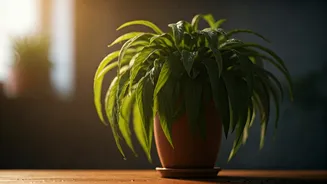
This is the most critical adjustment. With high humidity and less sunlight, the soil in your pots will stay wet for much longer. [2] The biggest mistake during the rainy season is overwatering, which can quickly lead to root rot. [2, 5] Before you even
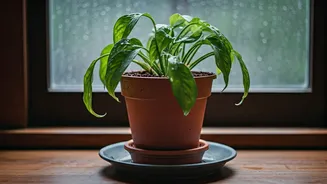
think about watering, check the soil. Push your finger about an inch or two into the pot; if it feels damp, wait a few more days. [4] When you do water, do so lightly. Remember, the goal is to provide moisture, not to create a bog in your living room. Also, ensure every pot has adequate drainage holes to let any excess water escape. [5, 8] It’s a good idea to empty the saucers under your pots after watering so the plant isn’t sitting in a puddle. [11]
2. Maximise Available Light
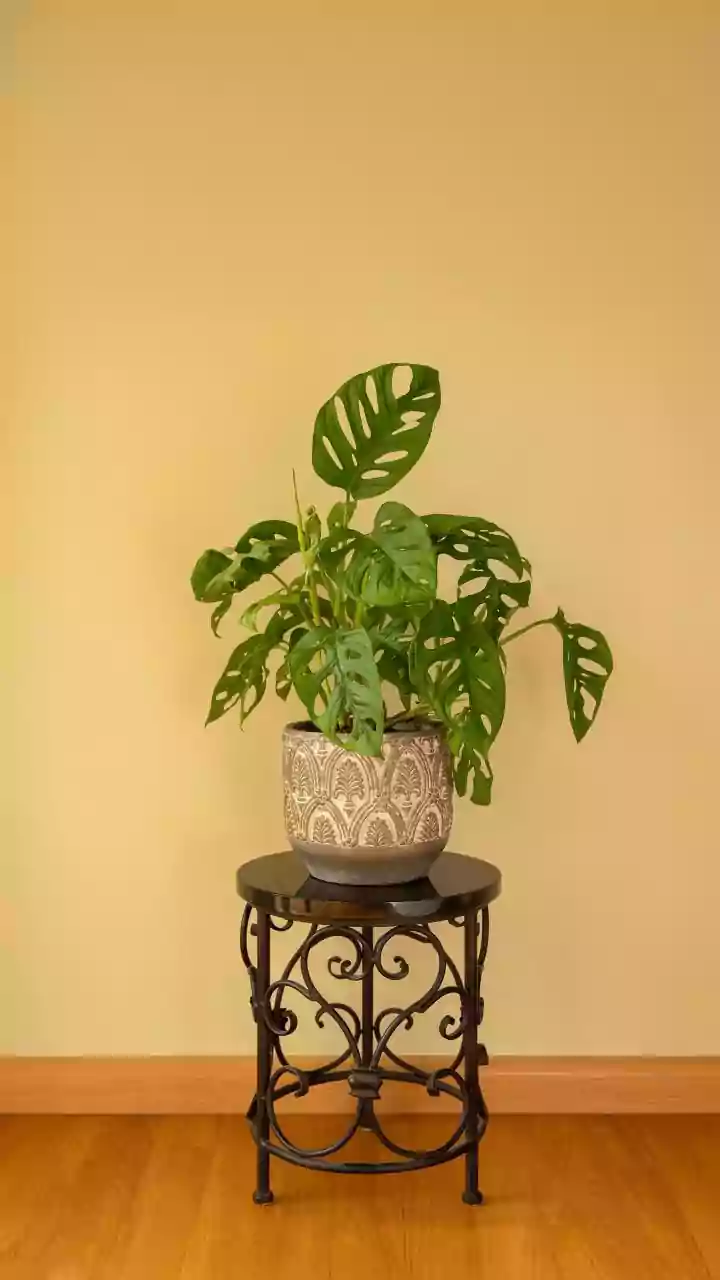
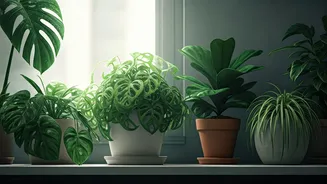
Grey, overcast days mean significantly less natural light for your plants to perform photosynthesis. While you can't control the weather, you can optimize your home's light conditions. Move your plants closer to windows, especially those facing east or west, to catch as much light as possible. [12] You can also try elevating plants on stools or stands to get them nearer to the light source. [22] Wiping down both your windows and the leaves of your plants can also make a surprising difference. [16] Clean leaves can absorb light more efficiently, and clean windows let more of it in. [16, 18] For prized plants in particularly dark corners, consider investing in a simple grow light to supplement their needs during the gloomiest months. [12, 16]
3. Increase Air Circulation
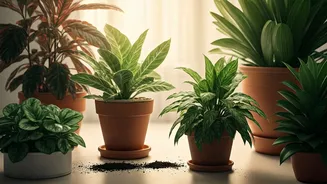
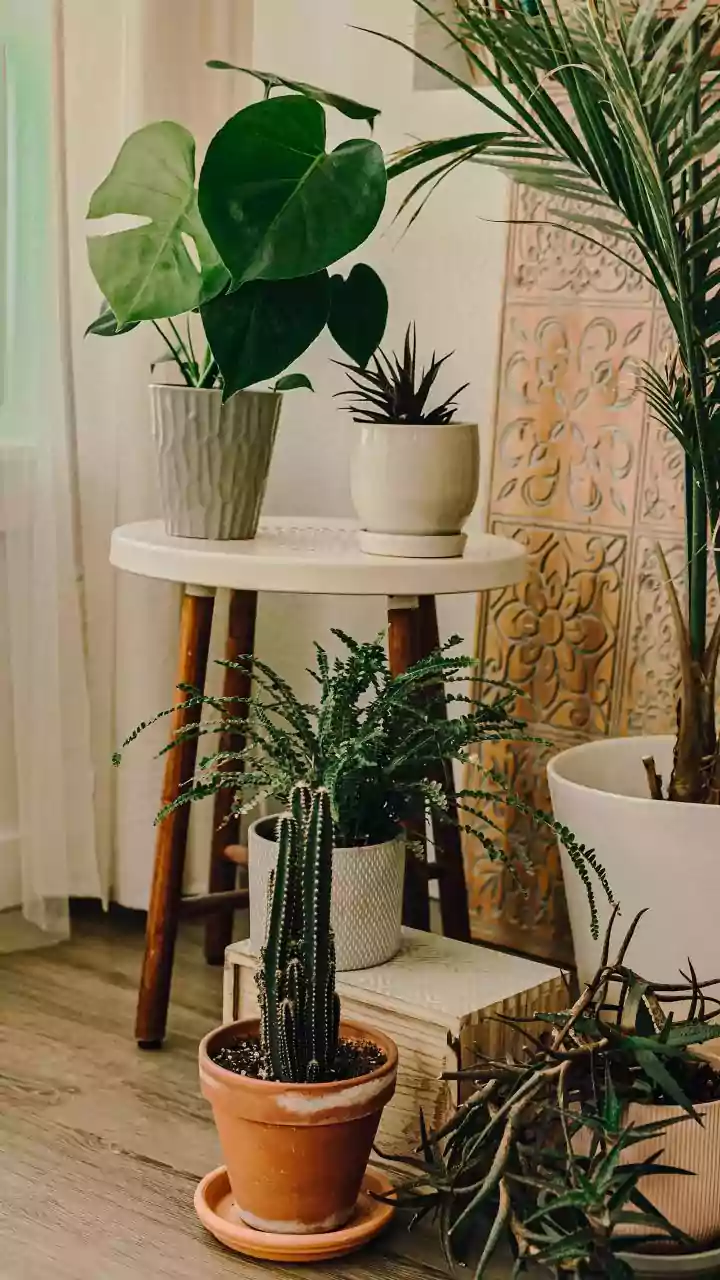
High humidity combined with stagnant air is a recipe for fungal diseases like powdery mildew and gray mold. [1, 3] These diseases thrive in damp conditions and can spread quickly from leaf to leaf. [1, 6] To combat this, improve the airflow around your plants. Avoid cramming them too close together; giving them space allows air to circulate more freely. [10] If possible, open windows for a few hours on less rainy days to get the air moving. A small, low-speed oscillating fan pointed in the general direction of your plants (but not directly at them) can also work wonders to prevent fungal spores from settling. [10]
4. Watch for Pests and Diseases
The damp, warm conditions of the monsoon are an open invitation for pests and fungal growth. [5, 15] Be extra vigilant during this time. Check the undersides of leaves and the soil surface for common pests like fungus gnats, spider mites, and mealybugs. [4, 13, 21] Fungus gnats, small flies that hover around the soil, are particularly common when the soil is consistently moist. [13, 21] To prevent fungal issues, you can sprinkle a little cinnamon or turmeric powder on the soil, both of which have natural anti-fungal properties. [4] Regularly inspect your plants for any signs of trouble like yellowing leaves, soft stems, or visible mold, and act quickly. [2, 3] Removing affected leaves promptly can prevent a problem from spreading. [5]
5. Hold Back on Fertiliser
Plants generally use fertiliser to fuel new growth, which is primarily driven by light. Since there's less light available during the monsoon, most indoor plants will naturally slow their growth rate. Pushing them to grow with fertiliser during this semi-dormant period can do more harm than good, potentially leading to weak, leggy growth or even burning the roots. It’s best to reduce your fertilising frequency by half or stop altogether until the sunny weather returns. Let your plants rest and conserve their energy. They will thank you for it when they are ready for their next growth spurt.
6. Prune and Tidy Up
A little housekeeping goes a long way. Regularly trimming your plants helps improve air circulation and removes potential breeding grounds for disease. [5] Snip off any yellowing or dead leaves, as well as any branches that look weak or damaged. [4, 5] This not only keeps the plant looking neat but also directs its energy toward maintaining healthy growth. Wiping down dusty leaves with a damp cloth not only helps the plant absorb more light but also allows you to inspect it closely for any early signs of pests. [16] A clean and tidy plant is generally a healthier plant.