


The Joy of the Homemade Flatbread
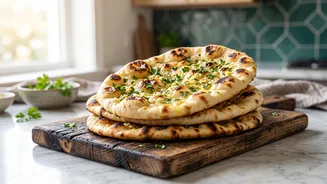
There’s a special kind of magic in transforming simple ingredients like flour, water, and yogurt into a stack of warm, soft breads. For a growing number of food enthusiasts, the weekend has become the perfect time to explore the art of Indian flatbreads.
It’s a hands-on culinary project that offers a delicious reward, moving beyond just following a recipe to engaging with the dough and the cooking process. The appeal is multi-faceted: it’s a chance to slow down, get your hands dusty with flour, and create something wholesome. Unlike the often-disappointing store-bought versions, homemade breads offer unparalleled freshness and flavour. They emerge from the pan fragrant and steaming, ready to scoop up your favourite curry or simply be enjoyed on their own. This trend is about more than just food; it’s about the satisfying experience of mastering a traditional skill and bringing the authentic taste of a beloved cuisine into your own kitchen.
You Don’t Need a Tandoor
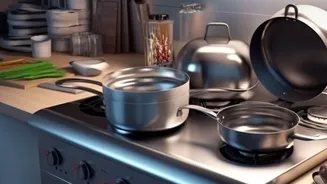
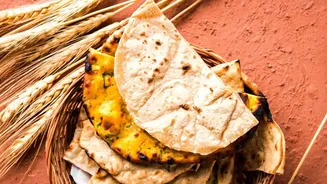
The single biggest myth that stops people from trying to make breads like naan is the belief that a special clay oven, or tandoor, is required. While a tandoor provides the intense, enveloping heat that gives restaurant naan its signature puff and char, you can achieve fantastic results at home with basic equipment. The most crucial tool is a heavy-bottomed pan that can get and stay very hot. A cast-iron skillet (tawa) is the gold standard here, as it mimics the heat retention of a tandoor. Simply preheating it properly over a medium-high flame is key to getting the bubbles and golden-brown spots you’re looking for. Some recipes even use an inverted skillet directly over a gas flame to char the top of the bread, giving it that classic tandoori finish without the tandoor. So before you worry about specialty equipment, just grab your trustiest, heaviest pan.
A Bread for Every Skill Level
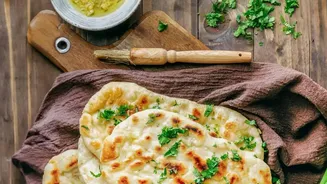
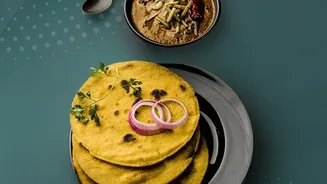
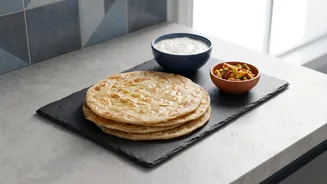
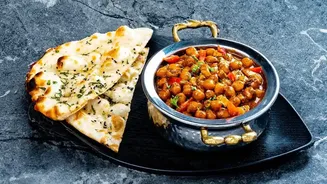
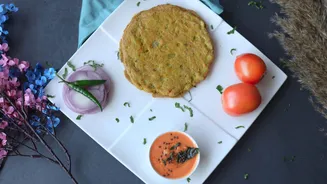
The world of Indian breads is vast, offering a perfect starting point for everyone from the nervous novice to the adventurous cook. If you're a beginner, start with Roti or Chapati. Made from whole wheat flour (atta), salt, and water, this unleavened bread is a daily staple in many Indian homes and a great way to practice your rolling and cooking technique. Ready for the next step? Try your hand at Naan. This leavened bread, typically made with all-purpose flour, yogurt, and a leavening agent like yeast or baking powder, is famously soft and pillowy. The use of yogurt is key to its tender texture. For those wanting more of a challenge, the flaky, layered Paratha or a stuffed Kulcha offers a rewarding project. Kulchas are often made with refined flour (maida) and can be filled with spiced potatoes or paneer, while parathas involve creating layers with ghee or oil, resulting in a wonderfully crisp and flaky texture.
Key Tips for Perfect Breads
While recipes vary, a few universal principles can elevate your flatbread game. First, always rest your dough. This allows the gluten to relax, making the dough much easier to roll out without it springing back. Second, don’t be shy with heat. A hot pan is essential for the rapid puff that creates a light, airy texture inside. For naan, a clever trick involves brushing one side of the dough with water before placing it on the hot skillet. This helps it stick to the pan, allowing you to flip the entire skillet upside down over a flame to cook the top. Finally, embrace fat for flavour and softness. Using yogurt or warm milk in the dough makes for a more tender crumb, and brushing the finished bread with melted butter or ghee the moment it comes off the heat is non-negotiable for that authentic, melt-in-your-mouth experience.