



From Green Lawns to Green Thinking
The traditional image of a perfect garden often involves a manicured, thirsty lawn and rows of delicate, water-guzzling flowers. This ideal, however, is being challenged by the reality of erratic monsoons and urban water shortages. The low-water gardening
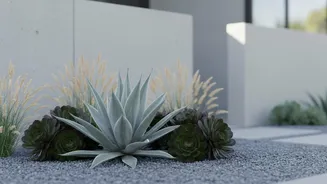
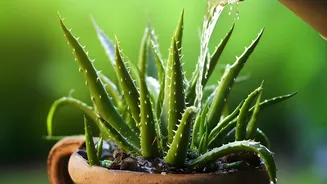
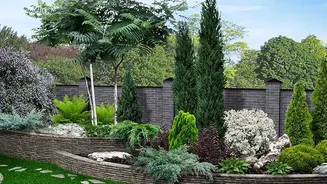
movement, sometimes known as xeriscaping, isn't about creating a barren landscape of rocks and cacti. Instead, it’s a fundamental rethinking of what makes a garden beautiful. It champions a new aesthetic based on resilience, regional identity, and ecological harmony. This shift asks a critical question: why fight our climate when we can work with it? The answer is leading to gardens that are not only sustainable but also more interesting and full of life.
The Principles of a Water-Wise Oasis
Creating a low-water garden is based on a few common-sense principles. It starts with a thoughtful plan that groups plants together based on their water needs, a practice known as hydrozoning. Another key is improving the soil with organic matter like compost, which helps it retain moisture much more effectively. Applying a layer of mulch, such as wood chips or shredded leaves, is also crucial. Mulch acts like a blanket for the soil, keeping it cool and dramatically reducing water evaporation. Finally, it involves irrigating efficiently. Instead of frequent, shallow watering that encourages weak roots, the goal is to water deeply but less often, training plants to develop strong, deep root systems that can find moisture even during dry spells.
Rethinking Our Plant Palette
At the heart of this movement is a conscious change in plant selection. For too long, gardening trends have favoured exotic species that may look stunning but are ill-suited to local conditions, demanding constant care and water. The low-water shift prioritises native and drought-tolerant plants that are naturally adapted to the region's climate. In India, this means embracing a rich heritage of plants that thrive in local soils and weather patterns. Think of beautiful, hardy species like the Indian Coral Tree, Palash (Flame of the Forest), and fragrant climbers that adorn homes naturally. Herbs like Tulsi and Curry Leaf, long a part of Indian homes, are naturally low-maintenance choices. By choosing plants that belong here, we create gardens that require less intervention and fewer resources to flourish.
More Than Just Water Savings
The benefits of this gardening approach extend far beyond lower water bills. Because native plants are adapted to local conditions, they are naturally more resistant to local pests and diseases, reducing the need for chemical pesticides and fertilisers. This saves money and effort, but also creates a healthier environment for you and your family. A garden filled with native species becomes a valuable habitat, attracting local birds, bees, and butterflies, and helping to support dwindling pollinator populations in urban areas. These gardens require less mowing, pruning, and general upkeep, freeing up more time to simply enjoy the space. It’s a transition from a high-effort aesthetic to a low-effort, high-reward ecosystem.
A New Definition of Beauty
Ultimately, the low-water gardening shift is about changing our perception of beauty. It moves away from a one-size-fits-all model of a perfect garden towards something more authentic and connected to place. It finds beauty in the textures of native grasses, the vibrant colours of drought-hardy flowers, and the seasonal changes that reflect the natural rhythm of the land. This approach fosters a deeper connection to our local environment, celebrating the unique botanical heritage of our region. It shows that a garden doesn't need to be a constant struggle against nature to be stunning. In fact, by embracing nature, we can create landscapes that are more sustainable, resilient, and deeply beautiful.