




The New Culinary Itinerary
Forget sightseeing; the new travel itinerary is built around eating. Across India, a significant shift is underway where food lovers are planning trips to other cities specifically to experience seasonal festival menus. This isn't just about finding a good
meal on holiday; it's about the meal being the entire reason for the trip. Driven by a potent mix of social media buzz, a desire for authentic cultural experiences, and the rise of the 'experience economy', diners are more willing than ever to cross state lines for a plate of something special and fleeting. Restaurants, in turn, are capitalizing on this by transforming their festive offerings into destination-worthy events. Viral videos and posts about unique regional dishes have made consumers more adventurous, encouraging them to seek out new tastes.
The Onam Sadhya Scramble
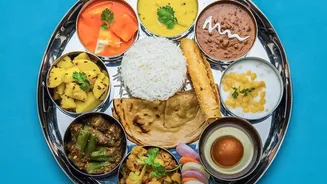
Nowhere is this trend more visible than during Onam. As the 10-day harvest festival culminates with Thiruvonam on August 26th, restaurants in cities like Mumbai, Delhi, and Bangalore are preparing for a massive influx of diners. These aren't just local Malayalis; they are food enthusiasts from neighbouring towns and cities who book flights and hotels to partake in an authentic Onam sadhya. Establishments ranging from humble canteens like Kerala Bhawan in Delhi to five-star fine-diners like Dakshin at ITC Hotels see bookings fill up weeks in advance. The sadhya, an elaborate vegetarian feast with over 20 dishes served on a banana leaf, offers a taste of home for the diaspora and a deep cultural immersion for others. Restaurants like Ammakai in Mumbai and The Leela Ambience Gurugram are creating multi-day celebrations, turning a single meal into a prolonged festive experience.
A Nationwide Festive Feast
This phenomenon extends far beyond Onam. During Durga Puja, Bengali restaurants in Bengaluru like Bhojohori Manna and Esplanade curate elaborate multi-day menus that draw crowds seeking authentic dishes like Kosha Mangsho and Chingri Malai Curry. Similarly, Navratri sees a surge in special 'vrat' or 'satvik' thalis at hotels across the country, attracting observant Hindus and curious foodies alike. Christmas has also become a major driver of culinary travel, with hotels in Delhi, Mumbai, and Goa offering lavish brunches and dinners complete with roast turkey, yule logs, and mulled wine that people plan short holidays around. These festivals provide a framework for restaurants to showcase regional and traditional cuisines that might otherwise be hard to find, creating a powerful draw for diners.
The Restaurant as a Destination
For restaurants, these seasonal menus are more than just a nod to tradition; they are a powerful marketing tool. Limited-time offerings create a sense of urgency and exclusivity, driving both footfall and online engagement. By curating authentic and high-quality festival menus, restaurants build a reputation that transcends their immediate locality. Pop-ups and collaborations have also become popular, with chefs and restaurants travelling to different cities to showcase their food. For instance, Gurugram's Comorin has held pop-ups in Jaipur and Kolkata, giving diners a chance to experience their celebrated regional Indian menu without having to travel themselves. These events generate immense buzz and solidify the restaurant's status as a culinary destination worth travelling for.
More Than Just a Meal
So, what truly motivates someone to travel hundreds of kilometres for a meal? For many, it's a powerful sense of nostalgia—a way to connect with the flavours of their childhood and heritage, especially if they live away from home. For others, it’s a form of cultural tourism, offering a delicious and accessible entry point into India's diverse traditions. The food itself is a huge draw; replicating a 29-dish sadhya or a perfectly spiced Kosha Mangsho at home is a daunting task for most. These restaurant-led celebrations offer a convenient, high-quality, and immersive experience. It represents a deeper engagement with food, where a meal is not just sustenance, but an event, a memory, and a destination in its own right.