

The Foundation: Quick-Dry Layers
The golden rule of monsoon trekking is simple: cotton is the enemy. It absorbs moisture, gets heavy, and takes forever to dry, leaving you cold and uncomfortable. Instead, build your wardrobe around synthetic, quick-dry fabrics. Start with a moisture-wicking
base layer, like a polyester t-shirt, which pulls sweat away from your skin. For your main trekking attire, choose quick-dry trek pants. These are lightweight and won't bog you down when they get wet. Many trekkers find convertible pants that zip off into shorts practical for changing conditions. Finally, a lightweight fleece or synthetic mid-layer is crucial for warmth during breaks or in the evenings, as temperatures can drop suddenly at higher altitudes.
Footwear: Your Most Critical Gear
Your feet are your most valuable asset on a trek, and the right footwear is non-negotiable. Invest in a pair of waterproof trekking shoes with high ankle support and a robust grip. The trails will be muddy, slippery, and uneven, so traction is paramount. While 'waterproof' is the goal, expect some water to get in during heavy downpours or stream crossings. The solution is in your socks. Pack multiple pairs of synthetic or wool socks that wick moisture away. Avoid cotton socks at all costs, as they lead to blisters. It's also wise to carry a pair of lightweight sandals or floaters for evenings at the campsite, allowing your feet and shoes to dry.
Mastering the Art of Waterproofing
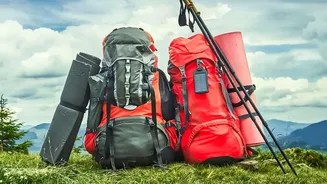
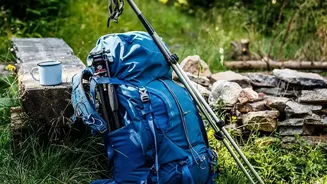
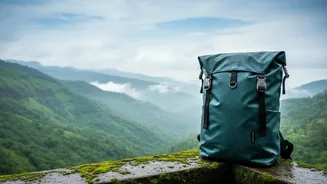
Keeping yourself and your gear dry is a multi-layered strategy. First, your backpack needs a reliable rain cover. For complete protection, line the inside of your rucksack with a large, heavy-duty plastic bag or a dedicated pack liner. This creates a secondary barrier against moisture. For your most valuable items—electronics, a wallet, and personal documents—use smaller waterproof dry bags or even simple zip-lock pouches. A high-quality poncho is another excellent investment; it can cover both you and your backpack, offering an encompassing shield during a sudden downpour.
The Uninvited Guest: Dealing with Leeches
In many of India’s monsoon-drenched forests, leeches are an unavoidable reality. While mostly harmless, they can be a nuisance. Prevention is the first step. Wearing light-coloured clothing helps you spot them more easily. Tuck your trek pants into your socks to create a barrier. You can also buy specialised 'leech socks'. Some trekkers apply repellents or homemade solutions of salt water or diluted antiseptic liquid on their shoes and socks. If a leech does attach, don't panic or pull it off forcefully, as its mouthparts can remain in the skin. Instead, sprinkle a bit of salt or use a hand sanitizer on it, and it will detach on its own. Always clean the bite area with an antiseptic afterwards.
Health, Safety, and Other Essentials
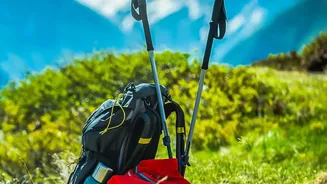
A well-stocked first-aid kit is essential for any trek. Yours should include basics like antiseptic wipes, bandages of various sizes, blister pads or moleskin, pain relievers, and any personal medications. Also pack insect repellent, sunscreen (the sun can be strong between showers), and oral rehydration salts (ORS) to combat dehydration. A trekking pole provides crucial stability on slippery descents and reduces strain on your knees. A headlamp or torch with extra batteries is a must, as it can get dark quickly in the hills or inside a forest canopy. Finally, a power bank for your phone and a whistle for emergencies are small items that provide significant peace of mind.