





What Exactly Is Destination Gatekeeping?
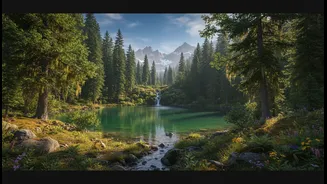
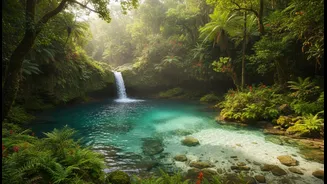
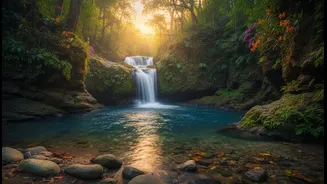
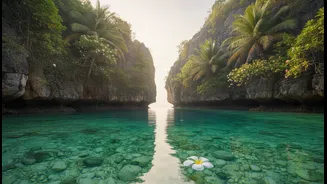
Destination gatekeeping is the conscious decision by travellers, locals, and influencers to not publicly share the exact location of a beautiful, remote, or sensitive place. This often means avoiding specific geotags on social media platforms like Instagram
and TikTok, or being deliberately vague in captions. It’s a digital version of keeping a secret spot secret. The practice stems from a desire to protect these locations from the negative impacts of social media-fuelled popularity. In an age where a single viral video can turn a quiet corner of the world into a crowded hotspot overnight, gatekeeping is seen by some as a necessary act of preservation. The aim isn't necessarily about selfishly hoarding a beautiful view, but about conservation and preventing a cherished place from being loved to death.
The Case for Keeping Quiet
The primary argument for destination gatekeeping is the fight against overtourism. When a location goes viral, the sudden influx of visitors can overwhelm local infrastructure and fragile ecosystems. This leads to soil erosion, destruction of plant life, and disruption of wildlife. We’ve seen this happen globally, from a Canadian sunflower farm that had to close after 7,000 people arrived in one day, to once-quiet spots like Iceland's Fjaðrárgljúfur canyon and Arizona's Horseshoe Bend becoming inundated with tourists seeking the perfect photo. Residents of popular areas, like Goa’s Latin Quarter, also face disruption, noise, and a loss of privacy, with some even putting up signs asking tourists not to take photos. Proponents of gatekeeping argue that by not geotagging, they are helping to preserve the natural beauty and local culture that made the place special in the first place, and protecting wildlife from poachers who have used geotags to track animals.
The Arguments Against Secrecy
However, the practice of destination gatekeeping is not without its critics. Many argue that it is elitist, creating an exclusive club for those who have already discovered a place. The argument is that many influencers who now gatekeep locations likely found those spots through social media themselves, making it hypocritical to deny others the same opportunity. Critics also point out that gatekeeping can harm local economies that depend on tourism. For many small communities, attracting visitors is a lifeline, and withholding location information can prevent them from benefiting. Furthermore, some believe that hiding locations is futile, as a dedicated person can usually find a spot with a bit of online research. Instead of promoting secrecy, they argue the focus should be on educating travellers about responsible tourism and respecting the places they visit.
Finding a Responsible Middle Ground
The debate over destination gatekeeping highlights a central tension in modern travel: the desire to share beauty versus the need to protect it. Rather than a simple 'to tag or not to tag' dilemma, a more nuanced approach is emerging. Many ethical travellers now opt for a middle path. This could mean tagging a general area, like a state or region, instead of a precise trail or landmark. This inspires travel to the area without funnelling everyone to a single, vulnerable point. Another approach is to use social media to promote responsible behaviour. Instead of just posting a pretty picture, creators can share information about Leave No Trace principles, encourage off-peak travel, and highlight the importance of respecting local communities. Some tourism boards are even using geotag data to manage crowds, redirecting visitors from busy areas to quieter, nearby attractions. The ultimate goal is to shift the focus from simply capturing a destination for content to mindfully experiencing and preserving it.