







Understanding the Enemy: Humidity
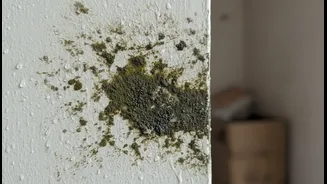
The primary reason homes feel and smell different during the rainy season is the dramatic increase in atmospheric moisture. When this humid air gets trapped indoors with limited airflow, it creates ideal conditions for mould and mildew to grow on walls,
furniture, and in closets. This not only leads to a persistent damp smell but can also damage your belongings and negatively affect indoor air quality, potentially aggravating allergies and respiratory issues. Simply masking the odour with air fresheners is a temporary fix; the key is to tackle the root cause by controlling the moisture inside your home.
Let Your Home Breathe
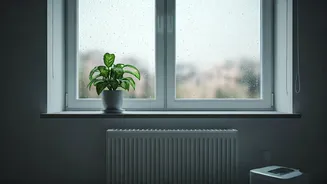
Ventilation is your most powerful, and cheapest, weapon against dampness. It might seem counterintuitive to open windows during the monsoon, but it's crucial for air circulation. Seize dry spells, even brief ones, to open windows on opposite sides of the house to create a cross-breeze. This simple act pushes the stale, humid air out and pulls fresher, drier air in. For rooms with only one window, open the door and place a fan facing outwards to help expel the moist air. Don't forget your exhaust fans; run them in the kitchen and bathroom for longer than usual to effectively remove moisture-laden air.
Embrace Natural Dehumidifiers
You don't need expensive gadgets to fight humidity. Many common household items are excellent at absorbing excess moisture from the air. Place bowls of rock salt or baking soda in damp corners, wardrobes, and bookshelves. Both are hygroscopic, meaning they naturally attract and absorb water from the environment. Activated charcoal is another fantastic option; its porous surface effectively traps moisture and neutralises odours. You can place charcoal briquettes in a breathable bag or a container with holes. For smaller enclosed spaces like drawers and shoe racks, silica gel packets are perfect. These natural solutions are an inexpensive and eco-friendly way to keep humidity in check.
Protecting Wardrobes and Furniture
Closets are particularly vulnerable to mustiness. Ensure clothes are completely dry before storing them, as even one slightly damp item can create a problem. To improve airflow, avoid overstuffing your wardrobes. Placing moisture absorbers like silica gel, camphor, or small pouches of dried neem leaves can protect your clothes and leave them smelling fresh. For wooden furniture, regular wiping with a dry cloth is essential. Try to maintain a small gap between large furniture pieces and the walls to allow for air to circulate, preventing mould from growing in these hidden spots. Polishing wooden furniture can also create a barrier against moisture.
Winning the Battle Against Mould
If you spot the beginnings of mould, act fast. A simple spray made of equal parts white vinegar and water can be very effective. Spray it on the affected area, let it dry, and then wipe it clean. Regular inspection of high-risk areas like bathrooms, kitchens, and corners behind furniture is key to catching it early. Adding a few drops of a natural disinfectant like tea tree oil to your mopping water can also help inhibit fungal growth on floors. Remember to fix any leaks in your roof or pipes immediately, as this is often a major source of dampness inside the home.