



Why Pot Depth is a Game-Changer
Choosing a container for your plant can feel like a purely aesthetic choice, but the dimensions of a pot, especially its depth, are critical to your plant’s health. The pot is your plant’s entire world; it provides the soil, moisture, and nutrients necessary
for survival. A pot that’s too shallow for a plant’s root system can lead to a host of problems. Roots may become cramped and circle the bottom, a condition known as being 'root-bound'. This restricts the plant's ability to absorb water and nutrients, stunting its growth and reducing your final harvest. Conversely, a pot that is too large and deep can hold excess water that the roots can't use, leading to waterlogged soil and the risk of root rot. Getting the depth right ensures a healthy balance, giving roots the space they need to expand and anchor the plant firmly while allowing for proper drainage and aeration.
A Simple Guide to Container Depths
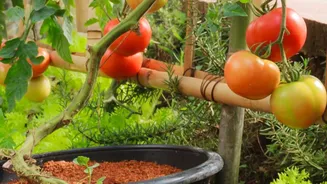
Matching the plant to the right pot size is a simple science. You can generally group plants and their container needs into three broad categories based on their root systems. Shallow Containers (6-8 inches deep): These are perfect for plants with fibrous, shallow root systems. Think leafy greens and quick-growing herbs. Plants like spinach, lettuce, coriander, mint, basil, radishes, and most salad greens will be perfectly happy in these smaller pots. They don't need a lot of vertical space to thrive and are ideal for window boxes and smaller balcony spaces. Medium Containers (10-12 inches deep): This is the versatile mid-range, suitable for many popular vegetables that develop more substantial roots. Plants like beans, brinjal (eggplant), peppers (chillies), and okra do well in this size. A pot with at least a 10-inch depth gives the taproot enough room to develop properly without stunting the plant's growth. This size is a great all-rounder for any container garden. Deep Containers (18 inches or more): These large pots are reserved for the heavy feeders and deep-rooted vegetables. Tomatoes, cucumbers, and gourds like lauki (bottle gourd) and karela (bitter gourd) need significant space for their extensive root systems to support their vigorous vine growth and fruit production. Growing these larger plants in smaller pots is a common mistake that leads to disappointment and a poor yield.
Top Vegetables to Sow in August
August is an excellent month for sowing a variety of vegetables that thrive in the warm, humid conditions that linger after peak monsoon. Okra, or bhindi, is a reliable monsoon crop that is easy to grow from seed. For container gardeners, a pot that is at least 10-12 inches deep will ensure a healthy plant. Radishes are a quick and rewarding crop, perfect for shallower pots of about 6-8 inches in depth. Beans, both French and cluster beans (gwar), also do very well when sown this month. Bushy varieties are great for medium-sized pots. For those with more space and deeper containers, various gourds like bottle gourd, bitter gourd, and even pumpkin can be started now. Other great choices for August include tomatoes, brinjal, and leafy greens like spinach and amaranthus.
Don't Forget the Flowers
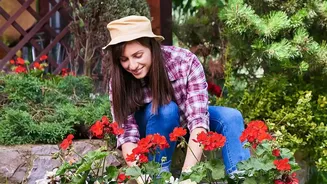
August sowing isn’t just for vegetables. This is also the perfect time to plant flowers that will bloom beautifully through the upcoming festival season. Marigolds are a classic choice, culturally significant and easy to grow in medium-sized pots. For a splash of vibrant, low-effort colour, zinnias and cosmos are hard to beat. These fast-growing annuals thrive in the post-monsoon climate and will attract butterflies to your balcony or garden. They perform well in pots that are 8-10 inches deep. Other colourful options to consider sowing in August include balsam, sunflowers, and portulaca.
Beyond Depth: Drainage and Material
While depth is key, two other container factors are crucial: drainage and material. No matter the size, every pot must have drainage holes. Without them, water will pool at the bottom, suffocating roots and leading to rot. If your chosen decorative pot lacks holes, you can drill them yourself or use it as a cachepot, placing a smaller plastic pot with drainage inside it. The material of the pot also matters. Traditional terracotta or clay pots are porous, allowing air and moisture to move through the sides. This helps keep the soil cool but also means they dry out faster. Plastic or glazed ceramic pots are non-porous and retain moisture for longer, which can be an advantage in hot weather but requires more careful watering to avoid waterlogging.