

The Soul of Pattachitra
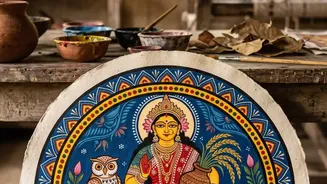
At the core of Odisha’s artistic identity is Pattachitra, a tradition of scroll painting that dates back over a thousand years. The name itself, from the Sanskrit words 'patta' (cloth) and 'chitra' (picture), describes the art form: intricate, devotional
paintings on a specially prepared cloth canvas. Historically linked to the rituals of the Jagannath Temple in Puri, these paintings are known for their bold outlines, detailed floral borders, and mythological narratives, especially stories of Lord Jagannath and Krishna. What makes Pattachitra truly unique is its complete reliance on natural materials. Artists, known as 'Chitrakars', prepare the canvas by coating cotton cloth with a mixture of chalk and tamarind seed gum. The vibrant pigments are also sourced from nature: white from powdered conch shells, black from lamp soot, and a spectrum of reds and yellows from mineral stones. Each painting is a painstaking labour of love, preserving stories and techniques passed down through generations.
Raghurajpur: A Village of Artists
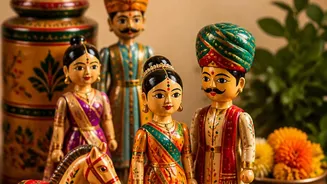
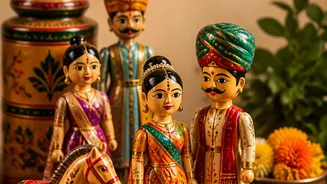
To truly experience Pattachitra, one must visit Raghurajpur. Located just 14 kilometres from Puri, this village is recognised as Odisha's first heritage crafts village. A walk through Raghurajpur is like stepping into a living museum where every home is an artist's studio and gallery. The walls of the houses are adorned with colourful murals, offering a vibrant preview of the creativity that lies within. Here, entire families are engaged in craft-making, preserving not only Pattachitra but also other art forms like palm leaf engraving ('Tala Pattachitra'), wood carving, and creating papier-mâché toys. Visitors have the unique opportunity to sit with the artisans, watch them meticulously at work, and learn about the stories and symbolism behind their creations. This direct interaction allows for a deeper appreciation of the skill and devotion poured into every piece.
Pipili's Riot of Colours
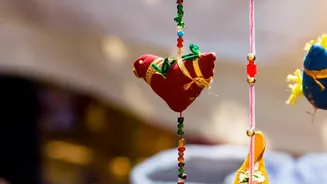
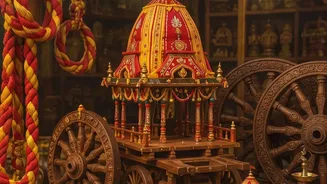
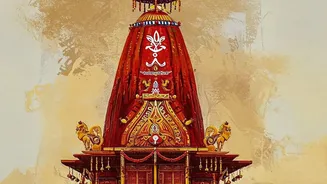
A short drive from Bhubaneswar lies the town of Pipili, famous for its appliqué work, known locally as 'Chandua'. This craft involves stitching brightly coloured pieces of fabric onto a base cloth to create elaborate patterns and images. The streets of Pipili are a kaleidoscope of colour, lined with shops selling everything from large decorative umbrellas and canopies to handbags, lampshades, and wall hangings. Like Pattachitra, this art form has deep roots in the Jagannath cult, where its products are used to decorate the chariots for the annual Rath Yatra. The craft showcases incredible dexterity, with artisans creating vibrant designs of animals, flowers, and deities that are both traditional and adapted for modern use.
Metal, Silk, and Stone
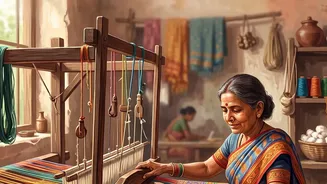
Odisha's craft story extends far beyond painting and textiles. The state is also home to the ancient metal-casting technique of Dhokra, a 'lost-wax' method used for over 4,000 years. Tribal artisans create stunning figurines, jewellery, and decorative items from brass, each piece unique with its rustic charm and intricate wire-like patterns. The region is also renowned for its handloom textiles, particularly the Sambalpuri Ikat sarees, where threads are tie-dyed before being woven into complex, beautiful patterns. Furthermore, the legacy of the master builders who created the state's magnificent temples lives on in the stone carving tradition. Artisans continue to chisel intricate sculptures and decorative items, echoing the divine art that adorns temples like Konark and Lingaraja.
A Guide for the Conscious Traveller
Engaging with Odisha's craft traditions offers a deeply rewarding travel experience. To make the most of it, plan a visit between October and March when the weather is pleasant. When visiting villages like Raghurajpur, remember that you are entering people's homes. Always be respectful, and ask for permission before taking photographs of artists or their work. Buying directly from the artisans is the best way to ensure they receive the full benefit of their skill and hard work. Look for the signs of authenticity in Pattachitra: the stiff, leathery feel of the prepared cloth, the intricate borders, and the matte finish of natural colours. This is not just a shopping trip; it's a chance to connect with a living history and take home a piece of a timeless cultural legacy.