





The Domino Effect of a Single Delay
It starts with a single notification: your morning flight is delayed by 90 minutes. It seems manageable, but this one change can trigger a cascade of problems. That delay means you miss the pre-booked taxi at your destination. By the time you land and find
another, rush-hour traffic has built up, turning a one-hour drive into three. You arrive at your hotel just as the sun sets, exhausted and too late for the evening trek you had planned. This domino effect is the central challenge of monsoon travel. Transport networks in India operate with very little slack. A single disruption—a waterlogged runway, a flooded railway track, or a landslide on a key highway—doesn't just affect one journey; it sends ripples across the entire system, impacting countless other tightly linked schedules.
Why Monsoon Flights Are Unpredictable
It's a common misconception that rain itself cancels flights. Modern aircraft are built to fly in heavy precipitation. The real culprits are the associated weather phenomena: thunderstorms, severe turbulence, and lightning. For safety, ground operations like refuelling and baggage handling must halt during lightning storms. The biggest factor for delays, however, is reduced visibility and wind shear—sudden changes in wind speed and direction near the ground—which make landings unsafe. When conditions force an aircraft to circle, it burns extra fuel and time. Because airlines rely on tight rotations where one aircraft flies multiple routes a day, a 90-minute delay in the morning isn't absorbed; it’s passed on to every subsequent flight that plane is scheduled to operate, causing backlogs that can last all day.
The Slow Crawl of Monsoon Trains
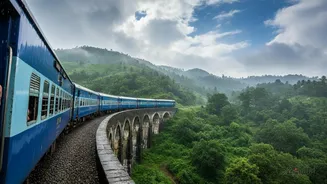
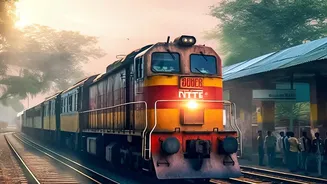
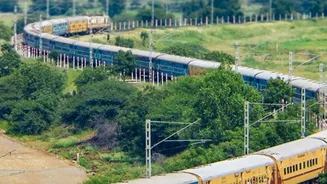
The Indian Railways network is one of the busiest in the world, with passenger and goods trains often sharing the same tracks. This high density means that when one train slows down, others behind it are forced to do the same. During the monsoon, delays are common. Heavy rains can flood tracks or weaken the ground beneath them, forcing speed restrictions. In hilly areas, the risk of landslides can halt services entirely. Beyond weather, there are operational priorities. Express services like the Rajdhani or Shatabdi are often given precedence, which can push your own train onto a siding to let them pass, adding unexpected waiting time. Just like with flights, a late-arriving train at its destination causes a delay for its return journey, as it still requires cleaning and maintenance before it can depart again.
The Hidden Dangers of a Rainy Road Trip
A road trip through the misty, green landscapes of the monsoon is undeniably romantic, but it demands caution. Rain dramatically changes driving conditions. Visibility drops, and wet roads increase braking distances. What appears to be a shallow puddle could be hiding a deep, tyre-bursting pothole or an open drain. In hilly regions, the risk is even greater, with the constant threat of mudslides and falling rocks. Even on well-maintained highways, waterlogging can bring traffic to a standstill for hours. This is why experienced monsoon drivers reduce their speed, maintain a significant distance from the vehicle ahead, and avoid driving at night when hazards are harder to spot.
Your Smart Traveller's Monsoon Toolkit
You can’t control the weather, but you can control how you prepare for it. The key is to plan for disruption, not for perfection. First, build buffer days into your itinerary. Avoid scheduling a critical meeting or a connecting international flight the same day you're travelling domestically. Second, stay informed by using reliable weather apps to track conditions not just at your destination, but along your entire route. Third, pack smart. Choose synthetic, quick-drying clothes over cotton and jeans. Keep a waterproof bag or cover for your backpack and electronics. Finally, have a Plan B and C. Download books or movies for long waits and carry a power bank. Knowing your rights as a passenger regarding cancellations and long delays can also help you navigate the situation calmly.