



The New 'Cool' in Town
In the bustling cafes and minimalist kitchens of urban India, a new drink is capturing the imagination of the youth. Cold-brewed botanical infusions, or herbal teas, are emerging as a chic and sophisticated alternative to both sugary iced teas and hot
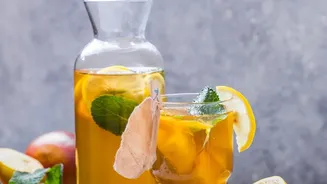
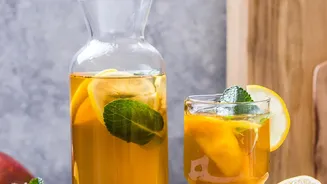
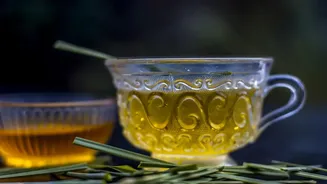
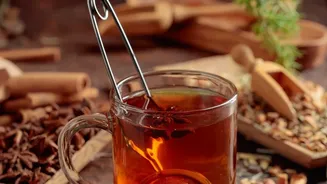
beverages. Unlike conventional iced tea, which involves brewing tea hot and then cooling it down, cold brewing is a slow, patient process. Herbs, flowers, and spices are steeped in cold or room-temperature water for anywhere between 6 to 12 hours. This gentle infusion method extracts the delicate flavours without the bitterness and astringency that can come from hot water, resulting in a smoother, naturally sweeter, and more nuanced drink.
A Sip of Slow Wellness
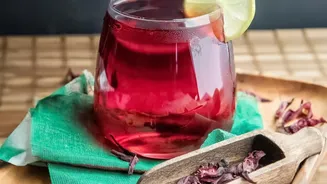
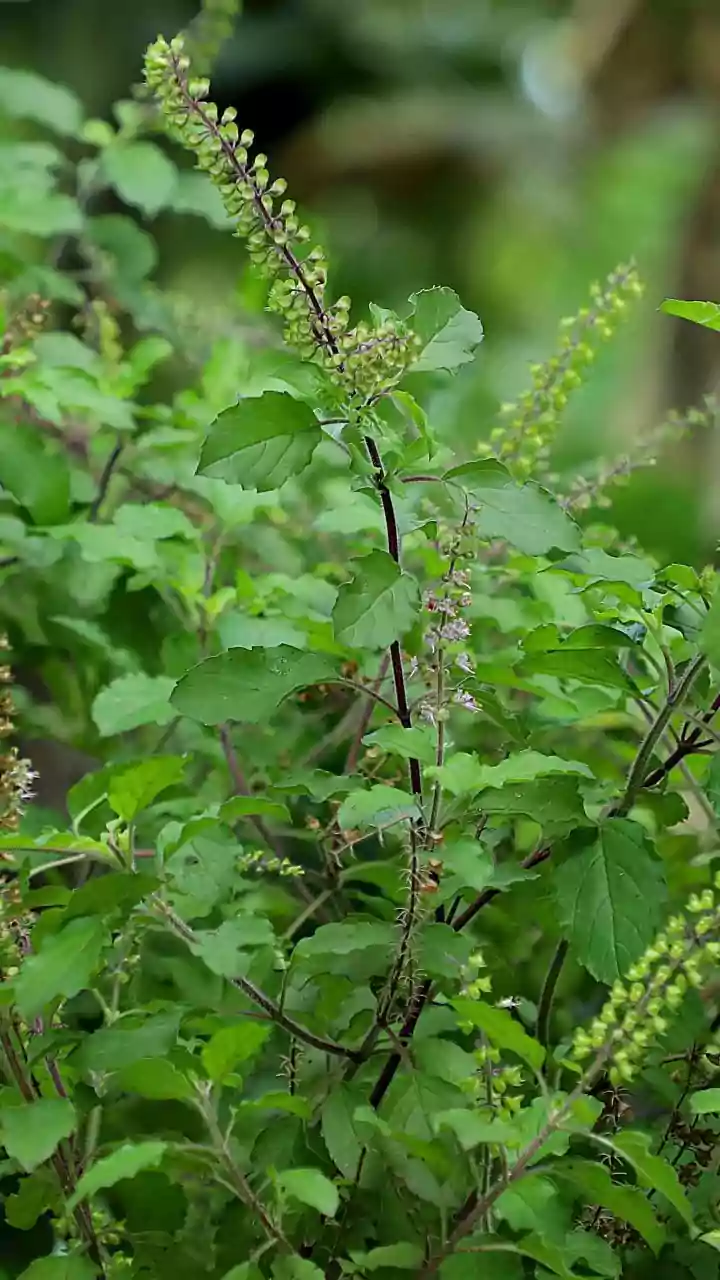
The appeal of cold-brewed herbal tea goes far beyond its refreshing taste. For a health-conscious generation, it represents a move towards mindful consumption. Gen Z consumers in India are increasingly exploring non-alcoholic beverages that offer functional benefits and align with a wellness-focused lifestyle. Cold brewing is believed to preserve more of the delicate, heat-sensitive antioxidants found in many herbs. Brands and home-brewers are using a vibrant palette of botanicals known for their wellness properties. Hibiscus, with its tartness and rich colour, is a popular choice, along with calming chamomile, refreshing peppermint, and adaptogenic holy basil (tulsi). This makes each glass not just a drink, but a functional, nourishing experience.
The Urban Youth Connection
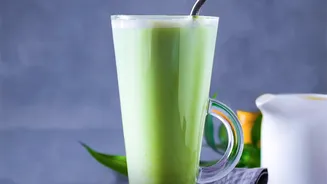
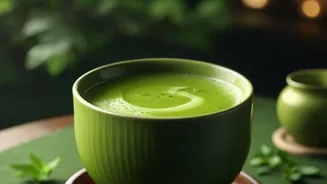
So, why has this trend resonated so strongly with city youth? The reasons are a blend of cultural shifts and modern habits. Firstly, there's the aesthetic appeal. A glass of ruby-red hibiscus or deep blue butterfly pea tea is visually striking and perfectly suited for social media feeds, where wellness and curated aesthetics reign supreme. Secondly, it aligns with a growing 'sober curious' movement, where young people are drinking less alcohol and seeking interesting, complex non-alcoholic alternatives for social situations. Thirdly, it taps into a desire for authenticity and natural ingredients, a clear move away from processed drinks with artificial flavours and high sugar content. This generation is adventurous, with a significant portion exploring multiple new beverage types, making them the perfect audience for such innovations.
A Booming Cottage Industry
The rising popularity of botanical infusions has spurred a wave of innovation among direct-to-consumer (D2C) brands in India. Companies like Karma Kettle, Blue Tea, and Teafit are catering directly to this new market of discerning drinkers, offering curated blends and high-quality loose-leaf herbs perfect for cold brewing. These brands often emphasise sustainable sourcing and natural ingredients, further connecting with the values of their young customer base. The trend is not just limited to pre-packaged products; cafes in metropolitan hubs are adding artisanal cold brews to their menus, while guides for making perfect cold brew at home are becoming increasingly common. The simplicity of the process—requiring just a jar, water, and herbs—makes it an accessible entry point into the world of artisanal beverages.