





What Are Sodium-Ion Batteries?
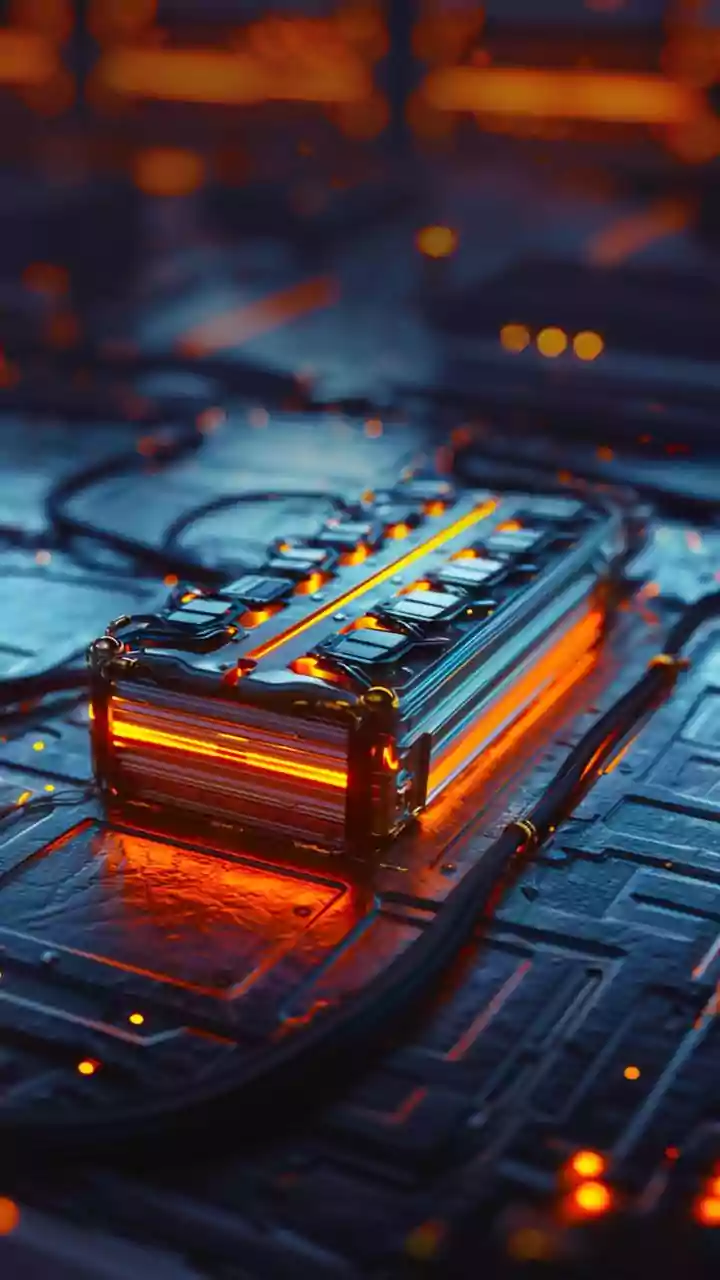
Sodium-ion batteries are a type of rechargeable battery that uses sodium ions as its charge carriers, much like lithium-ion batteries use lithium ions. The fundamental principle is similar: ions move from a cathode to an anode during charging and back
again during discharge to produce electricity. The crucial difference lies in the core material. Sodium is one of the most abundant elements on Earth, found readily in common salt. This stands in stark contrast to lithium, which is scarce, geographically concentrated in a few countries, and subject to volatile pricing and supply chain disruptions. This simple substitution has profound implications for cost and energy security.
The Cost Advantage
The primary driver behind the buzz for sodium-ion technology is its potential for significant cost reduction. Lithium-ion batteries can account for 40-50% of an electric vehicle's total cost, creating a major barrier for budget buyers. Sodium, being hundreds of times more abundant than lithium, offers a dramatically cheaper raw material. Projections suggest that sodium-ion batteries, once produced at scale, could be 20-30% more economical than their lithium-ion counterparts. Furthermore, they can use aluminium for current collectors on both electrodes, replacing the more expensive copper required in lithium-ion cells, which adds to the savings. This cost-effectiveness is seen as a critical enabler for mass-market EVs in India.
Performance and Safety Trade-offs
While cheaper, sodium-ion batteries do come with trade-offs. Their main disadvantage is lower energy density, meaning they store less energy for their size and weight compared to lithium-ion cells. This makes them less ideal for long-range, high-performance cars where minimising weight is crucial. However, they are a perfect fit for applications where cost is prioritised over extreme range, such as in electric two-wheelers, three-wheelers, and budget-friendly city cars. On the plus side, sodium-ion batteries demonstrate superior safety. They have better thermal stability and are less prone to overheating or fire, a known risk with some lithium-ion chemistries. They also perform better in extreme temperatures and can be fully discharged for transport or storage without damage, unlike many lithium-ion types.
India's Atmanirbhar Bharat Push
The development of sodium-ion technology aligns perfectly with India's goal of 'Atmanirbhar Bharat' or self-reliance. Currently, India is heavily dependent on imports for lithium-ion cells and their critical mineral components, exposing the nation to geopolitical risks and price volatility. By fostering a domestic sodium-ion battery ecosystem, India can leverage its abundant domestic resources. Raw materials like soda ash are plentiful, and the country's robust chemical industry is well-positioned to produce key components. This shift would not only bolster energy security but also create a new, localised value chain, from raw material processing to battery manufacturing, supported by government initiatives like the Production Linked Incentive (PLI) scheme.
Key Players and The Road Ahead
Several Indian companies are making significant strides in this space. Reliance Industries has been aggressively pursuing the technology, acquiring UK-based firm Faradion and fast-tracking the commercialisation of its sodium-ion batteries, with plans for a giga factory in Jamnagar set for 2026. Pune-based KPIT Technologies has also developed its own sodium-ion technology, which it has transferred to Trentar Energy Solutions for commercialisation and manufacturing. Researchers at institutions like the Jawaharlal Nehru Centre for Advanced Scientific Research (JNCASR) are also developing innovative, fast-charging sodium-ion cells. While the technology is incredibly promising, it is still in the early stages of commercial scale-up. Manufacturing yields need to improve, and the supply chain, while promising, still needs to mature to compete with the established lithium-ion ecosystem.