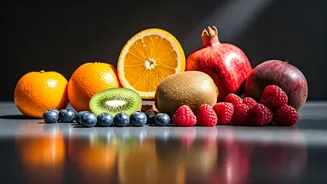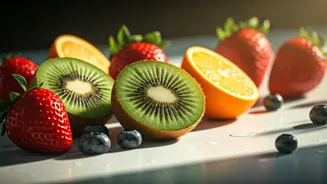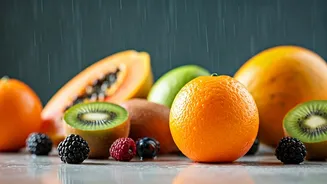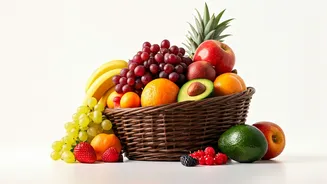



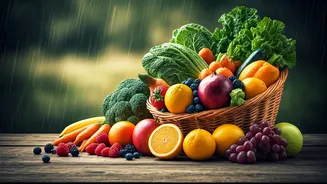
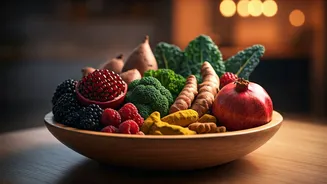
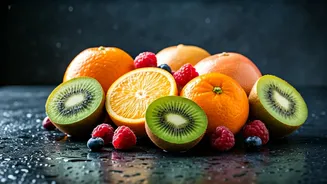


1. Citrus Fruits: The Vitamin C Classics
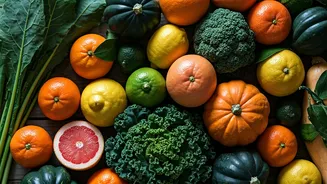
When you feel a tickle in your throat, chances are you reach for something with Vitamin C. There’s a good reason for that. This powerful antioxidant is believed to increase the production of white blood cells, which are key to fighting off infections.
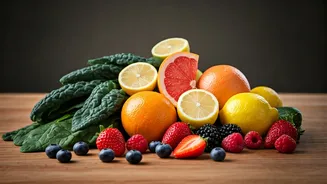
While it may not prevent a cold outright, research suggests a diet rich in Vitamin C can help shorten the duration of an illness. Oranges, grapefruits, clementines, lemons, and limes are all excellent and easily accessible sources. A single medium-sized orange can provide nearly all the Vitamin C you need for an entire day. Squeeze fresh lemon into your water, add grapefruit to your breakfast, or simply peel an orange for a quick and effective immune-supporting snack.
2. Berries: Antioxidant Powerhouses
Don't let their small size fool you; berries are nutritional giants. Blueberries, in particular, contain a type of flavonoid called anthocyanin, which has antioxidant properties and may play a role in supporting the respiratory tract's immune defense system. Strawberries are also packed with Vitamin C—just one cup delivers well over 100% of your daily recommended intake. Elderberries have been used for centuries in traditional medicine to fight infections. While more research is needed, some studies indicate that elderberry extract can inhibit the flu virus's ability to replicate. Whether you enjoy them in a smoothie, on top of yogurt, or by the handful, incorporating a variety of berries is a delicious way to load up on protective compounds.
3. Kiwi: The Nutrient-Dense Dynamo
This fuzzy green fruit is a true superfood when it comes to immunity. Ounce for ounce, kiwi contains more Vitamin C than an orange. But its benefits don't stop there. Kiwis are also a good source of other essential nutrients like potassium, Vitamin K, and Vitamin E, another antioxidant that helps support the immune system. The combination of these nutrients works together to help your body's natural defenses function optimally. Studies have shown that regular consumption of kiwi can support immune function and reduce the likelihood of developing cold or flu-like illnesses, particularly in vulnerable populations. Slice one up for a snack or add it to a fruit salad for a tropical twist.
4. Papaya: A Tropical Boost for Immunity
Another fruit loaded with Vitamin C, a single large papaya can contain more than double your daily recommended amount. Papayas also have a digestive enzyme called papain, which has anti-inflammatory effects. Reducing inflammation is crucial for a healthy immune response, as chronic inflammation can impair the body's ability to fight off pathogens. Furthermore, papaya is a solid source of potassium, magnesium, and folate, all of which have various benefits for your overall health. For a simple and refreshing treat, serve papaya chilled with a squeeze of lime juice.
5. Pomegranate: The Polyphenol Protector
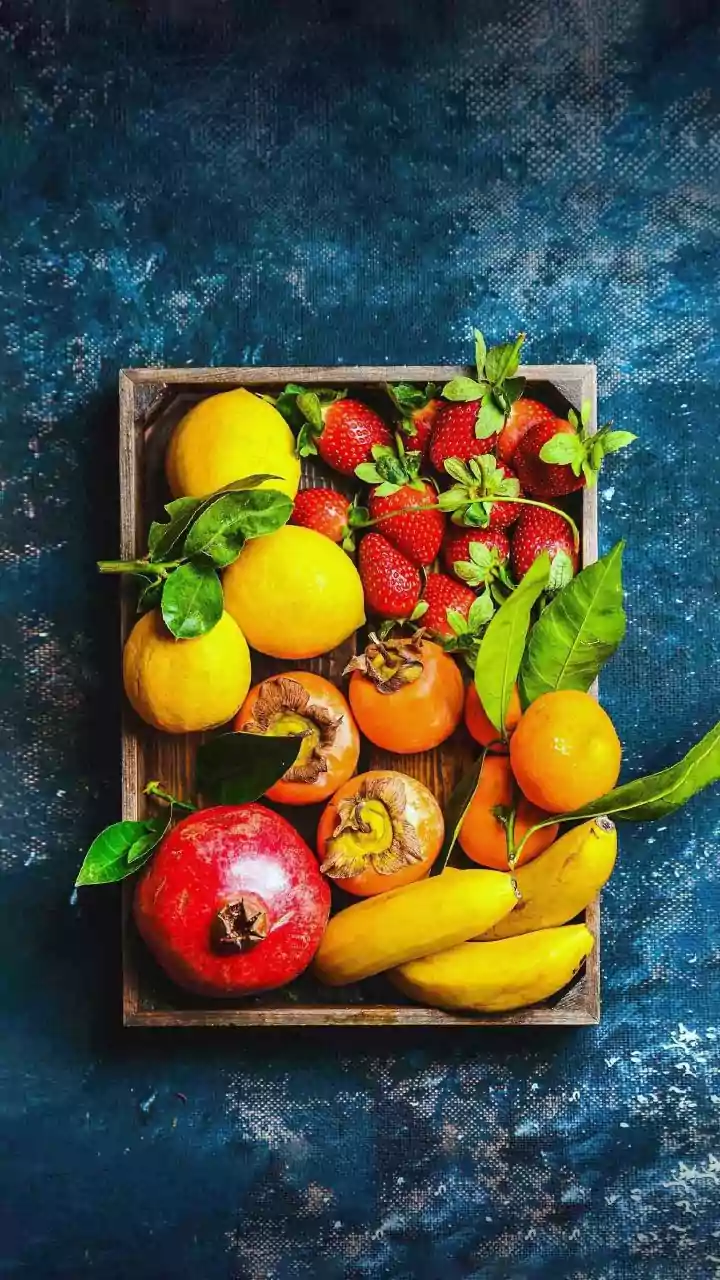
The jewel-like seeds of a pomegranate are filled with some of the most powerful antioxidants found in nature, particularly punicalagins and punicic acid. These compounds give pomegranates potent anti-inflammatory properties and have been shown in lab studies to have antiviral effects, particularly against the flu virus. While drinking pomegranate juice is an easy way to get these benefits, be mindful of the added sugar in many commercial brands. Eating the seeds (known as arils) themselves is the best way to get the full nutritional package, including fiber. Sprinkle them over salads, oatmeal, or yogurt to add a tart, crunchy, and immune-supporting boost to your meals.
6. Red Bell Peppers: The Surprise Contender
While we often treat them as a vegetable in the kitchen, red bell peppers are botanically a fruit—and a surprising champion of immune health. They contain almost three times as much Vitamin C as a Florida orange. They are also a rich source of beta carotene. The body converts beta carotene into Vitamin A, which is critical for maintaining the health of your skin and mucous membranes—your body’s first line of defense against germs. Vitamin A also plays a role in the function of white blood cells. For a simple health boost, enjoy sliced red peppers with hummus or add them to stir-fries and salads.