







Sunder Nursery: A Heritage Paradise
Next to Humayun's Tomb lies Sunder Nursery, a 90-acre heritage park that beautifully marries history with nature. Once a 16th-century Mughal garden, it was revived and opened to the public in 2018. It's now Delhi's first arboretum, boasting over 300 tree
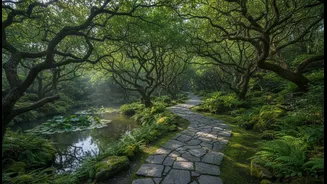
types, some of which are unique to the city. The park features fifteen heritage monuments, including six UNESCO World Heritage sites, set against stunningly landscaped gardens, water features, and a tranquil lake. Stroll along its paths, admire the restored Mughal-era tombs, or simply find a shady spot to relax. The blend of monumental architecture and diverse plant life makes it a perfect escape for history buffs and nature lovers alike.
Lodhi Garden: An Iconic Urban Oasis
A beloved classic for Delhiites, Lodhi Garden is a 90-acre expanse of calm in the heart of the city. It's more than just a park; it's a historical landscape dotted with the impressive 15th and 16th-century tombs of the Sayyid and Lodhi dynasties. The contrast of ancient architecture with lush, rolling lawns, old trees, and vibrant flowerbeds creates a uniquely serene atmosphere. It’s a favorite spot for morning walkers, yoga enthusiasts, families on picnics, and anyone looking for a quiet moment. The well-maintained paths are perfect for a leisurely stroll, and the ample shade provides a welcome break from the summer sun. The garden is open from sunrise to sunset and has no entry fee.
Sanjay Van: A Birder's Wilderness
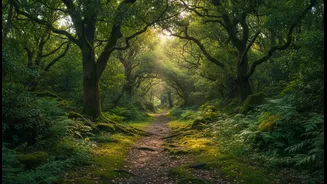
For those seeking a wilder, more rugged experience, Sanjay Van is an ideal choice. Spanning approximately 780 acres, this thickly wooded forest is a part of the Aravalli hills and serves as one of Delhi's most vital green lungs. The forest is a celebrated birding hotspot, with over 222 bird species recorded, including peafowl, kingfishers, and various birds of prey. Its winding trails are popular with walkers and cyclists. The terrain is a mix of regenerating woodland, scrub, and ancient ruins from the Sultanate period. This sprawling urban forest offers a true sense of wilderness and a chance to connect with nature without leaving the city.
Aravalli Biodiversity Park: A Restored Ecosystem
Located on the Delhi-Gurgaon border, the Aravalli Biodiversity Park is a remarkable story of ecological restoration. This 392-acre area, once a barren mining site, has been transformed into a thriving forest featuring native Aravalli vegetation. The park now hosts hundreds of plant species, over 185 bird species, and more than 90 types of butterflies. Well-marked walking and cycling trails allow visitors to explore its diverse habitats. It serves as a living example of conservation and provides a peaceful sanctuary for nature lovers, joggers, and families. The park was recently declared India's first OECM (Other Effective Area-based Conservation Measures) site by the IUCN, recognizing its rich biodiversity.
Asola Bhatti Wildlife Sanctuary: Delhi's Wild Frontier
At the southern edge of the Delhi Ridge lies the Asola Bhatti Wildlife Sanctuary, the city’s largest green space. This sanctuary offers a glimpse into the rugged Aravalli landscape with its semi-arid forests, grasslands, and deep blue lakes formed in abandoned mining pits. Visitors can explore several nature trails of varying difficulty, perfect for birdwatching and spotting wildlife like nilgai (blue bull) and golden jackals. The sanctuary also features a popular butterfly park, home to over 85 species. For a more immersive experience, you can take a vehicle to Neeli Jheel, a stunning lake deep within the forest, offering spectacular views and a true sense of being away from it all.