



A Green Escape From Grey Skies
There's something deeply comforting about the monsoon, but the season can also feel confining. As days are marked by downpours, urban dwellers are finding a simple yet profound way to combat the gloom: by bringing the garden to them. The trend of home
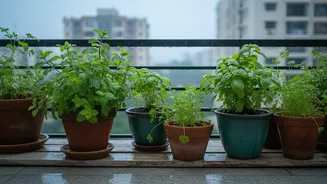
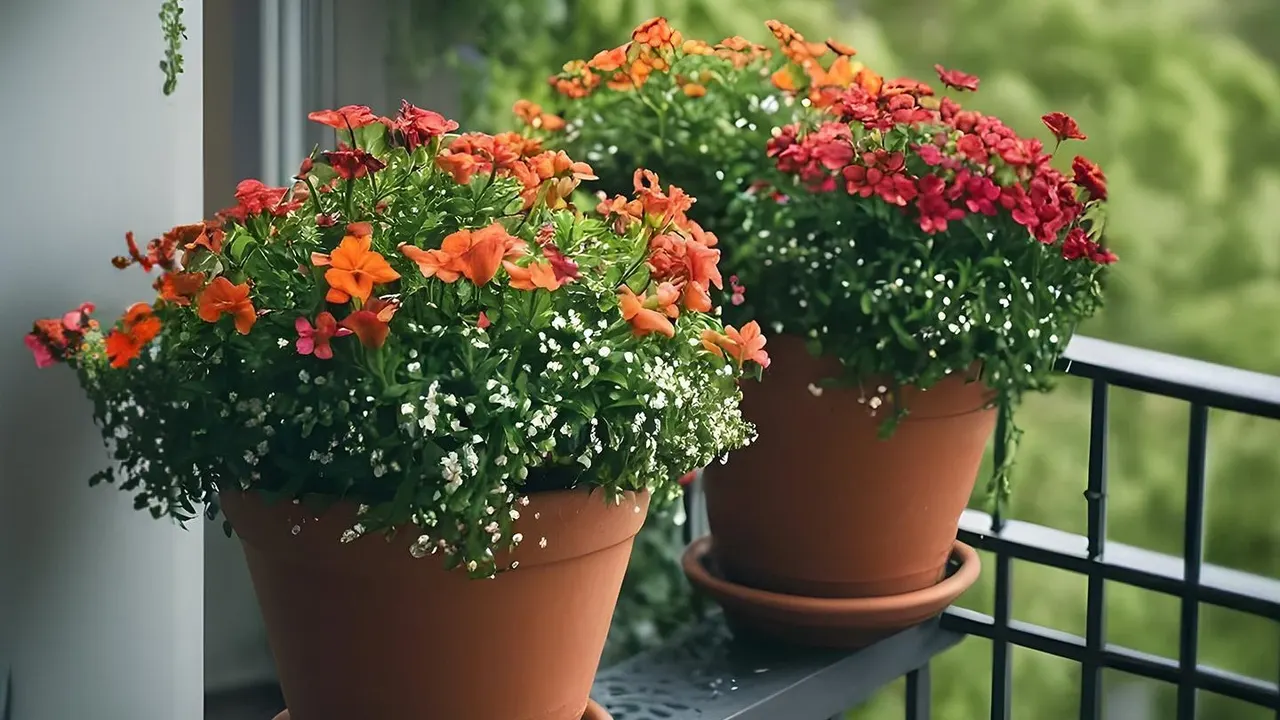
gardening in India is blossoming, with many turning their attention to herbs. A small patch of green on a balcony offers more than just visual appeal; it's a wellness practice. Tending to plants can be a meditative escape from stress, while the scents of fresh herbs like Tulsi and mint can be calming. During a season that naturally encourages faster plant growth, a balcony herb garden becomes a rewarding project that connects people with nature, even in a high-rise apartment.
Your Monsoon Herb Starter Pack
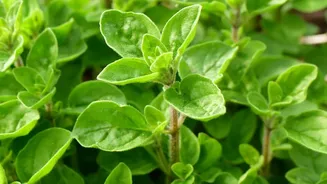
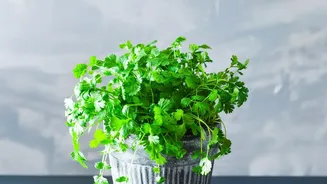
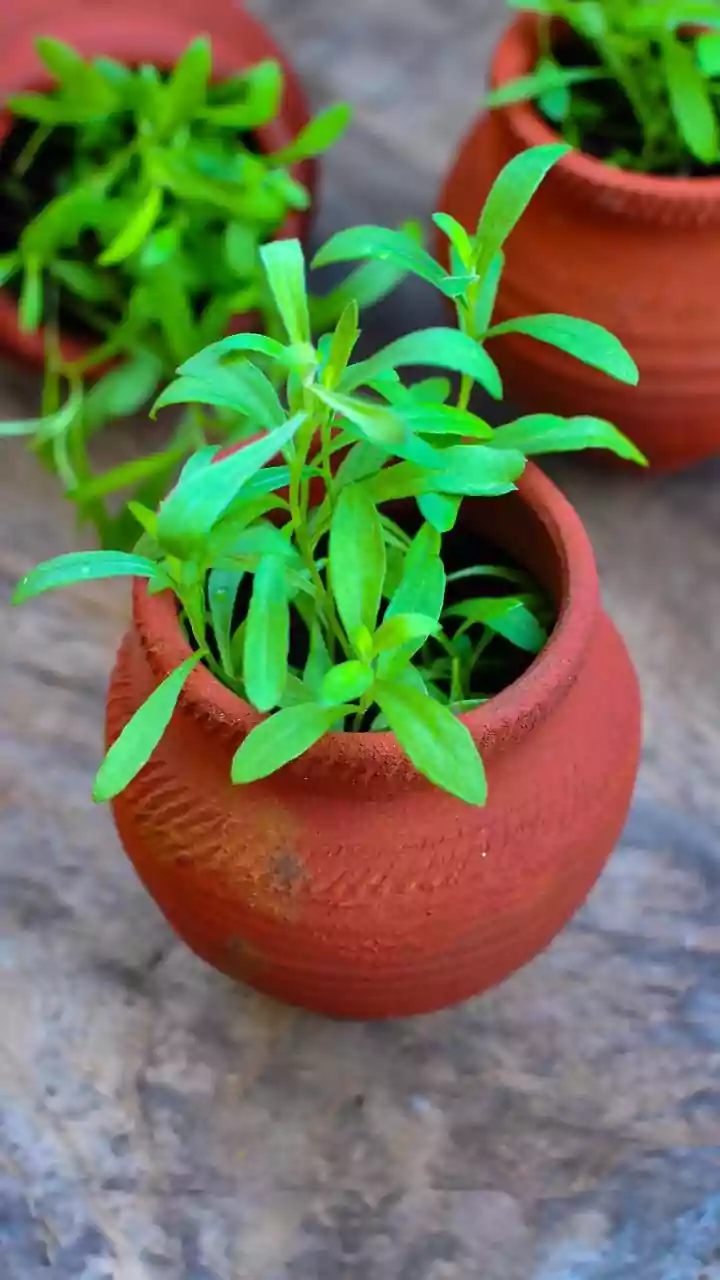
The key to a successful monsoon garden is choosing plants that love humidity and don't mind the occasional drenching. For Indian balconies, several herbs are particularly well-suited to the rainy season. Mint (Pudina) thrives in moist conditions and is famously easy to grow, perfect for teas and chutneys. Tulsi (Holy Basil) is another resilient choice, known for its immunity-boosting properties, which are especially valued during the damp monsoon months. Lemongrass grows vigorously with the extra water, providing fresh stalks for flavouring dishes and teas. Coriander (Dhania) is also a fast-grower in the damp soil of the monsoon, ensuring a steady supply for garnishes. These herbs are generally low-maintenance and grow well in containers, making them ideal for small spaces.
Thriving in the Downpour
The biggest challenge for any monsoon gardener is managing water. While rain is free water, too much of a good thing can lead to root rot. The most critical rule is ensuring excellent drainage. Every pot must have drainage holes at the bottom. To further prevent waterlogging, you can place a layer of pebbles at the base before adding soil or elevate pots on bricks or stands. The soil mix itself should be light and well-draining; mixing regular garden soil with coco-peat or sand can significantly improve its porosity. It’s also wise to avoid watering your plants if it has been raining. Always check the soil first—if the top inch feels dry, then it's time to water.
Guarding Your Greenery
High humidity is a double-edged sword. While it encourages lush growth, it also creates a perfect breeding ground for pests and fungal diseases like powdery mildew. Snails and slugs are common garden pests during the rains. Good air circulation is your best defence; ensure there is adequate space between your pots. Regular pruning not only encourages bushier growth but also helps improve airflow around the plant. Proactively check your plants every few days for any signs of trouble. Many gardeners recommend a preventive spray of neem oil solution, a natural and effective way to deter common pests and fungi.
From Balcony to Plate
The ultimate reward of your gardening efforts is the harvest. Having fresh, organic herbs at your fingertips transforms everyday cooking. Plucking fresh Tulsi leaves for your morning tea, grabbing a handful of mint for a refreshing drink, or snipping coriander to garnish a curry adds an unparalleled level of flavour and freshness. Harvesting regularly is also good for the plants, encouraging them to produce more leaves. Don't be afraid to snip and use your herbs often. This simple act closes the loop, turning your balcony into not just a garden, but a functional extension of your kitchen that provides fresh ingredients and immense satisfaction.