







The Monsoon Travel Gamble
India during the monsoon is a traveller's paradox. The ghats of Kerala and the valleys of Himachal transform into emerald wonderlands, cities wash themselves clean, and off-season prices make dream destinations suddenly affordable. It’s a photographer’s
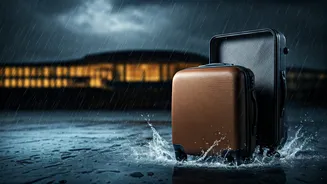
dream and a budget traveller’s delight. But this beauty comes with a catch: unpredictability. A sudden cloudburst can cancel a flight. A landslide in the hills can block a road for days, making your non-refundable hotel booking useless. Heavy rains in Mumbai can lead to city-wide waterlogging, derailing your carefully planned itinerary. This is the inherent risk of monsoon travel. You're betting on clear skies and open roads, and sometimes, you lose. This is where thinking of your booking strategy as a form of insurance becomes a game-changer.
Your 'Policy': Understanding Flexible Bookings
So, what is this 'insurance'? It's the simple act of choosing flexible options when you book flights and hotels. Unlike traditional travel insurance, which requires you to file a claim and prove a loss after the fact, flexible bookings are proactive. They are a pre-paid 'policy' for peace of mind. For a slightly higher upfront cost, you buy the right to change your mind—or have nature change it for you—without a significant financial penalty. This 'premium' might be a few hundred rupees on a flight or a slightly higher nightly rate for a hotel room. In return, you get a powerful 'payout': the ability to cancel, postpone, or alter your trip with minimal fuss. It’s about shifting the risk from your wallet back to the provider, which is exactly what insurance is designed to do.
Decoding Airline Flexibility
When booking flights, the cheapest, non-refundable ticket is tempting. During the monsoon, it's a trap. Instead, look for 'flex' or 'flexible' fare options offered by almost all domestic airlines like IndiGo, Vistara, and Air India. These fares typically allow you to change your travel dates for free or for a much-reduced fee. Some even allow for cancellation with the amount returned to you as a credit shell or, in rare cases, a refund. The key advantage is avoiding the hefty cancellation and change fees that apply to standard fares. If a storm is brewing over your destination city, you can simply postpone your flight by a day or two without forfeiting the entire cost of your ticket. This flexibility is invaluable when a single weather event can ground an entire airport's operations.
The Hotel Safety Net
For accommodation, the principle is the same. Almost every hotel and booking portal, from MakeMyTrip to Booking.com, offers two prices for the same room: a cheaper, 'non-refundable' rate and a slightly more expensive 'free cancellation' rate. Always choose the latter for monsoon trips, especially in hilly or remote regions. A 'free cancellation' policy usually allows you to cancel without penalty up to a certain point, often 24 or 48 hours before check-in. Imagine you're driving to a resort in Uttarakhand and learn that the main road ahead is blocked by a landslide. With a non-refundable booking, you've lost your money. With a flexible one, you simply cancel via the app and re-route to a different town, stress-free. It turns a potential trip-ending disaster into a minor detour.
The Fine Print You Can't Ignore
Of course, 'flexible' doesn't mean a free-for-all. It's crucial to read the terms—your 'policy document'. For flights, a 'free date change' often doesn't cover the fare difference. If the new flight is more expensive, you'll have to pay the difference. For hotels, note the cancellation deadline. 'Free cancellation' might mean free up until a week before, not the day of. Also, understand the difference between a cash refund and a 'credit shell'. A credit shell means the airline or hotel keeps your money, but lets you use it for a future booking, which is less ideal than getting your cash back. Reading these details takes an extra two minutes but can save you from misunderstandings and disappointment. Treat it like you would any insurance policy: know what you're covered for before you need it.