







1. Embrace the Power of the Nook
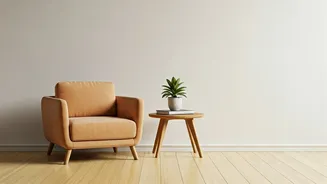
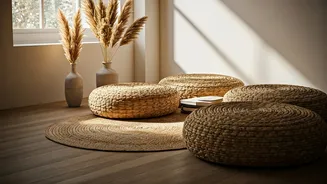
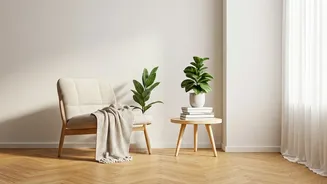
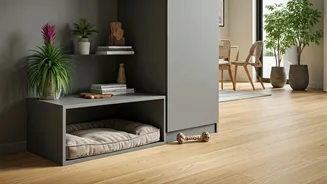
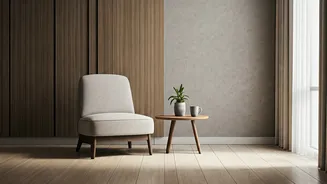
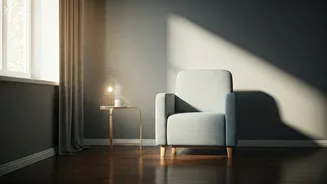
The idea of a 'calm corner' is evolving into a core design principle. It's about intentionally creating small, dedicated zones of tranquility. This could be a comfortable armchair and a lamp by a window, a small floor seating area with cushions for meditation,
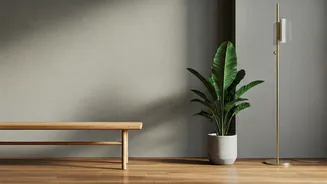
or a simple bench on a balcony surrounded by plants. These 'nooks' are not leftover space; they are designated destinations for unwinding, reading, or simply being. The key is to signal to your brain that this specific spot is for rest. Keep it free of clutter, work papers, and digital distractions. It’s your personal, built-in escape pod from the daily grind.
2. Adopt a Palette of Peace
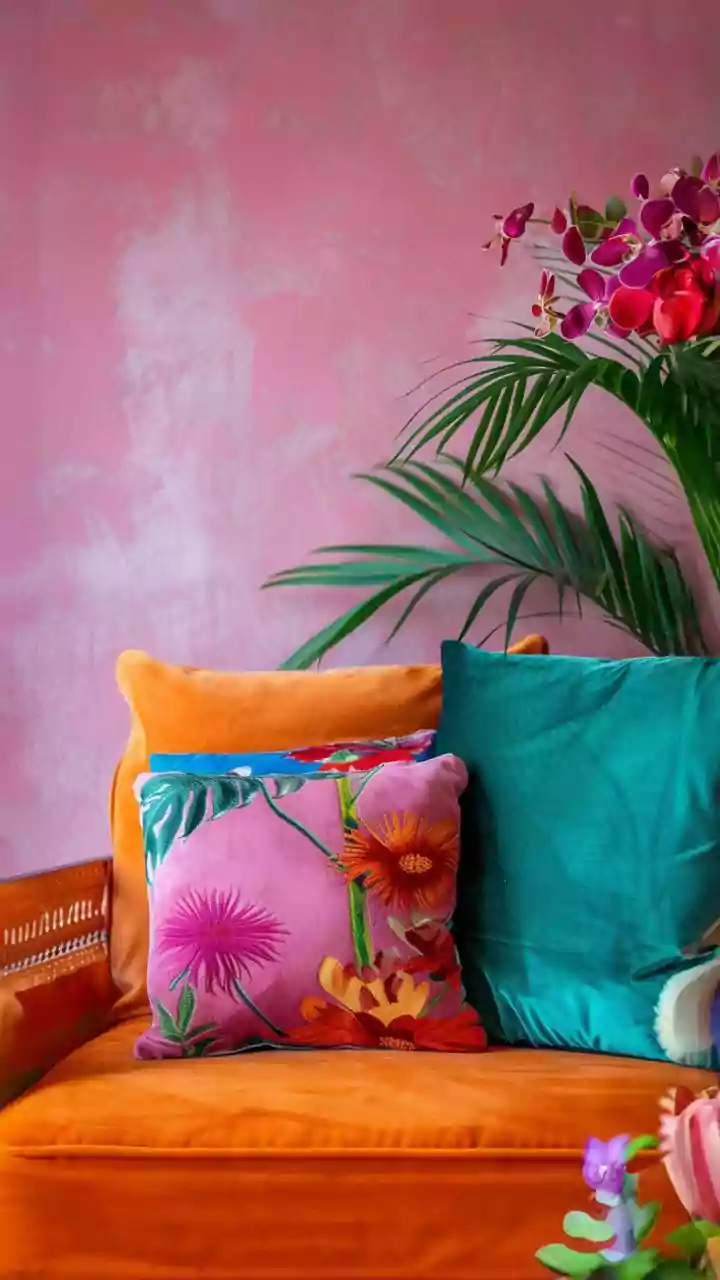
While vibrant colours have a cherished place in Indian culture, the palette for private, restful spaces is softening. Think less of loud, jewel-toned feature walls and more of earthy, nature-inspired hues. Terracotta, muted greens, sandy beiges, and soft greys create a soothing backdrop that doesn't demand attention. These colours mimic the natural world, which has a subconscious calming effect. They also serve as a perfect canvas for treasured art or handcrafted textiles, allowing specific items to shine without creating visual noise. A fresh coat of paint in a calming shade is one of the most cost-effective ways to transform the energy of a room.
3. Welcome Nature Inside
Biophilic design—the concept of connecting with nature indoors—is more than just a trend; it's a wellness strategy. The simplest way to start is with houseplants. They purify the air, add a touch of life, and their green hues are known to reduce stress. But it goes beyond just potted plants. Maximise natural light by using sheer curtains instead of heavy drapes. Use materials like wood, stone, jute, and bamboo in your furniture and decor. These elements provide a tactile and visual link to the outdoors, grounding the space and reminding us of a world beyond our screens.
4. Practise Mindful Minimalism
Minimalism in the Indian context isn't about stark, empty white boxes. It's about 'mindful curation'. It’s not about having less, but about ensuring everything you have brings you joy or serves a purpose. The process starts with decluttering, but thoughtfully. Instead of chasing a spartan aesthetic, focus on creating breathing room. Let go of things that don't hold meaning. This makes space for the items that do—the family heirloom, the art from a local artisan, the handcrafted throw. This approach respects our rich tradition of collecting and inheriting, but frames it with intention rather than accumulation.
5. Layer Textures for Comfort
A visually calm space doesn't have to be cold or boring. The secret to adding warmth and depth without adding clutter is texture. Think of the sensory experience of a room. Layering different materials creates a rich, inviting atmosphere. A soft linen sofa, a hand-knotted woollen rug, a cool marble tabletop, and a chunky knit throw all contribute to a complex sensory experience that feels luxurious and comforting. In India, we have an incredible wealth of textiles to draw from—khadi, cotton, silk, and jute can all be used to build a tactile landscape that soothes the senses.
6. Design Your Lighting
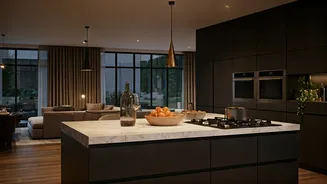
Lighting is often the most overlooked element of interior design, yet it has the biggest impact on mood. Harsh, single-source overhead lighting can create a sterile, office-like environment. The goal is to create pools of warm, gentle light. This is achieved through layering: a combination of ambient (main) lighting, task (for reading or cooking), and accent (to highlight art or a plant) lighting. Use lamps—floor lamps, table lamps, and sconces—with warm-toned bulbs (around 2700K). Dimmers are a fantastic investment, allowing you to adjust the intensity of light to suit the time of day and your mood, transitioning the home from a functional space to a restful haven as evening falls.