









The New Dining Criterion
A new standard is quietly emerging in the world of online food reviews, driven by the values of Gen Z. Beyond the perfect photo of a dish or the hipness of the decor, these digital tastemakers are turning their cameras toward the kitchen itself. Specifically,
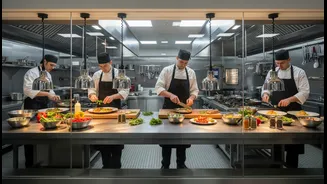
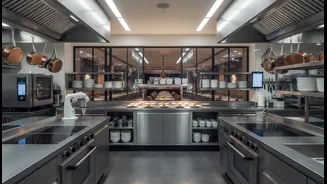
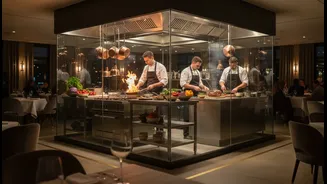
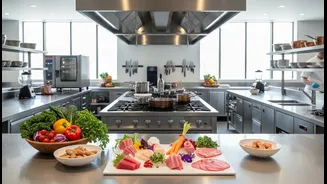
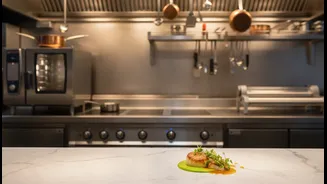
they are celebrating restaurants with open-concept, front-facing, or exhibition kitchens, where the entire cooking process is visible to guests. This isn't just about the theatrical flair of watching a chef at work; it's a conscious choice to promote establishments that operate with transparency. For a generation that grew up with unprecedented access to information, what happens behind the scenes is just as important as what arrives at the table. They value authenticity and are quick to question what they cannot see, making the open kitchen a powerful symbol of trust.
A Window into Food Safety
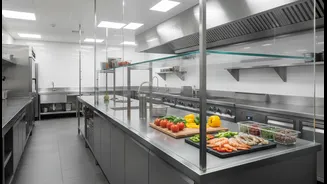
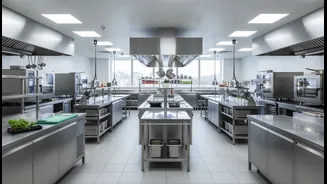
The most significant driver behind this trend is the emphasis on food safety and hygiene. An open kitchen removes the mystery of food preparation. Diners can visually confirm that chefs are following sanitary practices, from wearing gloves to preventing cross-contamination. This visible accountability offers a level of reassurance that a closed door and a health inspection grade simply cannot match. For a generation hyper-aware of everything from ingredient sourcing to allergens, this transparency is non-negotiable. It builds immediate trust and confidence in the quality of the meal. Restaurant operators have noted that open layouts are perceived as more hygienic and can positively influence employee behavior, as staff are aware of the constant customer scrutiny.
Beyond the Plate: Personal Safety
The definition of a 'safe eatery' extends beyond food handling. For many diners, particularly women and those dining alone, personal safety and comfort are paramount. An open-concept restaurant, typically brighter and with more visible staff, can feel less intimidating than a dimly lit space with secluded booths and unseen kitchens. The general activity and energy of an open kitchen contribute to a more vibrant and secure atmosphere, reducing the sense of vulnerability that can sometimes accompany dining out. This holistic view of safety—encompassing both the food and the environment—is a hallmark of the new expectations being set by younger patrons who prioritize experiences where they feel completely at ease.
The Aesthetics of Authenticity
Of course, visual appeal plays a crucial role on platforms like TikTok and Instagram. An open kitchen isn't just a mark of safety; it's also dynamic and engaging content. The sizzle of a hot pan, the rhythmic chop of a knife, and the artful plating of a dish provide a compelling behind-the-scenes narrative that resonates with viewers. In 2026, authenticity is king, and content that feels real and unfiltered often outperforms polished, professional shots. Showing the cooking process taps directly into this desire for genuine experiences. It transforms a simple meal review into a story about craft and creation, which is exactly the kind of shareable content that Gen Z audiences crave.
How Restaurants Are Responding
The restaurant industry is taking notice of this consumer-driven push for transparency. While renovating an existing space to create a front-facing kitchen can be a costly and complex undertaking involving ventilation, workflow, and safety code compliance, many new establishments are being designed with open layouts from the start. The benefits extend beyond appealing to Gen Z; an open kitchen can become a restaurant’s unique selling proposition, signaling confidence, quality, and a modern approach to hospitality. It serves as a form of marketing that lets the food and the skill behind it speak for itself, building a foundation of trust that can lead to stronger customer loyalty in a competitive market.