





A Taste of Tradition on Modern Menus
What was once a household secret, passed down through generations, is now a celebrated feature on modern menus. Both Kanji and Sol Kadhi have transitioned from regional, homemade beverages into sought-after cafe drinks. This revival isn't just a fleeting
trend; it reflects a broader shift towards wellness, an appreciation for authentic Indian flavours, and a desire for natural, functional foods. As consumers increasingly look for alternatives to sugary, processed beverages, these traditional drinks offer a compelling mix of taste, health, and heritage.
Kanji: The Fermented North Indian Powerhouse
Kanji is a traditional fermented beverage primarily from North India, with deep roots in Punjabi and Rajasthani homes. It's famously made by fermenting black carrots (kali gajar), mustard seeds, salt, and water under the sun for several days. This process gives the drink its signature tangy, sharp flavour and deep purple hue. Historically, Kanji is a seasonal drink, often prepared in winter and enjoyed during spring festivals like Holi. The fermentation not only creates a unique taste but also transforms the drink into a probiotic-rich elixir, loaded with beneficial bacteria that support gut health.
Sol Kadhi: The Soothing Coastal Cooler
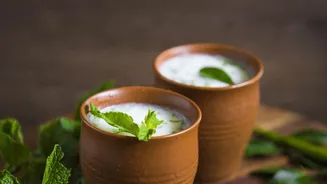
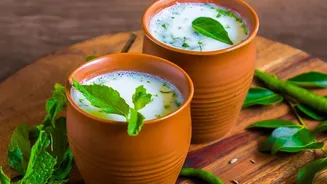
Travel to the coastal regions of Goa, Maharashtra, and Karnataka, and you'll find Sol Kadhi. This delicate, pink-hued drink is made from coconut milk and the sour fruit kokum (Garcinia indica). Traditionally served as a digestive after a spicy meal or with rice, Sol Kadhi is revered for its cooling properties. Unlike the sharp taste of Kanji, Sol Kadhi is creamy and tangy, designed to soothe the digestive system. Its ingredients are packed with antioxidants and have been valued in Ayurvedic practices for their ability to combat acidity and cool the body.
The Gut Health Connection
The primary driver behind the resurgence of these drinks is the growing global focus on gut health. Kanji is a natural probiotic, with the fermentation process cultivating beneficial bacteria like Lactobacillus, which are essential for a healthy digestive system. These probiotics can improve digestion, reduce bloating, and enhance nutrient absorption. Sol Kadhi, while not fermented in the same way, is an excellent digestive aid that soothes the stomach lining and prevents acidity. The kokum fruit itself has anti-inflammatory and antioxidant properties, while coconut milk provides healthy fats and helps with hydration.
Why Are They Trending Now?
Several factors have aligned to bring Kanji and Sol Kadhi into the modern spotlight. The post-pandemic era has seen a heightened focus on immunity and natural wellness solutions, and both drinks fit this narrative perfectly. There is also a cultural renaissance of sorts, with a renewed interest in regional Indian cuisines and 'roots cooking'. People are looking beyond generic options and embracing the authenticity of traditional recipes. Furthermore, their vibrant, Instagram-worthy colours don't hurt. Cafes have found that these beverages are not only healthy but also visually appealing, making them a hit on social media and introducing them to a younger, health-conscious demographic.