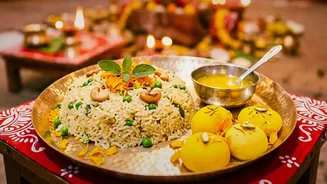


The Thali: A Royal Welcome on a Plate
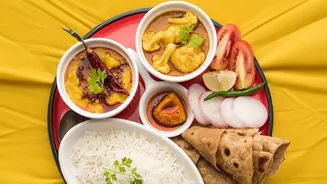
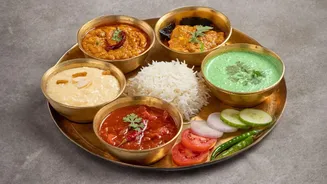
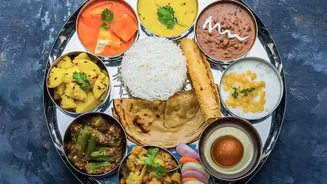
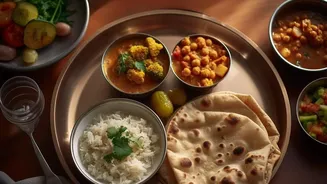
A Rajasthani thali is more than a meal; it's a grand culinary ceremony. Historically, the region's cuisine was shaped by its arid climate and the lifestyle of its inhabitants. Limited fresh produce led to the ingenious use of lentils, dried beans, gram
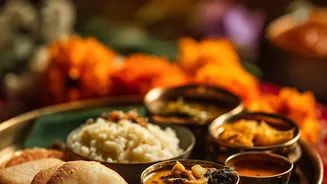
flour, and an array of spices that could be stored for long periods. The thali brings these elements together in a dazzling display of colours, textures, and flavours. It represents a balanced meal, with small bowls (katoris) filled with everything from spicy curries to cooling buttermilk, surrounding a variety of Indian breads and rice. This tradition of elaborate meals was also a way for royal courts to showcase their wealth and impress guests, cementing food as a cornerstone of hospitality in the region.
The Unforgettable Trio: Dal, Baati, Churma
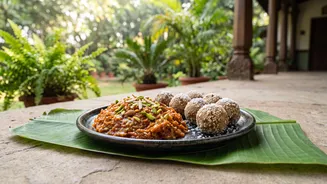
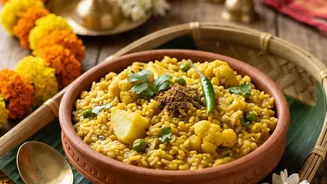
At the heart of any authentic Rajasthani thali lies the iconic trio of Dal, Baati, and Churma. Baati are hard, unleavened wheat rolls that are traditionally roasted over charcoal, giving them a crisp exterior and a soft, fluffy inside. They are meant to be broken up and drenched in ghee before being eaten. The dal, a flavourful lentil curry often made from a mix of five different lentils (Panchmel Dal), is the perfect companion. The final component, Churma, is a sweet dish made by crumbling roasted baati and mixing it with ghee, sugar or jaggery, and sometimes nuts. Legend has it that Churma was an accidental creation, when a cook in a Mewari royal kitchen mistakenly poured sugarcane juice over some baatis, creating a softer, sweeter version that became an instant favourite.
A Symphony of Savoury Delights
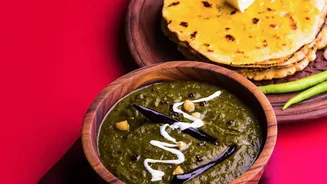
Beyond the central trio, a Rajasthani thali is a vibrant exploration of other regional specialities. One of the most beloved is Gatte ki Sabzi, a curry made from steamed and fried gram flour (besan) dumplings simmered in a tangy yoghurt-based gravy. Another unique dish is Ker Sangri, a subzi made from dried desert beans and berries foraged from the arid landscape, offering a tangy and spicy flavour profile that is quintessentially Rajasthani. These curries are served alongside breads like Bajre ki Roti (millet flatbread) or fluffy puris, and often accompanied by pungent garlic chutney, crunchy papad, and a refreshing glass of chaas (buttermilk) to balance the richness of the meal.
The Sweet Surrender: A Tour of Rajasthani Meetha
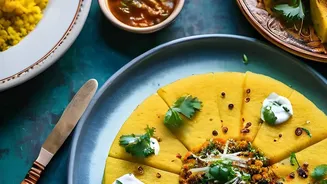
In Rajasthan, sweets are not just an afterthought; they are often served alongside the main course. The state’s confectionery is as famous as its savoury food, with many sweets prepared in pure desi ghee and loaded with nuts. Perhaps the most spectacular is Ghevar, a disc-shaped sweet with a honeycomb texture, made from flour and ghee and soaked in sugar syrup. It is especially popular during the monsoon festival of Teej. Another Jodhpuri speciality is Mawa Kachori, a flaky pastry filled with sweetened khoya (milk solids) and nuts, then dipped in syrup. Other must-try sweets include the decadent Moong Dal Halwa, the doughnut-like Balushahi, and rich, milk-based Kalakand.
The Culture of 'Manuhar'
To truly understand Rajasthani hospitality, one must experience 'Manuhar'. This local term describes the affectionate and persistent requests from a host urging their guest to eat more. It is a gesture of love and respect, reflecting the belief that treating a guest is akin to treating a god. This gentle insistence ensures that no one leaves the table unsatisfied. It transforms the act of eating from a simple necessity into a shared cultural experience, where the host's generosity and the guest's satisfaction are intertwined. This tradition is the soul of Rajasthani dining, making every meal a memorable expression of warmth and connection.