

The Right Pot and Soil
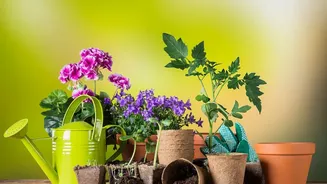
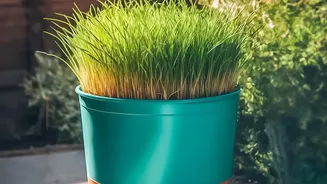
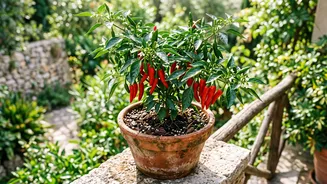
Success starts from the ground up. Thai chillies, like most pepper varieties, need room for their roots to thrive. Select a pot that is at least 5 gallons (around 12 inches in diameter) to prevent the plant from becoming root-bound, which stunts growth.
Ensure the container has ample drainage holes at the bottom to let excess water escape, as chillies hate 'wet feet' which can lead to root rot. When it comes to soil, don't just use garden dirt. A high-quality, well-draining potting mix is essential. Look for a mix containing organic matter like compost, along with perlite or vermiculite. This combination retains enough moisture while allowing for excellent aeration, creating the perfect environment for a healthy root system. A good start here sets the stage for a strong plant that can support a heavy load of fruit later on.
Mastering Sunlight and Watering
Thai chillies are sun-worshippers. They need at least six hours of direct sunlight each day to produce a bountiful crop. An east or south-facing balcony or patio is ideal. If your plant isn't getting enough light, it may grow tall and 'leggy' with few flowers or fruits. Watering requires a careful balance. The goal is to keep the soil consistently moist but not waterlogged. Check the soil daily, especially during hot weather. A good rule of thumb is to stick your finger about an inch into the soil. If it feels dry, it's time to water. Water thoroughly until you see it running out of the drainage holes, then allow the top layer to dry out before watering again. Container plants dry out much faster than those in the ground, so vigilance is key.
Why Support is Crucial
As your Thai chilli plant matures, it will begin to produce dozens of fruits. While this is exactly what you want, the weight of all those chillies can put a significant strain on the plant's branches. Without support, branches can bend, weaken, and even snap off, especially during windy conditions or while moving the pot. This not only results in a loss of potential harvest but also creates open wounds on the plant that can be susceptible to disease. Providing support early on helps the plant develop a strong central structure, improves air circulation around the leaves (reducing the risk of fungal issues), and ensures the branches can handle the weight of a heavy yield. It's a simple, proactive step that pays dividends.
Simple Staking and Caging Methods
Supporting a potted chilli plant is straightforward. The two most common methods are staking and caging. For staking, insert a thin but sturdy stake—like a bamboo cane or a coated metal rod—into the soil a few inches away from the plant's main stem. It's best to do this when you first pot the plant to avoid damaging the roots later. As the plant grows taller, use soft plant ties or garden twine to loosely secure the main stem to the stake at various points. Don't tie it too tightly, as the stem needs room to expand. Alternatively, a small, circular tomato cage works wonderfully for chilli plants. Simply place the cage over the young plant, pushing its legs into the soil. As the plant grows, its branches will naturally rest on the cage's rings, providing all-around support without the need for tying.
Pruning for a Stronger Plant
Strategic pruning can encourage your Thai chilli to grow into a bushier, more robust plant rather than a tall, spindly one. When the plant is about 6-8 inches tall and has a few sets of leaves, you can 'top' it by pinching or snipping off the very top growth tip. This encourages the plant to send out side shoots from the nodes below, creating a fuller shape with more branches for future fruit. A bushier plant is often stronger and can distribute the weight of its fruit more evenly. You can also prune any low-hanging branches or leaves that are touching the soil. This improves air circulation and helps prevent soil-borne diseases from splashing onto the foliage when you water.
Fueling for Fruit Production
The nutrients in potting soil are finite. To keep your chilli plant productive all season long, you'll need to provide supplemental feeding. Start fertilising once the plant begins to set its first flowers. A balanced liquid fertiliser formulated for tomatoes or vegetables is a great choice. Look for one that is higher in phosphorus and potassium, as these nutrients support flowering and fruiting. Too much nitrogen encourages leafy growth at the expense of peppers. Follow the package instructions, typically feeding the plant every two to four weeks during the growing season. Consistent feeding provides the necessary energy for the plant to not only grow strong but also to produce a continuous and abundant harvest of spicy Thai chillies.