

The Great Indian Protein Paradox
For generations, we've believed in the wholesome goodness of our home-cooked meals. A standard Indian plate of dal, roti, sabzi, and rice feels complete and nourishing. Yet, a startling number of studies and surveys reveal a different story. According
to some reports, over 70% of Indians may be consuming inadequate protein, and a vast majority are unaware of their daily protein requirements. This discrepancy is the heart of the protein paradox: our diets are rich in variety, but they are often dominated by carbohydrates like rice and wheat, with protein sources playing a much smaller role. A typical vegetarian meal, for instance, might only provide 10-15 grams of protein, falling significantly short of the daily need.
How Much Protein Do We Really Need?
The conversation starts with understanding the requirement. The Indian Council of Medical Research (ICMR) recommends about 0.83 grams of protein per kilogram of body weight for a sedentary adult. For a person weighing 60 kilograms, this translates to roughly 50 grams of protein daily. However, this is a baseline to prevent deficiency. Active individuals, pregnant women, and the elderly need more. The "protein gap" is the difference between this required amount and what's actually consumed. Studies show that the average intake is often closer to 0.6 grams per kilogram of body weight, creating a chronic deficit that impacts everything from energy levels and immunity to muscle health and metabolism.
Beyond the Bowl of Dal
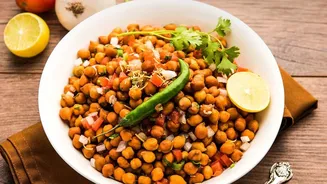
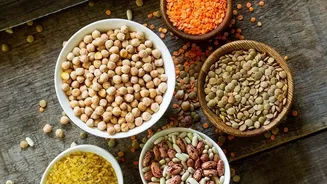
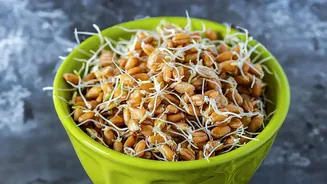
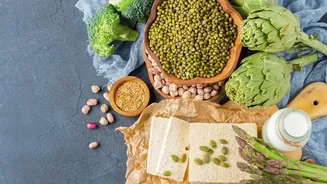
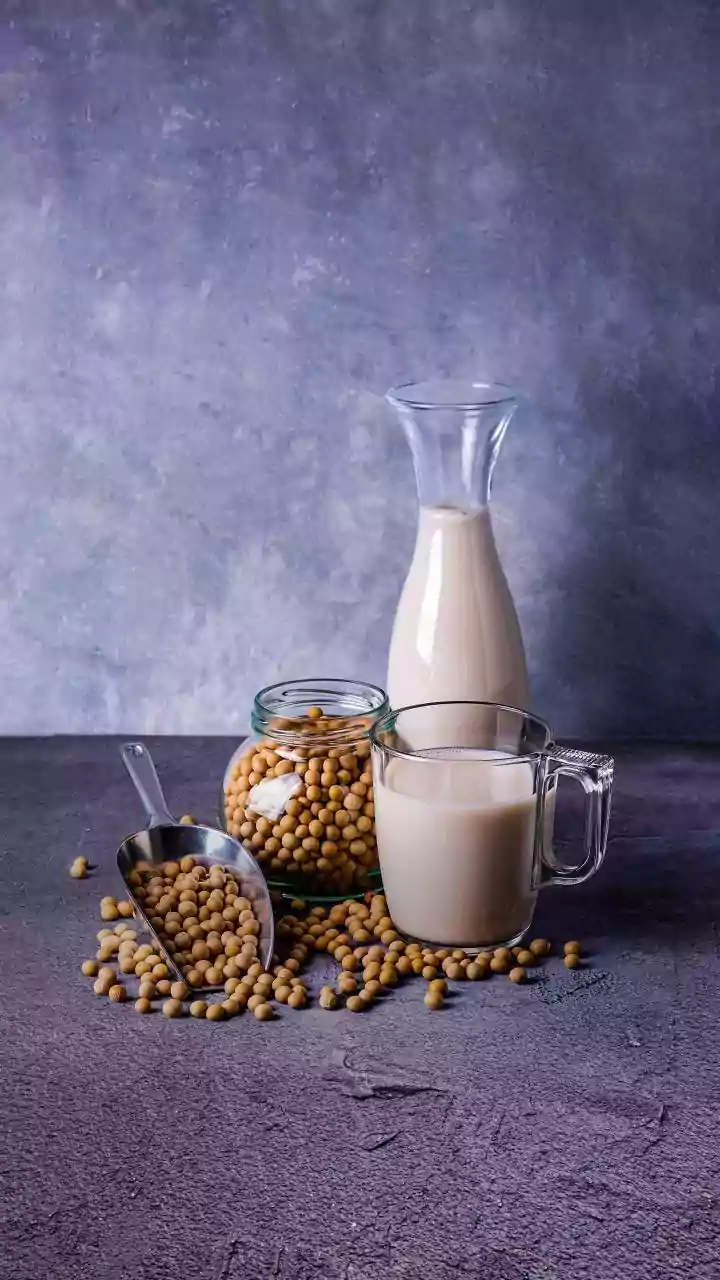
Dal is the undisputed protein staple in most Indian households, but relying on it alone is a common mistake. A single serving of dal, while healthy, is not enough to bridge the protein gap. The new nutritional focus rightly encourages diversifying our protein sources. For vegetarians, this means consciously including more legumes like chickpeas (chana) and kidney beans (rajma), dairy products like paneer and Greek yogurt (hung curd), and soy products like tofu. Nuts and seeds such as almonds, walnuts, and pumpkin seeds are also excellent, easy additions to any diet. A sprouted moong salad, for example, can offer nearly 24 grams of protein, while a palak tofu curry provides around 16 grams.
The Quality of Protein Matters
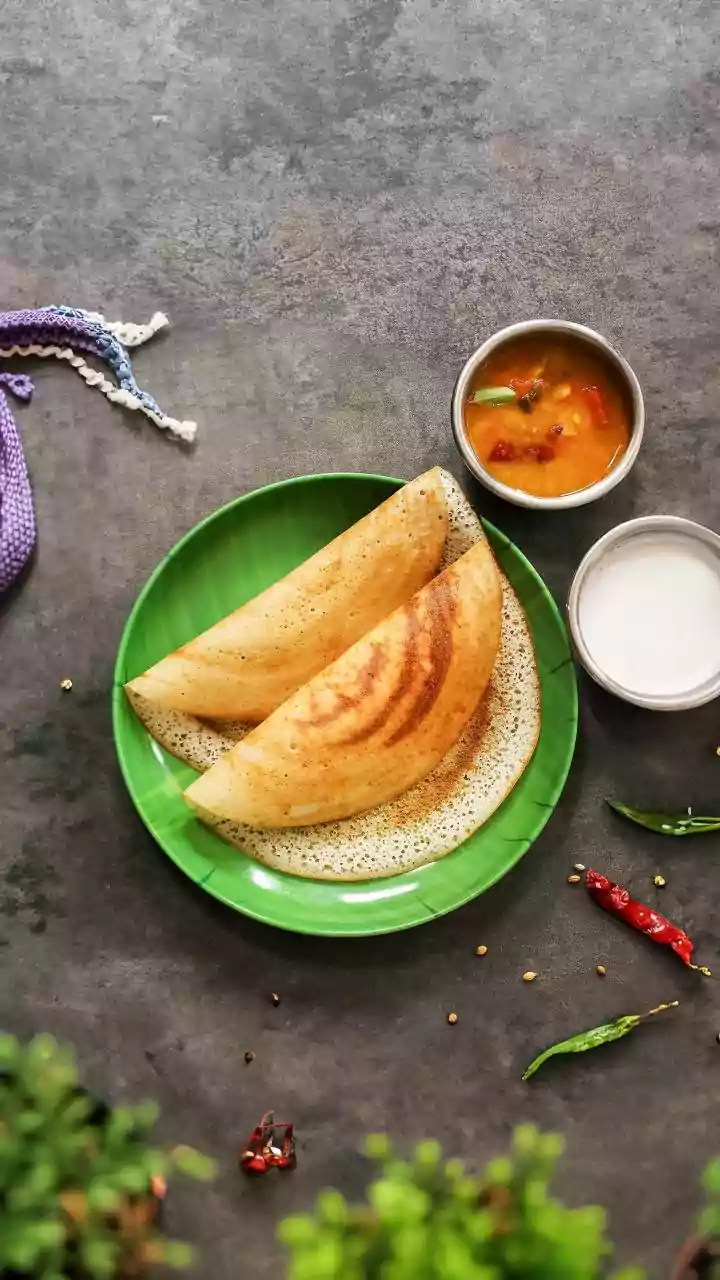
The new focus also highlights the importance of protein quality. Proteins are made of amino acids, nine of which are "essential" because our bodies cannot produce them. Most animal-based proteins like eggs and dairy are "complete," meaning they contain all nine essential amino acids. Most plant-based sources, however, are "incomplete." But Indian culinary wisdom has an inbuilt solution: food combining. The classic pairing of dal (rich in the amino acid lysine) with rice (rich in methionine) creates a complete protein profile. Similarly, combinations like roti with dal or idli (made from rice and urad dal) are designed to provide a full spectrum of amino acids, a concept modern nutrition is re-emphasizing.
Making Smart, Simple Swaps
Bridging the protein gap doesn't require a radical diet overhaul or expensive supplements. It’s about making small, intelligent adjustments to the meals we already love. Start by increasing the portion size of your dal, chana, or rajma relative to rice or roti. Incorporate paneer or tofu into your sabzis more frequently. Snack on a handful of roasted chana or peanuts instead of carbohydrate-heavy options. Adding a bowl of curd to your lunch, sprinkling seeds on your salad, or choosing a moong dal chilla for breakfast are simple yet effective ways to significantly boost your daily protein intake without sacrificing taste or tradition.