







The Wisdom of Eating Seasonally
Following nature's clock for your meals is a tradition our grandparents swore by, and for good reason. Seasonal produce is at its peak in terms of flavour and nutritional content. When fruits and vegetables are harvested at their natural time, they are fresher,
taste better, and are often bursting with the vitamins and minerals our bodies need for that specific time of year. For example, hydrating fruits like watermelon become abundant in the hot summers, while nutrient-dense root vegetables and leafy greens arrive to keep us warm and nourished in winter. Beyond the health benefits, seasonal eating is also kinder to your wallet. When produce is in abundance, its price naturally drops, making it more accessible. It also supports local farmers and reduces the environmental footprint associated with storing and transporting food over long distances.
Summer’s Bounty: Cool and Refreshing
Indian summers are synonymous with the arrival of the 'king of fruits'—the mango. From the sweet pulp of ripe mangoes used in smoothies and desserts to the tangy raw mangoes that make for a zesty dal or chutney, this fruit is incredibly versatile. But summer offers more than just mangoes. It’s the season for hydrating wonders like watermelon, muskmelon, and cooling cucumbers. Gourds like lauki (bottle gourd) and turai (ridge gourd) are light on the stomach and perfect for simple, cooling curries. A classic summer meal might feature a refreshing cucumber salad, a light lauki curry, and a glass of aam panna, a tangy drink made from raw mangoes that is renowned for its ability to combat the intense heat.
Monsoon Marvels: Earthy and Comforting
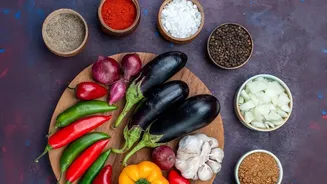
The arrival of the rains brings a welcome respite from the heat and a whole new array of produce. This is the prime time for corn, or bhutta, roasted over coals and seasoned with lemon and salt—a quintessential monsoon snack. The humid weather is perfect for a variety of gourds like karela (bitter gourd) and turai (ridge gourd), as well as vegetables like bhindi (okra) and brinjal (eggplant). The monsoon also brings unique fruits like jamun (Indian blackberry) and peaches. A comforting monsoon plate could consist of hot bhindi masala, steamed rice, and a simple dal. It's advisable to be cautious with leafy greens during this season unless they are thoroughly washed and cooked, as the damp conditions can make them prone to carrying more germs.
Winter Warmers: Hearty and Nourishing
Winter is the season for robust, warming foods. The markets are flooded with a spectacular variety of leafy greens like spinach (palak), fenugreek (methi), and mustard greens (sarson). This is the time to indulge in classics like Sarson ka Saag with Makki di Roti. Root vegetables like carrots, beets, and radishes are also at their sweetest and most flavourful. Carrots, in particular, signal the arrival of another beloved winter delicacy: Gajar ka Halwa. Aloo Methi, a simple stir-fry of potatoes and fenugreek leaves, and hearty lentil soups like Dal Palak are other popular dishes that provide warmth and are packed with nutrients. Citrus fruits like oranges are also abundant, providing a much-needed dose of Vitamin C.
Navigating the Market Like a Pro
Making the most of seasonal ingredients starts with selecting the best produce. When at the market, engage your senses. Look for vibrant colours and avoid anything with significant bruising or blemishes. Fresh vegetables should feel firm and heavy for their size. For leafy greens like spinach or methi, look for crisp, unwilted leaves. With vegetables like cauliflower, check for a creamy white colour and tightly packed florets. To test the freshness of bhindi (okra), try snapping the tip; if it breaks cleanly, it's fresh. Don’t hesitate to talk to the vendors. They are often a great source of information about what is freshest and at its peak season. Building this habit not only ensures you bring home the best ingredients but also connects you more deeply to the food you eat.