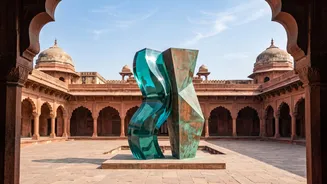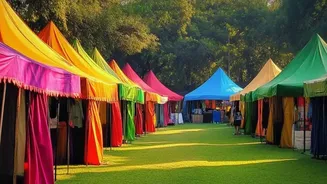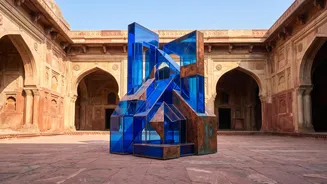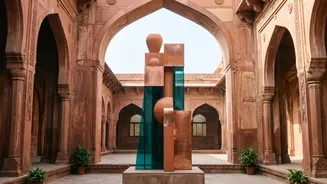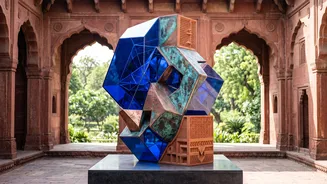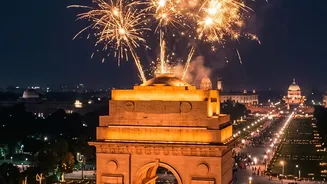


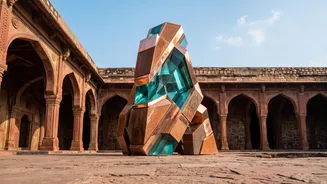

This December, Delhi is transforming. The capital is gearing up for the second edition of the India Art, Architecture and Design Biennale (IAADB), a monumental 108-day event set to turn the city's most iconic heritage sites into living art spaces.
A City-Wide Cultural Canvas
Forget
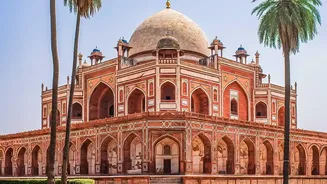
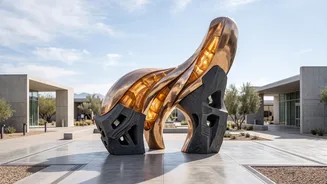
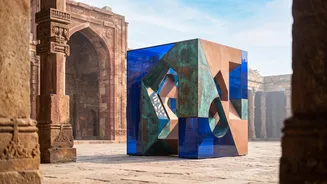
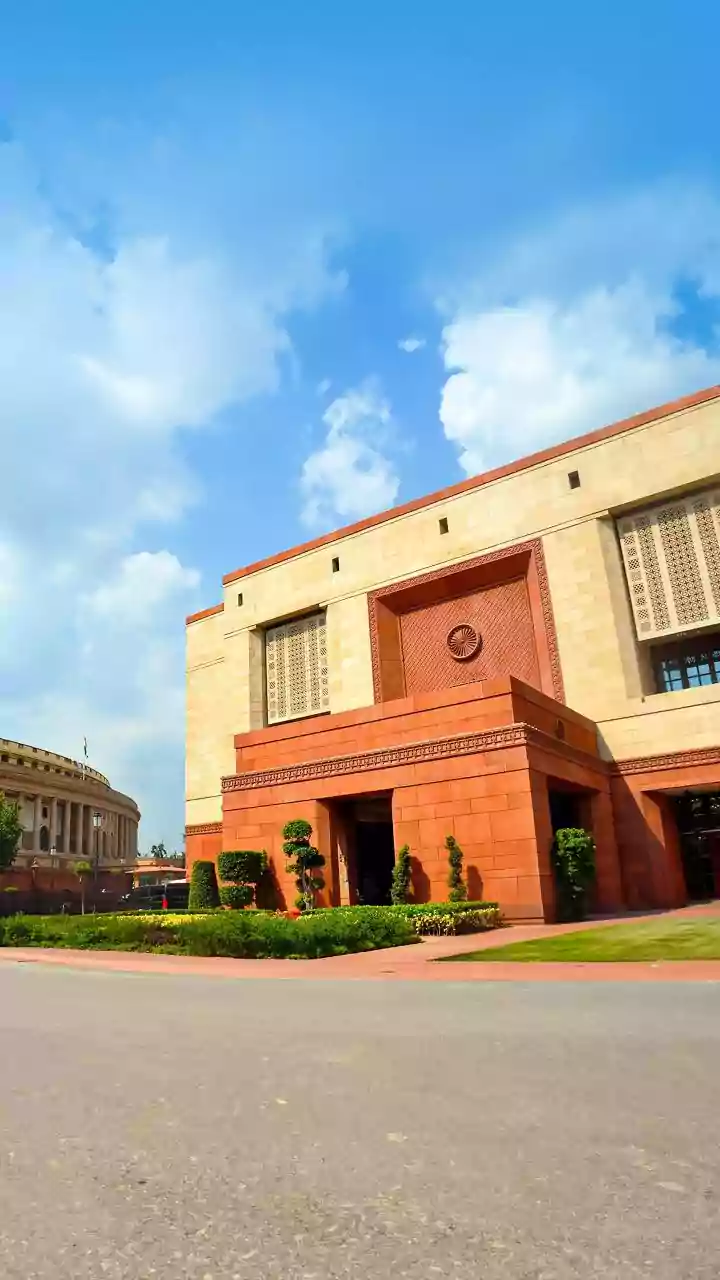
containing art within four walls. The second India Art, Architecture and Design Biennale, organised by the Ministry of Culture, will unfold across the capital from December 4, 2026, to March 21, 2027. This edition expands dramatically from the first event held at the Red Fort in 2023. This time, Delhi itself becomes the gallery. Iconic locations including Purana Qila, Qutub Minar, Safdarjung’s Tomb, Lodhi Garden, and Humayun's Tomb will serve as backdrops for contemporary art, design, and architectural installations. The vision is to create a seamless cultural ecosystem where modern creativity engages directly with centuries of history, positioning Delhi as a major global hub for artistic dialogue. With Purana Qila as the principal venue, the biennale aims to weave together the city's monuments, museums, and public spaces into one grand narrative.
The Theme: 'Tat Tvam Asi'
The guiding philosophy for the 2026 biennale is 'Tat Tvam Asi', an Upanishadic insight that translates to 'You Are That'. The theme, subtitled 'Reconnecting in an Age of Distraction', invites artists and visitors alike to reflect on the deep interconnectedness between the self, the community, and the environment. In a world of constant digital noise, the biennale aims to create experiences that slow the eye, restore attention, and encourage a more profound engagement with our surroundings. The curatorial framework is built on four pillars: Reflection, Rejuvenation, Renewal, and Resilience. Artists are encouraged to use all forms of creative expression, from traditional handicrafts to immersive digital media, not as distractions but as tools to foster wonder and presence.
What to Expect at the Venues
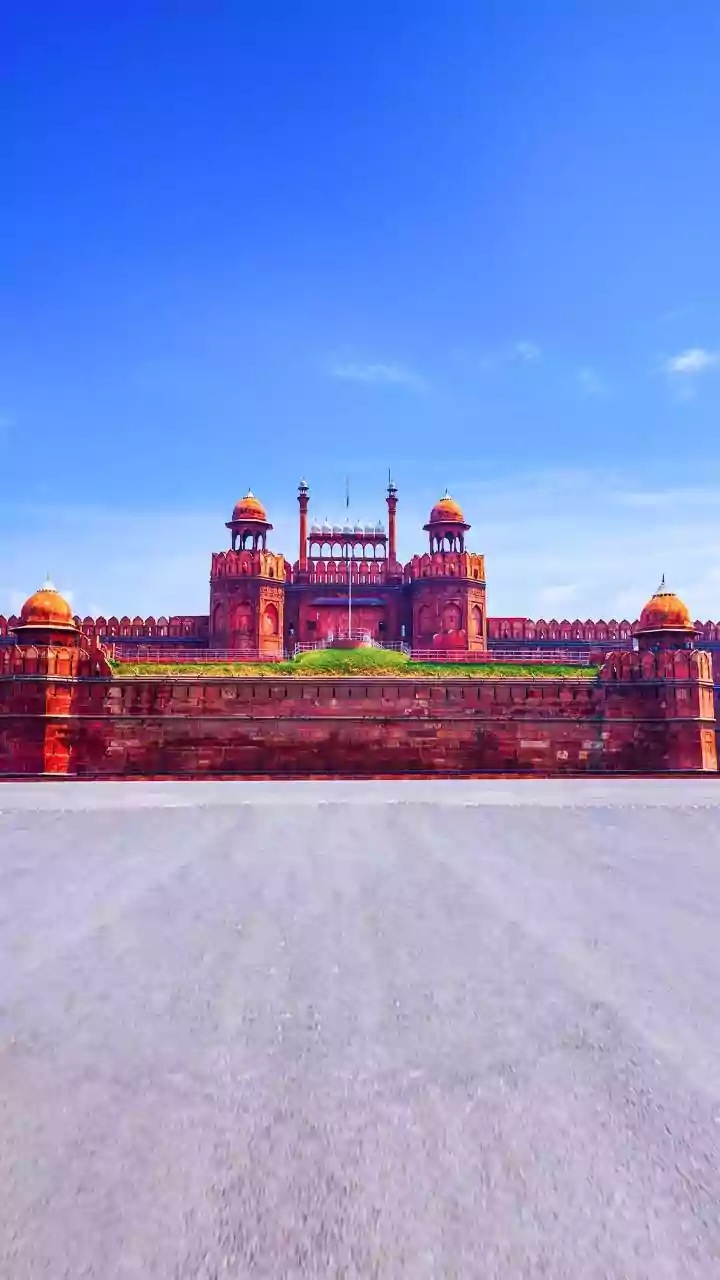
The scale of the event is immense, with a diverse range of experiences planned across the city. Purana Qila will be the festival's hub, hosting large-scale installations and international pavilions. Other heritage sites will feature unique, site-specific works. For instance, Qutub Minar will be the backdrop for a creation by Paresh Maity and Ritu Beri, while the Mehrauli Archaeological Park will host an exhibition titled 'Shehr Mehrauli: Where Memory Meets Water'. The Red Fort will feature historic narrative scrolls. The biennale is a public-private partnership involving participation from over 20 countries, including France, Italy, and Switzerland, alongside major Indian cultural institutions like the Kiran Nadar Museum of Art and the Nita Mukesh Ambani Cultural Centre. This collaboration promises a rich variety of global and local perspectives.
Building on a Global Stage
The IAADB is part of a larger push to position India's cultural prowess on the world stage, drawing inspiration from renowned events like the Venice Biennale. In fact, the Delhi event builds on the momentum of India's participation in the 61st Venice Art Biennale, where the national pavilion was curated around the theme of 'home' and featured artists working with traditional, organic materials. By hosting its own large-scale biennale, the Ministry of Culture aims to foster a vibrant creative economy and use cultural diplomacy as a form of soft power. The event is also designed to be inclusive, with a special focus on involving students of art and design, providing them with invaluable opportunities to engage with the professional creative ecosystem. A dedicated Student Biennale, Samunnati, was a key parallel event during the first edition and highlights the commitment to nurturing future talent.