





A Radical Plan to Cool the Earth
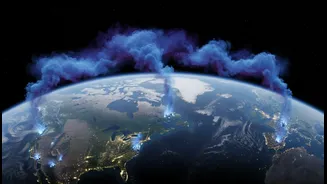
The technology at the heart of this debate is a form of geoengineering known as Solar Radiation Management (SRM). The most discussed method involves spraying tiny reflective particles, or aerosols, into the stratosphere to mimic the cooling effect of a large
volcanic eruption. By reflecting a small fraction of sunlight back into space, the theory goes, we could rapidly lower global temperatures. Proponents see this as a potential emergency brake as climate change impacts like extreme heatwaves and storms become more severe and global efforts to cut emissions fall short. It’s presented not as a replacement for reducing greenhouse gases, but as a supplementary tool to buy more time.
The Catalogue of Unknown Dangers
The primary reason for scientific caution is the vast array of poorly understood and potentially severe risks. One of the biggest fears is the disruption of global weather patterns. Models suggest that while SRM might cool the planet overall, it could drastically alter rainfall, potentially weakening the vital Asian and African monsoons that billions of people rely on for agriculture. There are also concerns about potential damage to the ozone layer and unpredictable effects on ecosystems, which are sensitive to changes in the type and amount of sunlight they receive. Because SRM doesn’t remove carbon dioxide from the atmosphere, it would do nothing to stop ocean acidification, another major consequence of our emissions.
The Threat of Termination Shock
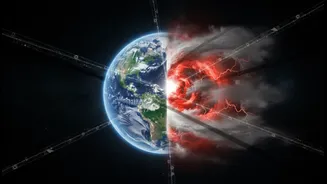
Perhaps the most dramatic risk is what scientists call “termination shock.” Because the reflective particles would fall out of the atmosphere within a couple of years, an SRM program would need to be continuously maintained for decades, or even centuries, to mask the warming from accumulated greenhouse gases. If the program were ever stopped abruptly—due to political conflict, disaster, or economic collapse—the planet would experience a sudden and catastrophic temperature spike. This rapid warming would be far faster than what we are experiencing now, giving ecosystems and human societies almost no time to adapt.
A World Divided by Technology
Beyond the environmental risks, solar geoengineering raises complex geopolitical questions. Who would control the planet's thermostat? Deployment by a single nation or a coalition could have unintended consequences for others, leading to droughts or floods across borders and potentially sparking international conflict. There is currently no international agreement governing the research or potential deployment of this technology. This lack of governance leads to fears of “rogue actors” or billionaires taking matters into their own hands. Many scientists and governance experts argue that the current global system is unfit to manage such a powerful and planet-altering technology fairly and safely.
A Call for a Moratorium
In response to these profound risks and governance challenges, hundreds of scientists and academics from around the world have called for an International Non-Use Agreement on Solar Geoengineering. This proposed agreement would ban national funding for the development of these technologies, prohibit outdoor experiments, and prevent the granting of patents. The signatories argue that even the prospect of a future techno-fix could weaken the global resolve to cut fossil fuel emissions—the only permanent solution to the climate crisis. The call is not to halt all inquiry, but to prevent a premature rush toward deployment and to ensure that political control is established before the technology develops further.