






Prioritise Proper Ventilation
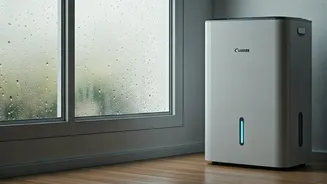
Stagnant air is a major cause of humidity buildup. One of the most effective and free ways to combat moisture is to improve air circulation. Try to open windows and doors for at least 15-20 minutes daily, especially on dry, sunny days, to create cross-ventilation.
This simple habit helps push damp air out and lets fresh air in, preventing moisture from settling on walls and furniture. In areas like kitchens and bathrooms, always use the exhaust fan during and after activities like cooking or showering to expel steam and moisture immediately.
Embrace Natural Dehumidifiers
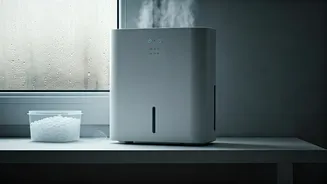
You don't always need expensive gadgets to fight dampness. Several common household items work as excellent, budget-friendly moisture absorbers. Place bowls of rock salt or charcoal briquettes in damp corners, cupboards, or under sinks. They naturally draw moisture from the air. Baking soda is another great option for smaller enclosed spaces like wardrobes and shoe racks; it absorbs moisture and helps neutralise musty odours. Remember to replace these materials every few weeks as they become saturated.
Inspect for and Seal Leaks
Persistent dampness can often be traced back to a hidden source of water. Mould can begin to grow on a wet surface within just 24 to 48 hours. Regularly inspect your home for any signs of water intrusion. This includes checking for leaky pipes under sinks, cracks in external walls, or a compromised roof. Pay close attention to window sills and door frames, ensuring they are properly sealed. Addressing a small leak promptly can prevent widespread moisture damage and costly repairs down the line.
Let the Sunshine In
Sunlight is a powerful, natural disinfectant and dehumidifier. Whenever possible, pull back the curtains and let direct sunlight into your rooms. The sun's UV rays can help kill mould spores and bacteria, while the warmth helps to dry out any lingering dampness on surfaces and in the air. This is especially important for items like rugs, cushions, and mattresses, which can be sun-dried periodically to keep them fresh and free from moisture buildup.
Manage Wardrobe and Storage Dampness
Cupboards and wardrobes are often hotspots for moisture and mould, leading to damaged clothes and a persistent musty smell. To protect your belongings, ensure clothes are completely dry before storing them. Avoid over-packing wardrobes to allow air to circulate between items. You can place moisture absorbers like silica gel packs or camphor balls inside. Leaving wardrobe doors slightly ajar at night or placing a small, portable fan nearby can also significantly improve airflow and prevent dampness.
Use Humidity-Absorbing Plants
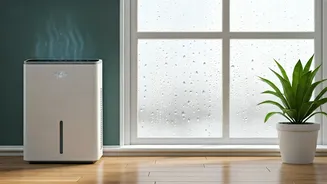
While some indoor plants add humidity to the air, others do the opposite. Certain houseplants naturally absorb moisture through their leaves, helping to regulate the humidity in a room. Consider adding plants like the Peace Lily, Spider Plant, Snake Plant, or English Ivy to your home décor. Not only do they help combat dampness, but they also purify the air, adding a touch of green to your living space. Just be careful not to overwater them, as that can contribute to the problem you're trying to solve.