






Safety First: The Immediate Action List
Certain home repairs are non-negotiable and demand immediate attention because they pose a direct threat to your family's health and the structural integrity of your home. These are the issues that cannot wait for a more convenient time or a better budget.
Think of issues like gas leaks, faulty or sparking electrical wiring, major water leaks, and significant structural cracks in walls or foundations. Ignoring these can lead to catastrophic outcomes, including fires, health hazards from mould, or even structural collapse. For instance, the smell of LPG or the sight of a growing, dark patch of damp on a ceiling should trigger an immediate call to a professional. Similarly, any cracks in walls that are wider than a quarter of an inch, especially horizontal or stair-step cracks, may indicate serious foundation movement and require an expert evaluation without delay. These repairs aren't about aesthetics or convenience; they are about keeping your home a safe sanctuary.
Function and Use: The Quality-of-Life Fixes
This category includes repairs that affect the day-to-day usability and comfort of your home. While not immediate emergencies, delaying them can cause significant inconvenience, lead to bigger problems, or waste resources. A constantly dripping tap, for example, is not just annoying but can waste a surprising amount of water and money over time. A malfunctioning air conditioner during a hot Indian summer, a broken cabinet door in the kitchen, or a toilet that runs continuously all fall into this bracket. The timeline for these repairs is 'as soon as practically possible.' While you might be able to live with a squeaky door for a few weeks, a broken water heater needs a quicker solution. Addressing these functional issues promptly prevents them from escalating. That minor leak under the sink could eventually warp cabinetry and lead to mould, turning a simple plumbing fix into a more complex and expensive job.
Appearance and Aesthetics: Plan for These Projects
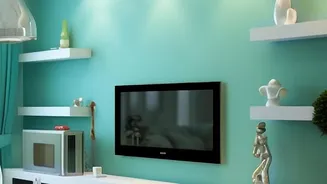
Cosmetic repairs are those that impact the look and feel of your home but not its core safety or functionality. This includes things like scuffed paint, chipped tiles, faded curtains, or outdated light fixtures. The timeline for these repairs is entirely flexible, guided by your personal preference, time, and budget. These are the 'nice-to-have' upgrades that you can plan for methodically. You can schedule to repaint a room during a holiday, or save up for that new backsplash you've been dreaming of. There is no urgency here, which allows for careful planning and budgeting. However, it's important to distinguish purely cosmetic issues from those that might signal a deeper problem. For example, a hairline crack in the plaster might be purely cosmetic, but if it keeps reappearing or growing, it could be a sign of underlying structural movement that needs investigating.
Budgeting for the Inevitable
Regardless of the timeline, home repairs cost money, and the best ones are those you're financially prepared for. Financial experts often recommend the '1% rule' as a starting point for budgeting. This suggests setting aside 1% to 4% of your home's value each year for maintenance and repairs. For a home valued at ₹50 lakh, this would mean budgeting between ₹50,000 and ₹2,00,000 annually. This fund isn't just for emergencies; it covers routine servicing of appliances, pre-monsoon waterproofing, and other preventative tasks that extend the life of your home and its systems. Creating a separate savings account for home maintenance and setting up automatic monthly transfers can make this process painless. This proactive approach ensures you have the funds ready when a safety issue arises, without having to dip into emergency savings or take on debt for an unexpected but necessary repair.