






Understanding the Pilgrimage
The Amarnath Yatra is an annual pilgrimage to the Amarnath cave, a Hindu shrine located in Jammu and Kashmir, situated at an altitude of 3,888 metres. The cave is famous for the natural formation of an ice stalagmite, or Lingam, which devotees worship
as a manifestation of Lord Shiva. The pilgrimage is a test of faith and endurance, taking devotees through the stunning but challenging terrain of the Himalayas. According to tradition, this is the cave where Lord Shiva explained the secret of life and eternity to his divine consort, Goddess Parvati. The yatra typically takes place during the summer months of July and August.
Registration and Permits
Undertaking the yatra is not possible without prior registration. The Shri Amarnathji Shrine Board (SASB) manages the process, which can be done both online via the official website (jksasb.nic.in) and offline through designated bank branches. The registration for the 2026 yatra is expected to open around mid-April. Pilgrims must be between the ages of 13 and 70. A Yatra Permit is issued upon successful registration, and it is mandatory to collect a Radio Frequency Identification (RFID) card before starting the trek. This card is crucial for your safety and tracking throughout the journey.
Health and Fitness Are Non-Negotiable
The high altitude and demanding trek require pilgrims to be physically fit. A Compulsory Health Certificate (CHC) from a doctor or medical facility authorised by the SASB is mandatory for registration. The certificate confirms your fitness for the high-altitude journey. It is highly advisable to prepare your body at least a month in advance by walking 4-5 km daily, practising deep breathing exercises, and doing yoga to improve oxygen efficiency. Women who are more than six weeks pregnant are not permitted to undertake the pilgrimage.
Choosing Your Path: Pahalgam vs. Baltal
There are two primary routes to the holy cave: the traditional Pahalgam route and the shorter Baltal route. The Pahalgam Route is the more traditional and scenic path. It is longer, spanning approximately 45-48 km, and usually takes 3-5 days to complete on foot. The ascent is more gradual, making it a better choice for first-timers, families, and those who wish to soak in the natural beauty of stops like Sheshnag and Panchtarni. The Baltal Route is much shorter at around 14 km but is significantly steeper and more challenging. Physically fit pilgrims who are short on time often prefer this route, as the trek to the cave and back can be completed in 1-2 days. Helicopter services are also available on both routes to Panchtarni, from where the cave is a shorter trek away.
What to Pack for the Journey
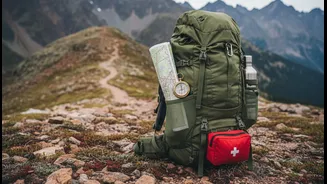
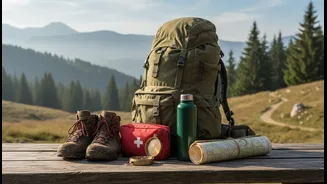
Packing correctly is essential for a safe and comfortable yatra. The weather is unpredictable and can change suddenly. Key items include multiple layers of warm clothing, a waterproof jacket and pants, and waterproof trekking shoes with good grip. Also pack woollen socks, gloves, and a cap. Carry a small backpack with essentials like a water bottle, high-energy snacks (dry fruits, chocolates), a first-aid kit with your personal medications, and sunscreen. A walking stick can provide crucial support on the trek. Do not wear a sari, as it is difficult to trek in; a salwar kameez or tracksuit is more appropriate.
Accommodation and Facilities on the Route
The SASB and various NGOs set up basic tented accommodations at base camps and key points along both routes, such as Nunwan, Baltal, Sheshnag, and Panchtarni. These are available on a rental basis. Community kitchens, known as 'langars', are also set up along the routes, providing free food and water to the pilgrims. Medical aid posts and oxygen booths are established every few kilometres to handle health emergencies. While facilities are basic, they are designed to support the thousands of devotees who make the journey.
Key Dos and Don'ts
To ensure a safe and respectful pilgrimage, the Shrine Board issues clear guidelines. Always carry your Yatra Permit, RFID card, and a government-issued photo ID. Travel in a group and never attempt to take shortcuts. Stay hydrated by drinking plenty of water and walk at a steady pace, taking breaks to acclimatise. Respect the environment by not littering and avoiding the use of plastics. Do not consume alcohol or other intoxicants. Finally, follow all instructions given by the yatra administration and security forces.