


A Return to Ancient Wisdom
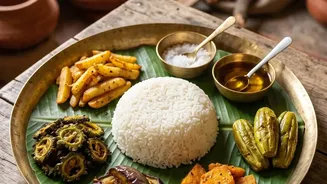
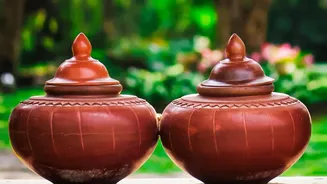
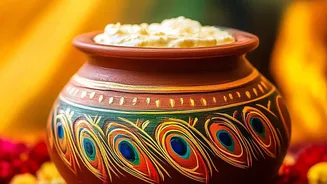
Long before modern non-stick pans and stainless steel, kitchens across India and the world relied on earthenware. From the 'handi' used in the north for slow-cooking biryanis and dals to the 'chatti' popular in Kerala for fragrant fish curries, regional
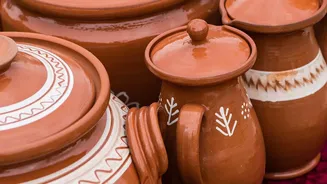
clay pots have been central to our culinary heritage. This return to clay cookware isn't just about nostalgia; it's a rediscovery of a method that is gentle on food and the planet. These pots are crafted from natural clay, often by local artisans carrying on generational skills, making each piece unique and rooted in tradition. By choosing them, home cooks are not only embracing a healthier cooking style but also supporting sustainable, local craftsmanship.
The Science of Gentle Cooking
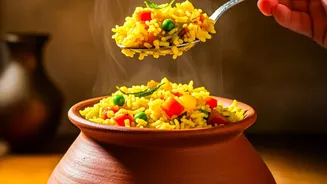
One of the most significant benefits of clay cookware is its ability to preserve the nutritional value of food. Unlike metal pots that heat up quickly and can create hot spots, clay is porous and distributes heat slowly and evenly. This gentle, consistent heat is crucial for preserving delicate, heat-sensitive vitamins and minerals that can be destroyed by high-temperature cooking. The porous nature of the clay also allows it to absorb water, which then turns into steam during cooking. This creates a moist internal environment, essentially self-basting the food. This process not only helps in retaining nutrients but also means you often need less oil, making for healthier meals.
Unlocking Authentic Flavours and Aromas
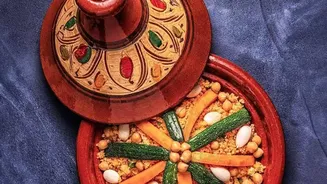
Ask anyone who has eaten a dish prepared in a clay pot, and they will likely mention the incredible depth of flavour. This isn't just imagination. The slow, even cooking process allows ingredients to release their natural flavours gradually without becoming bitter. Furthermore, clay is naturally alkaline. When it interacts with acidic ingredients like tomatoes, it can help neutralize the pH balance, resulting in a milder, naturally sweeter taste. The porous walls of the pot also trap and circulate steam and aromas, infusing the dish with a subtle, earthy fragrance that modern cookware simply cannot replicate. This is why dishes like Dum Biryani and Dal Makhani achieve their signature rich taste when prepared in a traditional handi.
An Earth-Friendly Kitchen Staple
For the eco-conscious cook, the appeal of clay pots goes far beyond the kitchen. Made from natural, raw materials, they are a sustainable alternative to cookware with synthetic, chemical-based coatings, which can degrade and release toxins over time. Clay pots are biodegradable, meaning they can return to the earth without causing pollution. Their durability also means they can last for years with proper care, reducing the consumer waste associated with frequently replacing lower-quality pans. By supporting the production of earthen cookware, consumers also contribute to a circular economy that values traditional, low-impact craftsmanship over mass-produced, disposable goods.
Choosing and Caring For Your Pot
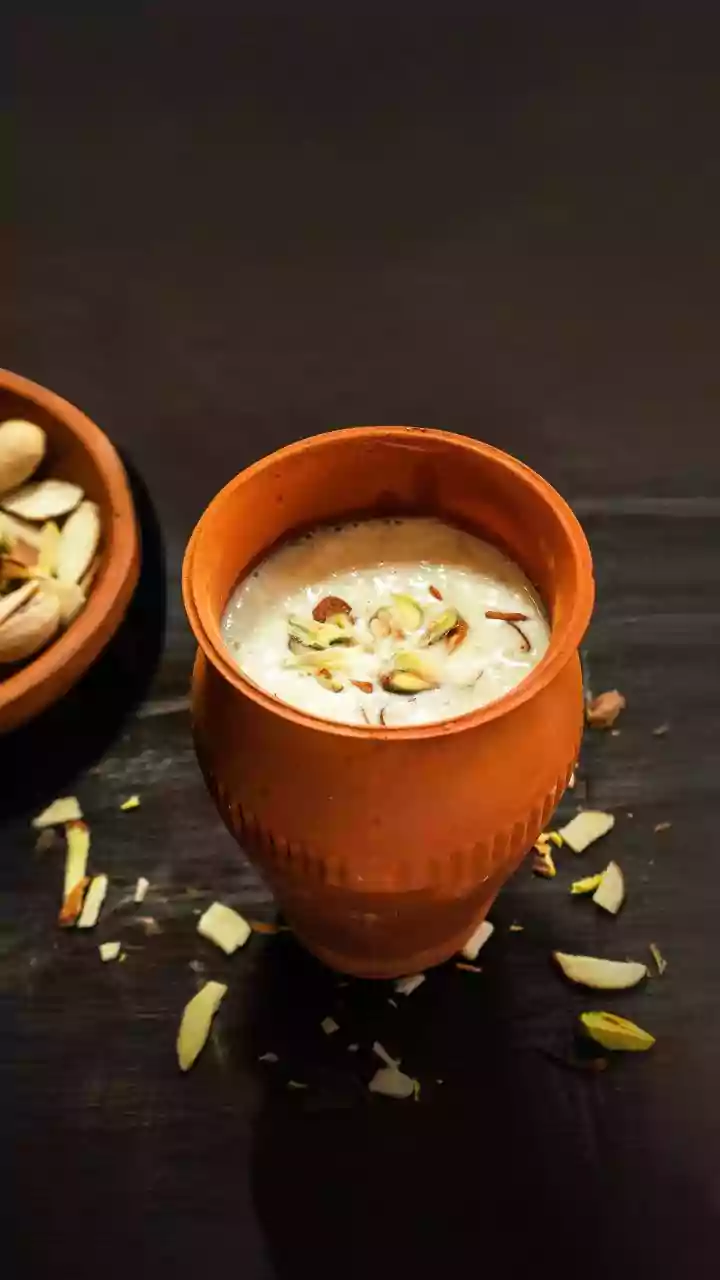
Getting started with clay pot cooking is simple. It's best to season a new, unglazed pot by soaking it in water for several hours, then allowing it to dry completely before its first use. This strengthens the pot and prevents cracking. Some cooks also rub the inside with oil and heat it gently. Cleaning is straightforward: use hot water and a gentle scrub brush. Avoid harsh soaps, as the porous clay can absorb them. While they require a bit more mindful handling than metal—sudden temperature changes can cause cracks—their benefits make them a worthy addition to any kitchen. Whether you are slow-cooking a rich curry, baking bread, or even setting curd, the clay pot proves that sometimes the oldest ways are indeed the wisest.