



A Valuable Asset in Peril
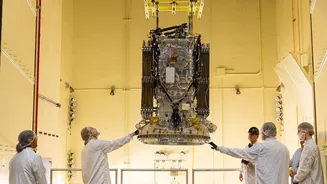
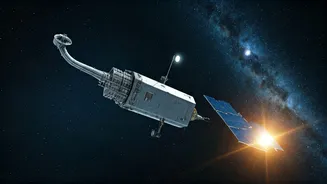
For over two decades, the Neil Gehrels Swift Observatory has been NASA’s cosmic first responder. Launched in 2004, this 1.5-ton space telescope was designed to be a nimble hunter, rapidly swivelling to detect and study some of the universe’s most powerful
and fleeting events: gamma-ray bursts. These colossal explosions, often signaling the birth of a black hole, are crucial to understanding the cosmos. Swift has been instrumental, providing invaluable data to scientists worldwide. But now, this workhorse observatory is in crisis. Its orbit is decaying, dragging it closer to a fiery end in Earth's atmosphere. The culprit is higher-than-expected solar activity, which has caused Earth’s upper atmosphere to expand, creating more drag on the satellite than anticipated. With its demise potentially just months away, NASA was faced with a choice: let it burn, or attempt a rescue.
The Old Way vs. The New Gamble
In the past, servicing a satellite in orbit was a monumental undertaking. The most famous example is the Hubble Space Telescope. Hubble was specifically designed with servicing in mind, featuring handrails and modular parts that astronauts on Space Shuttle missions could repair and upgrade. These missions were heroic, complex, and incredibly expensive, costing hundreds of millions of dollars. The Swift Observatory, however, was never meant to be touched again after its deployment. It has no built-in features for docking or refuelling. Replacing it with a new satellite would be a costly and time-consuming affair. Instead, NASA is taking a gamble on a completely new approach, one that leans on the agility and cost-effectiveness of the commercial space industry.
A Robotic 'Tow Truck' for Space
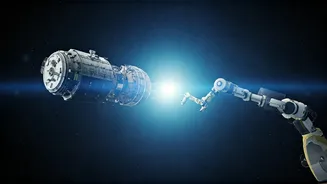
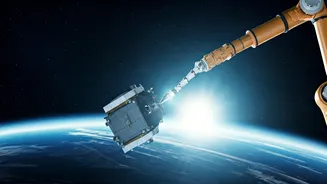
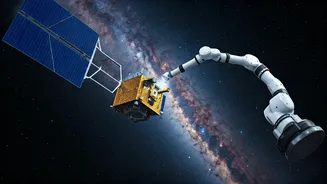
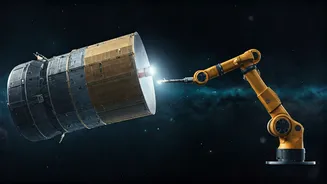
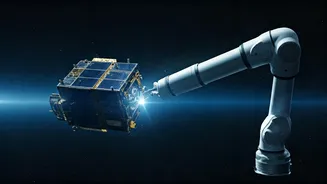
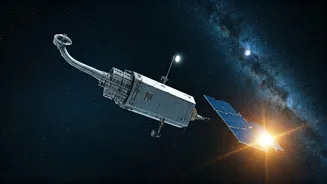
The solution is a first-of-its-kind mission centered around a robotic servicing vehicle named LINK. Developed in under a year by aerospace startup Katalyst Space Technologies for a relatively modest $30 million contract, LINK is essentially a space tow truck. This compact, 400-kilogram spacecraft is designed to launch, rendezvous with Swift, and carefully grab the uncooperative telescope using three robotic arms. Once securely attached, LINK will use its own solar-powered ion thrusters to perform a series of gentle burns over several months. The goal is to slowly and carefully push the Swift observatory into a higher, more stable orbit, effectively giving it a new lease on life and extending its scientific mission for another decade.
A Blueprint for the Future
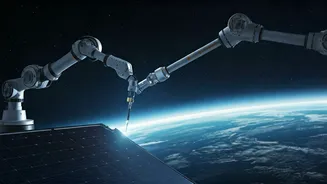
The mission is about much more than just saving one satellite. It represents a potential paradigm shift for the entire space industry. For decades, most satellites have been launched with a single-use mindset: once they run out of fuel or a key component fails, they become expensive space junk. The LINK mission, if successful, will prove that it's possible to service and extend the lives of satellites that were never designed for it. It creates a blueprint for a new commercial market in on-orbit servicing, where robotic vehicles can inspect, repair, relocate, and upgrade existing space assets. This capability could save governments and companies billions of dollars, reduce the growing problem of orbital debris, and make space operations far more sustainable.